How to buy property in Dubai as an overseas investor in 2026
Overseas investors can buy property in Dubai in 2026 by choosing a freehold area, selecting a licensed developer or seller, completing due diligence, signing a sale agreement, and registering the property with the Dubai Land Department, all under a transparent and foreigner-friendly legal framework.
Dubai has firmly established itself as one of the easiest and safest cities in the world for overseas property investment. By 2026, the process of buying property as a non-resident is well-regulated, efficient, and designed to attract global investors. Having observed Dubai’s property market over many years, one thing stands out clearly: the city actively welcomes foreign buyers and provides clear systems to protect their rights.
Why Overseas Investors Choose Dubai in 2026
Dubai continues to attract international investors because it combines strong returns with long-term security. Unlike many global cities, Dubai offers full ownership rights in designated areas and does not impose property taxes that reduce profits.
Some of the main reasons overseas investors choose Dubai include:
- No capital gains tax on property
- No tax on rental income
- Strong legal protection for property ownership
- Stable currency pegged to the US dollar
- High rental demand from a growing population
These advantages make Dubai especially appealing for investors looking to diversify internationally without unnecessary complexity.
Can Overseas Investors Buy Property in Dubai?
Yes, overseas investors can legally buy property in Dubai. Foreign nationals are allowed to purchase freehold properties in designated areas approved by the government. These areas include many of Dubai’s most popular residential communities.
As a foreign buyer, you do not need UAE residency to own property. You can buy as an individual, jointly with another buyer, or through a company structure depending on your investment strategy.
Step 1: Choose the Right Freehold Area
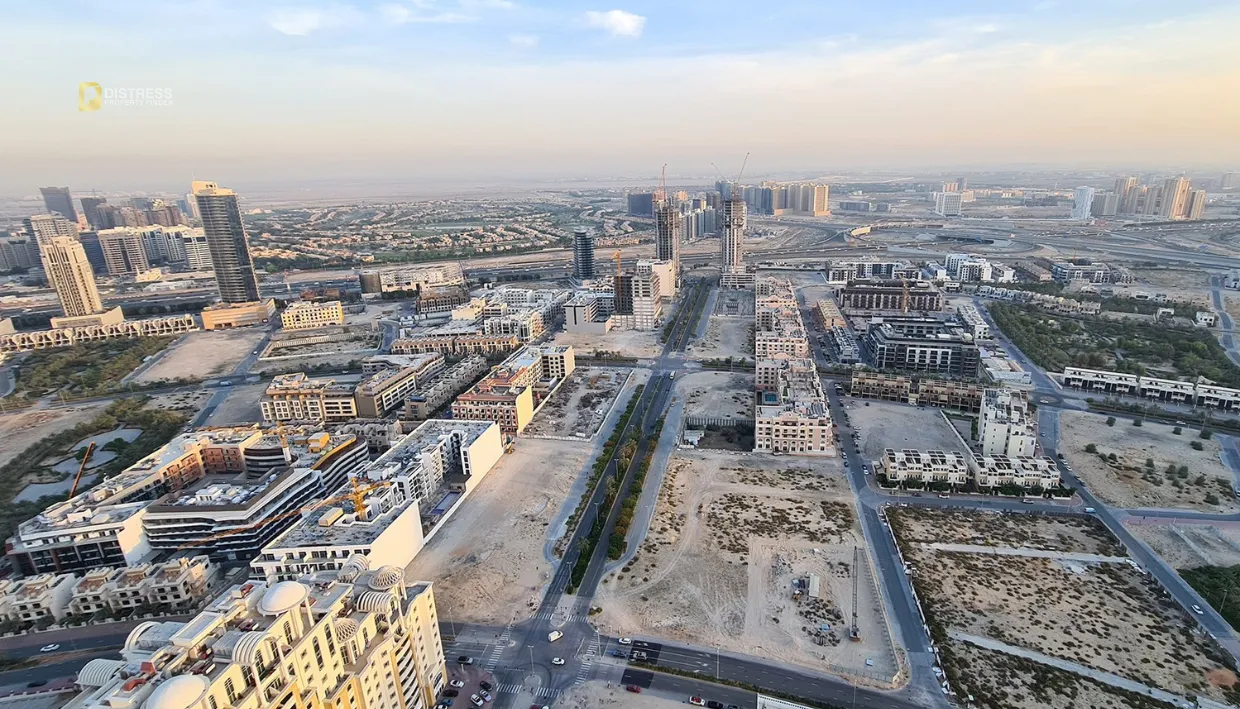
The first step in buying property in Dubai as an overseas investor is selecting a freehold area. Freehold ownership means you fully own the property and the land it is built on.
Popular freehold areas typically offer:
- High rental demand
- Strong resale value
- Well-developed infrastructure
- Clear ownership regulations
Choosing the right location is critical, as it directly impacts rental income, appreciation, and ease of resale. In my experience, overseas investors perform best when they focus on established or well-planned communities rather than chasing unfamiliar locations.
Step 2: Decide Between Off-Plan and Ready Property
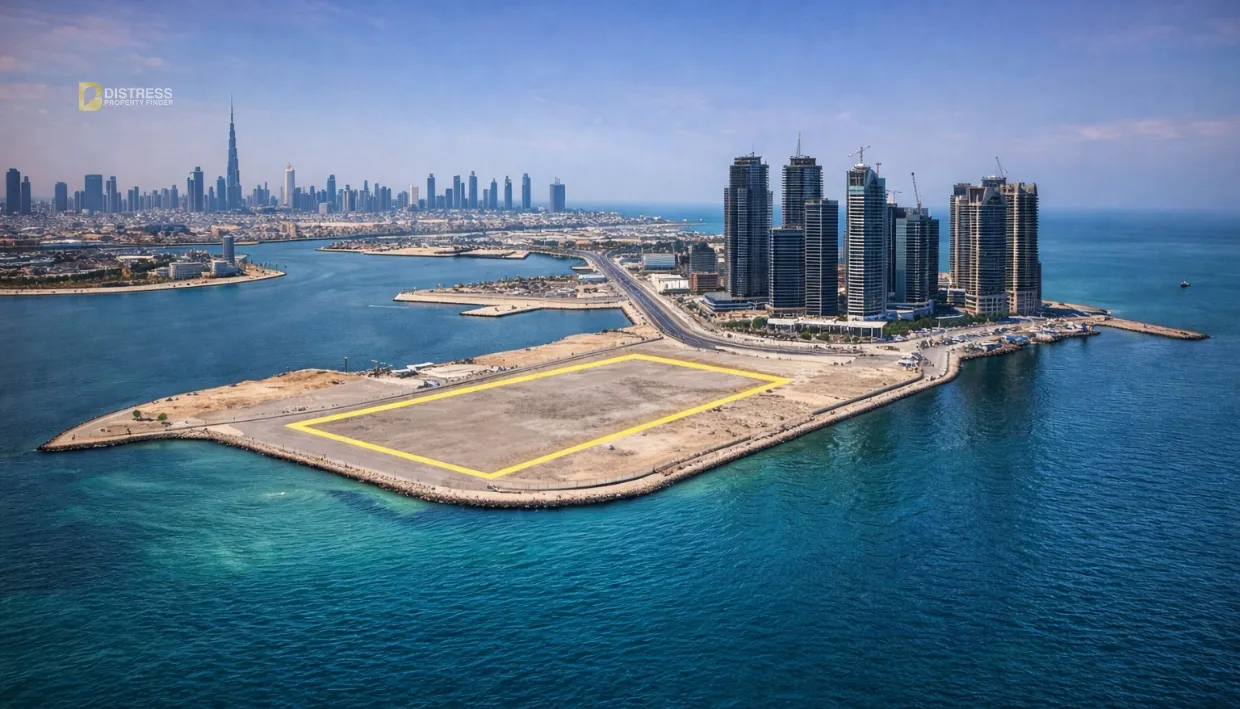
Once the area is selected, the next decision is whether to buy an off-plan property or a ready (completed) property.
Off-plan properties are purchased directly from developers before completion. They often come with flexible payment plans and lower entry prices, making them attractive for long-term investors.
Ready properties, on the other hand, allow immediate rental income and clearer valuation. Many overseas investors prefer ready properties because they reduce waiting time and provide instant cash flow.
The choice depends on your investment goals, risk tolerance, and timeline.
Step 3: Work With Licensed Professionals Only
One of the most important steps in buying property in Dubai as an overseas investor in 2026 is working only with licensed real estate agents and registered developers. Dubai has strict regulations, and licensed professionals are monitored to protect buyers.
A reliable agent helps with:
- Market guidance based on your budget and goals
- Property shortlisting
- Negotiation and paperwork
- Coordination with developers or sellers
From experience, overseas investors who work with experienced professionals avoid costly mistakes and move through the process more smoothly.
Step 4: Understand the Costs Involved
Buying property in Dubai is straightforward, but it’s important to understand the associated costs before committing.
Typical costs include:
- Property price
- Dubai Land Department registration fee
- Agent commission (if applicable)
- Trustee office fees
- Service charges (annual maintenance fees)
There are no hidden taxes, and costs are clearly outlined before finalizing the transaction. This transparency is one reason overseas investors feel comfortable buying in Dubai.
Step 5: Sign the Sale Agreement
Once you agree on the property and price, a formal sale agreement is signed. For ready properties, this is usually a standard contract outlining the terms, payment schedule, and transfer process.
At this stage, a deposit is typically paid to secure the property. The agreement protects both buyer and seller and ensures that terms are legally binding.
For off-plan purchases, the developer provides a sales agreement with a payment plan linked to construction milestones.
Step 6: Register the Property With Dubai Land Department
Property ownership in Dubai is officially recognized only after registration with the Dubai Land Department. This step ensures your ownership rights are legally protected.
Once registered, you receive a title deed in your name. For overseas investors, this provides peace of mind and full legal recognition of ownership.
The registration process is efficient and usually completed within a short time frame.
Step 7: Property Management for Overseas Owners
Many overseas investors do not live in Dubai, which is why property management services are widely used. These services handle tenant sourcing, rent collection, maintenance, and compliance.
Benefits of professional property management include:
- Hassle-free rental income
- Proper tenant screening
- Regular property upkeep
- Compliance with local regulations
From experience, professional management helps overseas investors maximize returns while avoiding day-to-day involvement.
Can Buying Property in Dubai Lead to Residency?
In many cases, yes. Property ownership above certain values may qualify investors for long-term residency visas. While visa rules can evolve, Dubai continues to link property investment with residency options, making it attractive for long-term planning.
This added benefit is especially appealing to overseas investors considering future relocation or frequent stays in the UAE.
Common Mistakes Overseas Investors Should Avoid
While Dubai is investor-friendly, mistakes can still happen without proper planning.
Common issues include:
- Buying without proper market research
- Working with unlicensed agents
- Ignoring service charges and long-term costs
- Choosing location based on hype rather than demand
Taking time to understand the market and working with professionals significantly reduces these risks.Explore more Dubai distress deals
Distress Properties · Communities · Areas in UAE · Developers · Guides