
Distress Properties in Dubai
1548 distress property listings in Dubai.
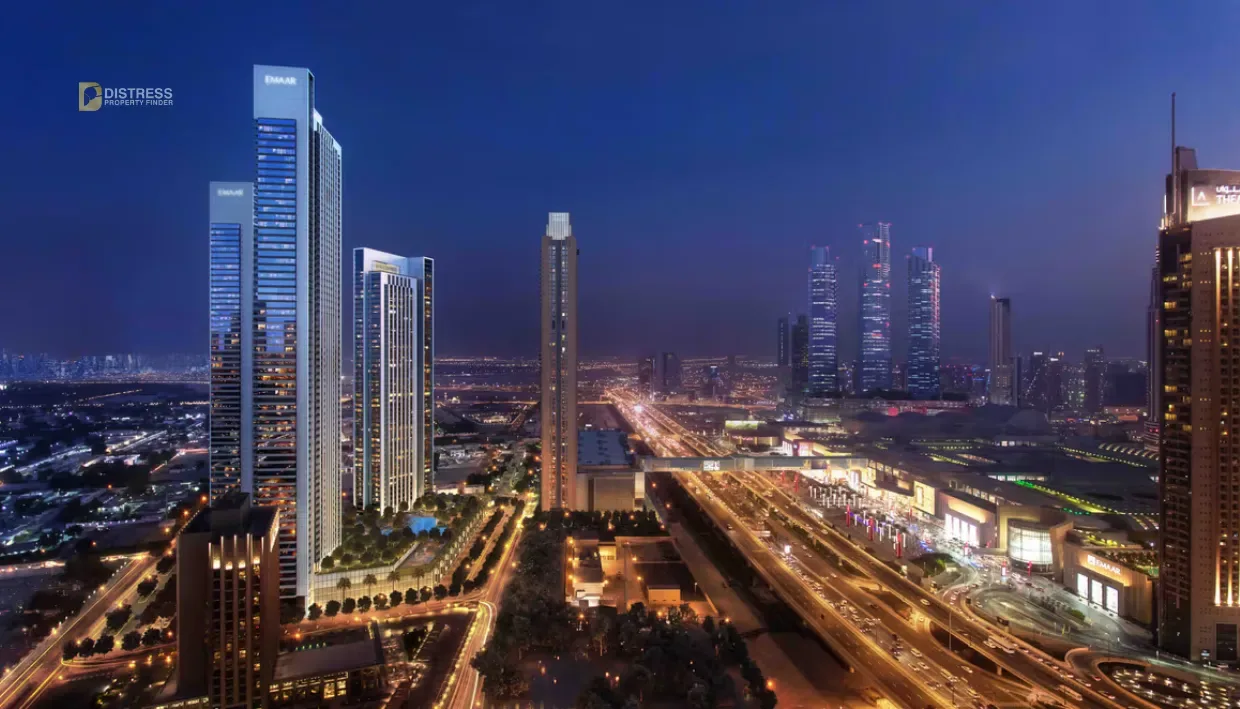 1 Bedroom Apartment Below Market in Downtown Views 1 with Dubai Mall AccessAED 2,150,000View property
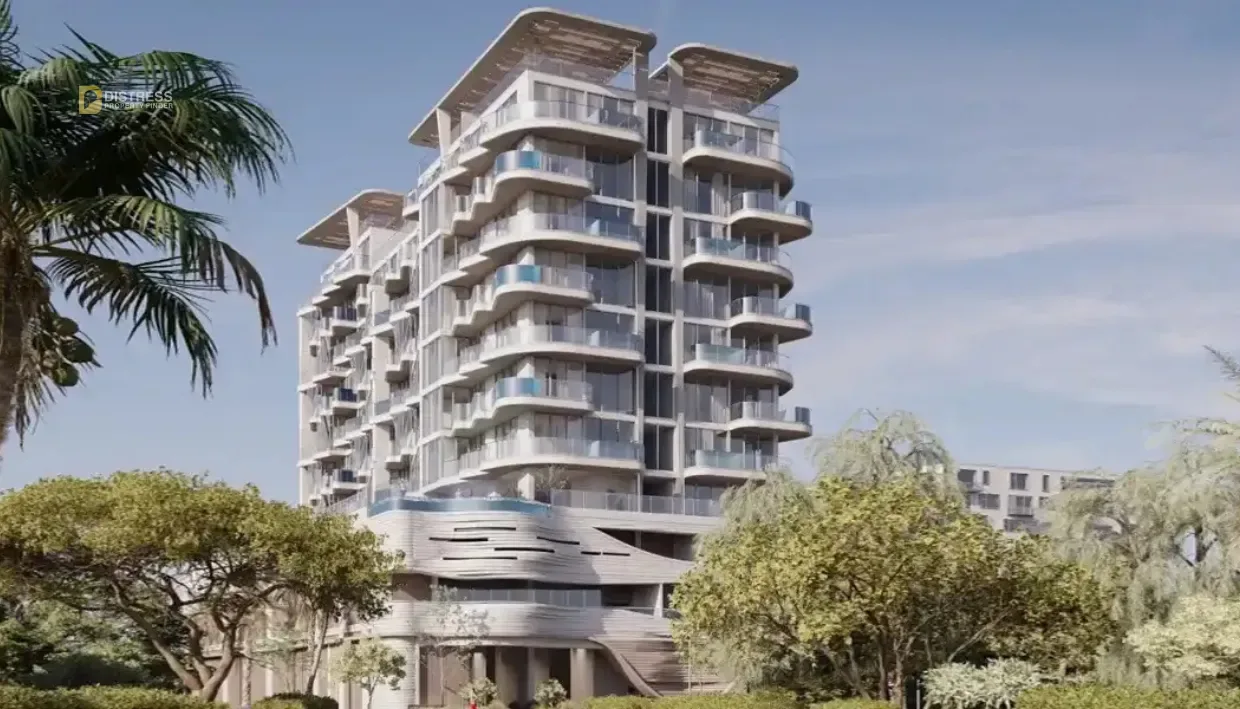 Off-Plan 3-Bedroom Water-View Apartment with Private Balcony Pool at Iluka Residences, Dubai Islands — Below MarketAED 3,000,000View property
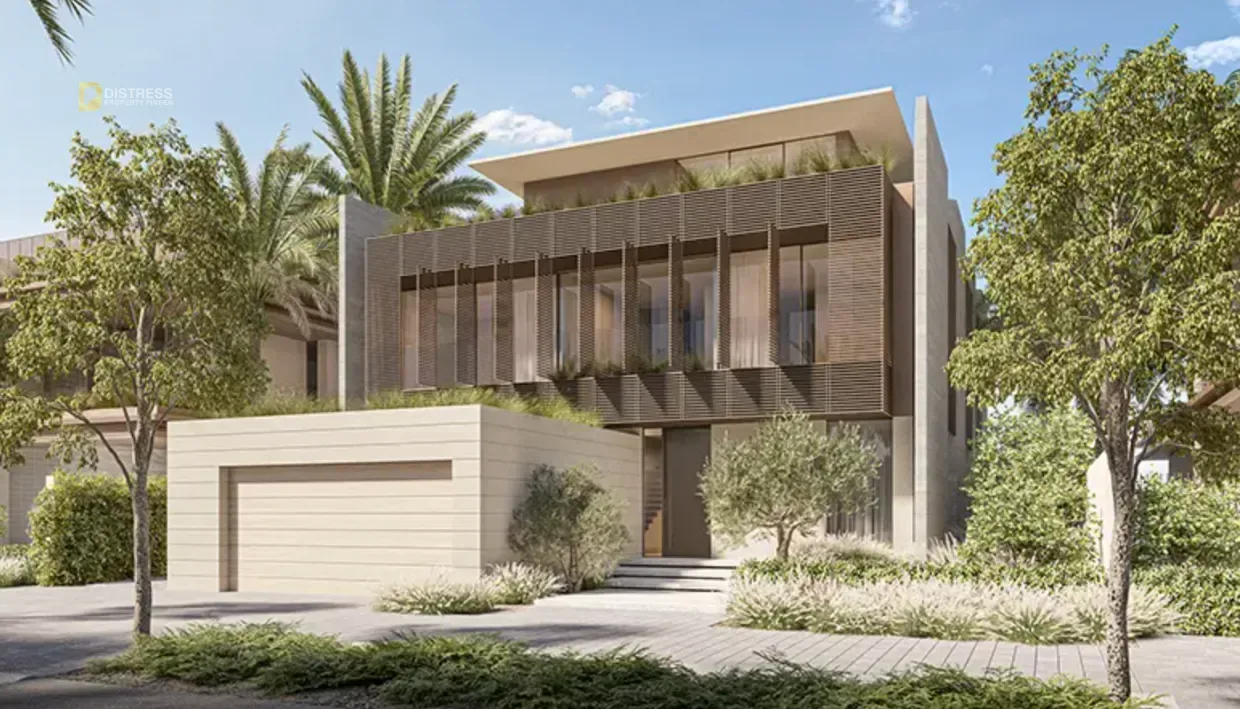 5 Bedroom Villa on Frond C, Palm Jebel Ali, 10% Below Original PriceAED 24,960,000View property
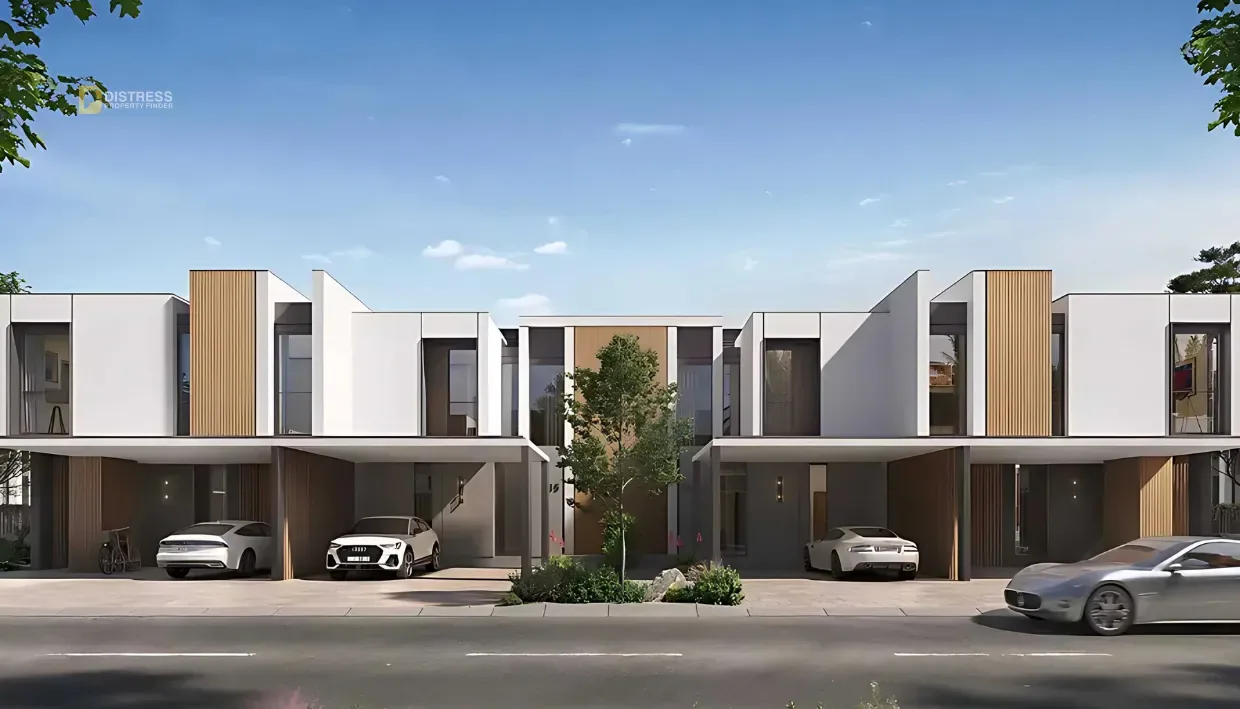 6-Bedroom Off-Plan Villa (G+2) in Sanctuary, Haven by Aldar — Below Original PriceAED 15,400,000View property
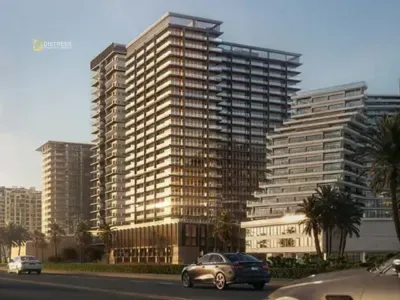 Studio Apartment at Binghatti Starlight, Al Jaddaf, with Pool View, 12.6% Below Original Price, Handover in 30 DaysAED 750,000View property
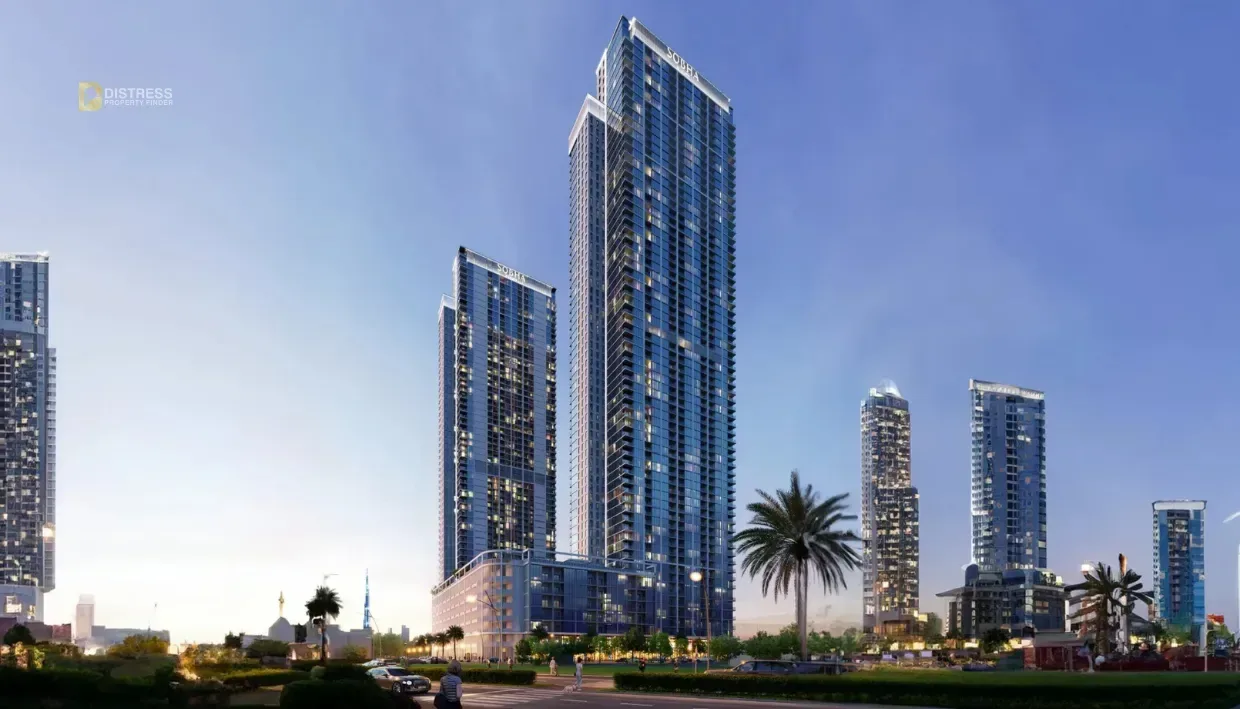 1-Bedroom Apartment with Burj Khalifa View at Sobha Creek Vistas Heights, Sobha HartlandAED 1,330,000View property
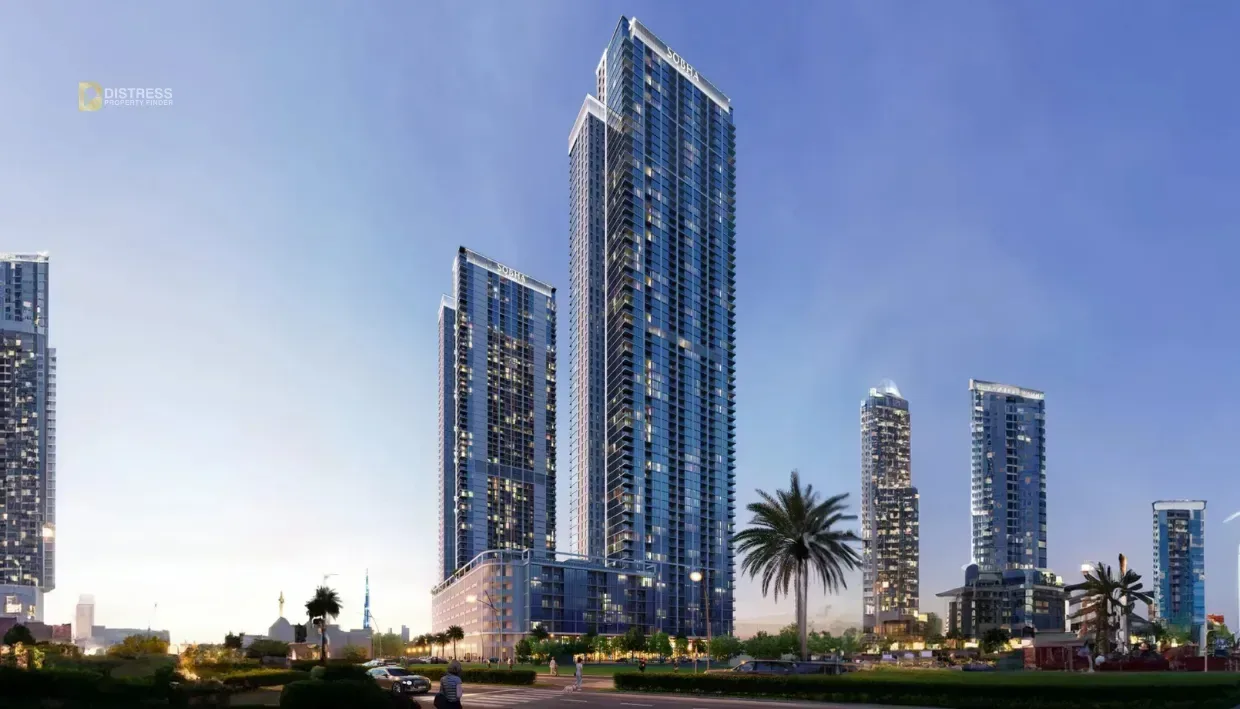 1-Bedroom Plus Study Apartment with Community View at Sobha Creek Vistas Heights, Offered at Original PriceAED 1,900,000View property
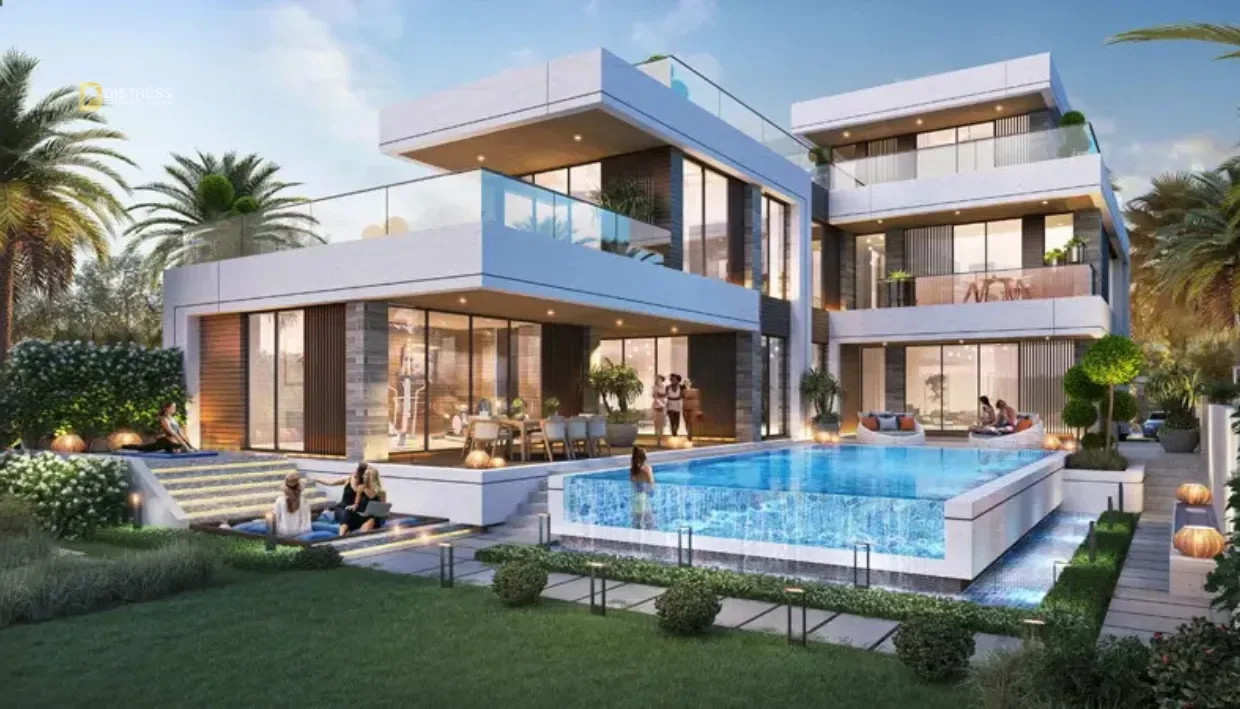 Off-Plan 5-Bedroom Corner Townhouse in Morocco 2, DAMAC Lagoons, 4% Below Original PriceAED 3,860,000View property
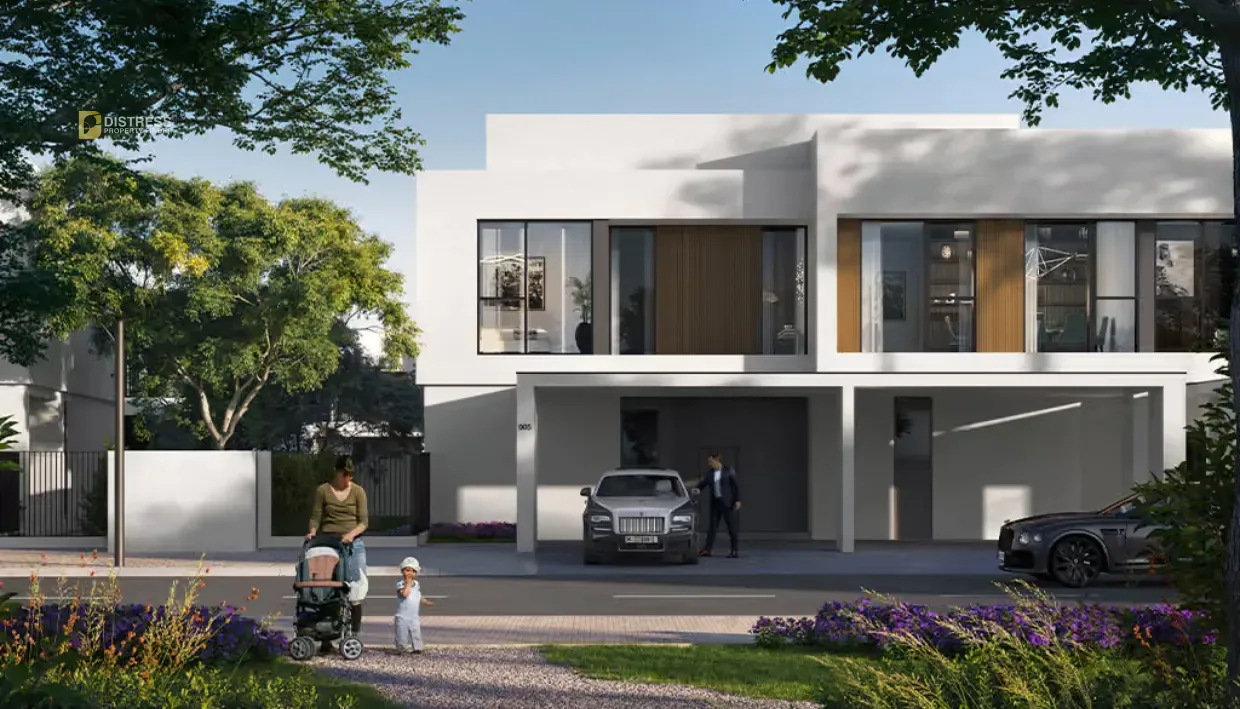 Off-Plan 4-Bedroom Type A Townhouse at Equestra, Grand Polo Club & Resort, 10% Below Original PriceAED 4,511,415View property
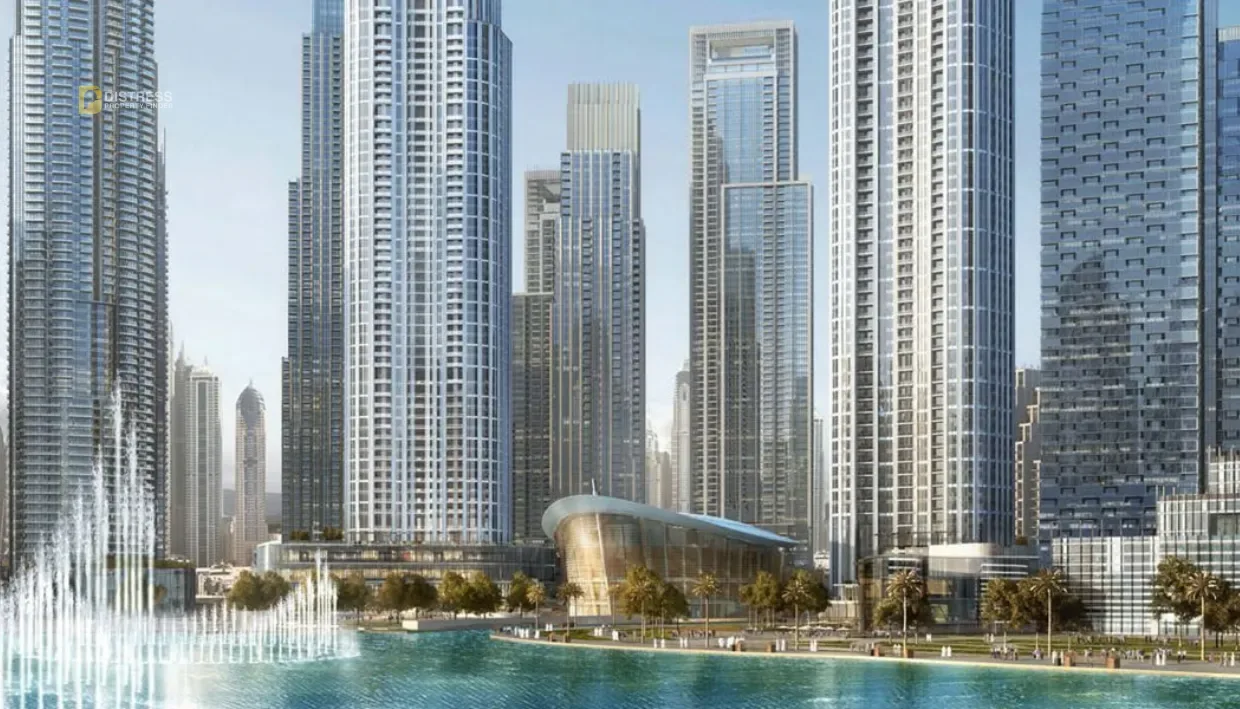 Furnished 4-Bedroom Plus Maid in Il Primo, Downtown Dubai, Vacant and AED 4 Million Below Original PriceAED 26,000,000View property
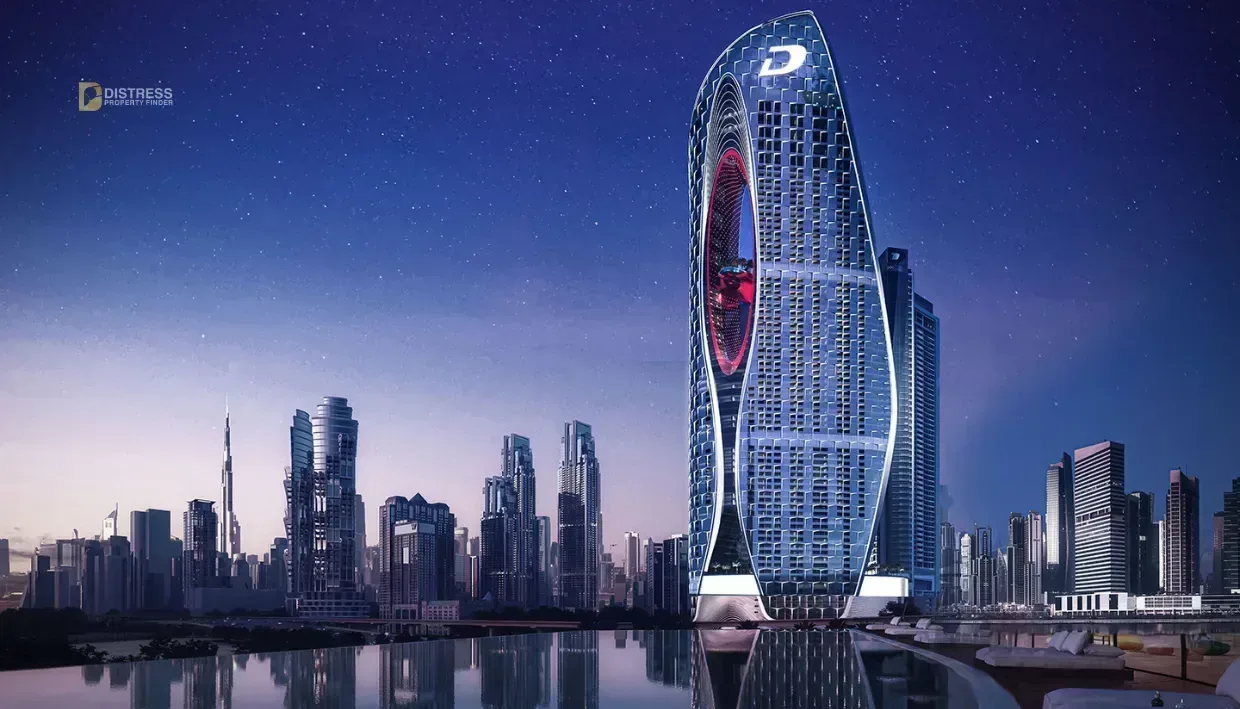 Off-Plan 2-Bedroom Apartment at Safa Two de GRISOGONO, Business Bay, 7.5% Below Original PriceAED 2,300,000View property
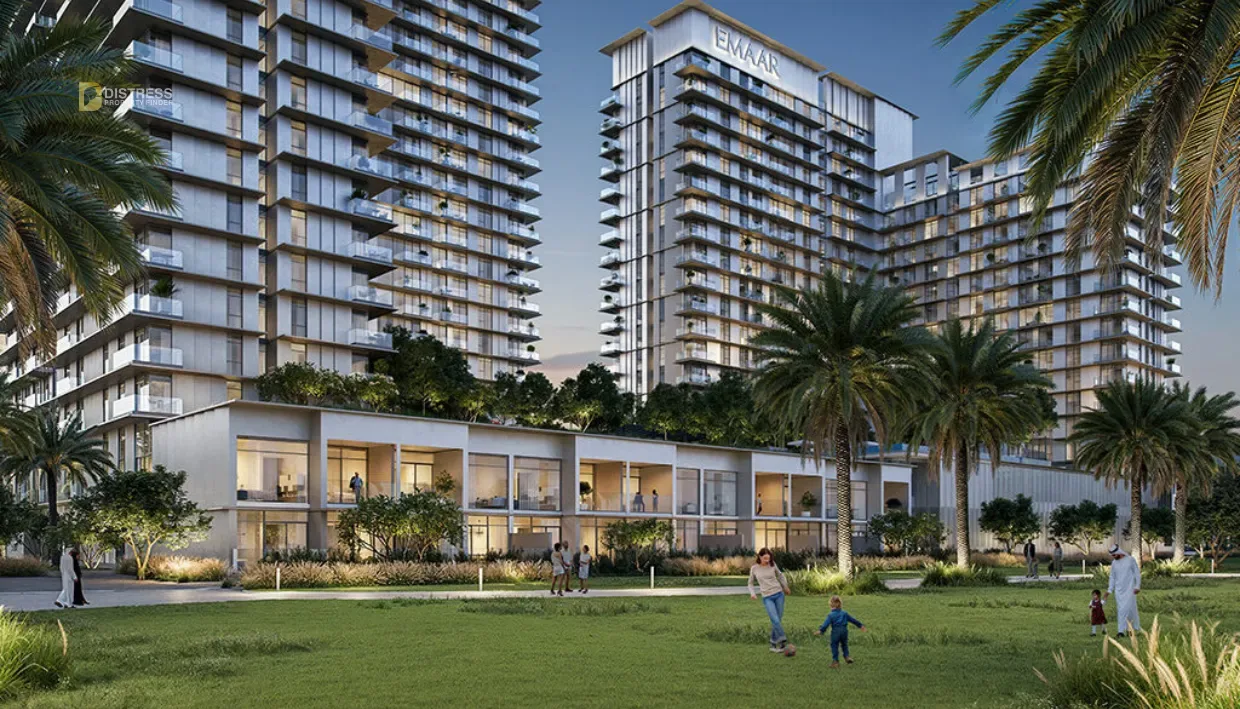 One-Bedroom at Address Residences, Dubai Hills Estate — Priced Below Original Purchase PriceAED 2,000,000View property
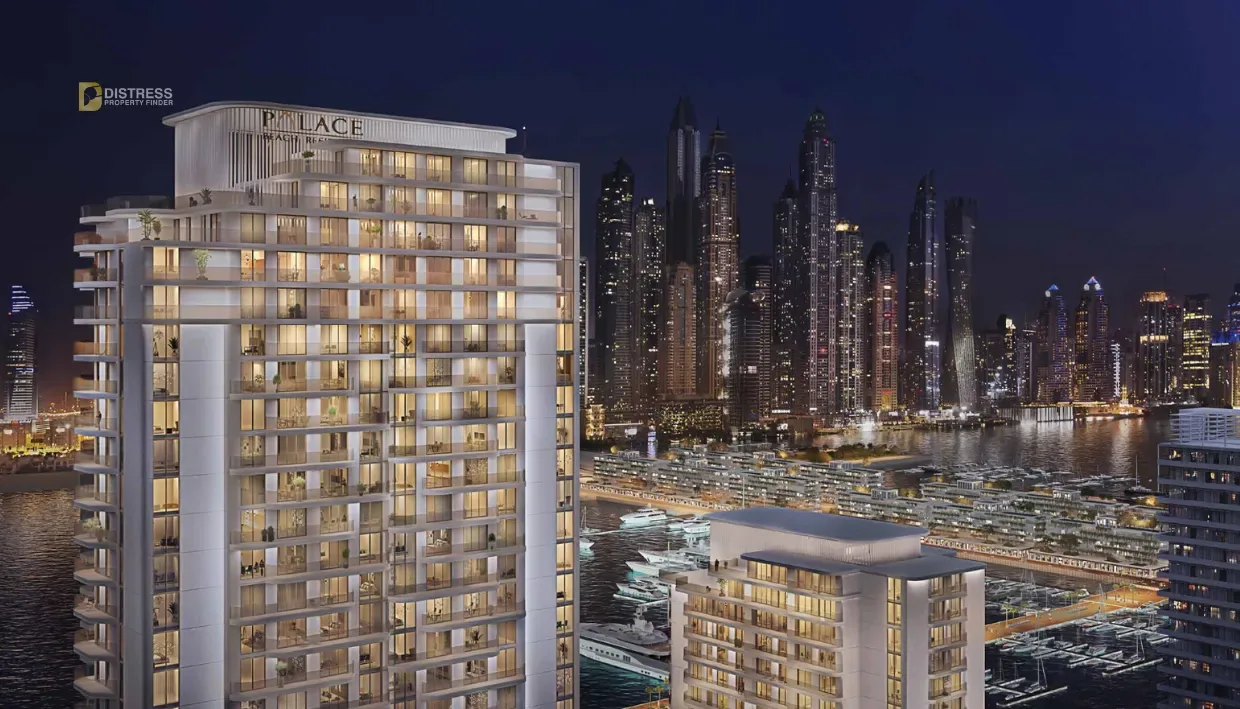 One-Bedroom Apartment at Palace Beach Residence, Emaar Beachfront — Priced Below Original Purchase PriceAED 2,380,000View property
 One-Bedroom Apartment at Peninsula Four, Business Bay — OP + DLD Covered, ReadyAED 2,375,000View property
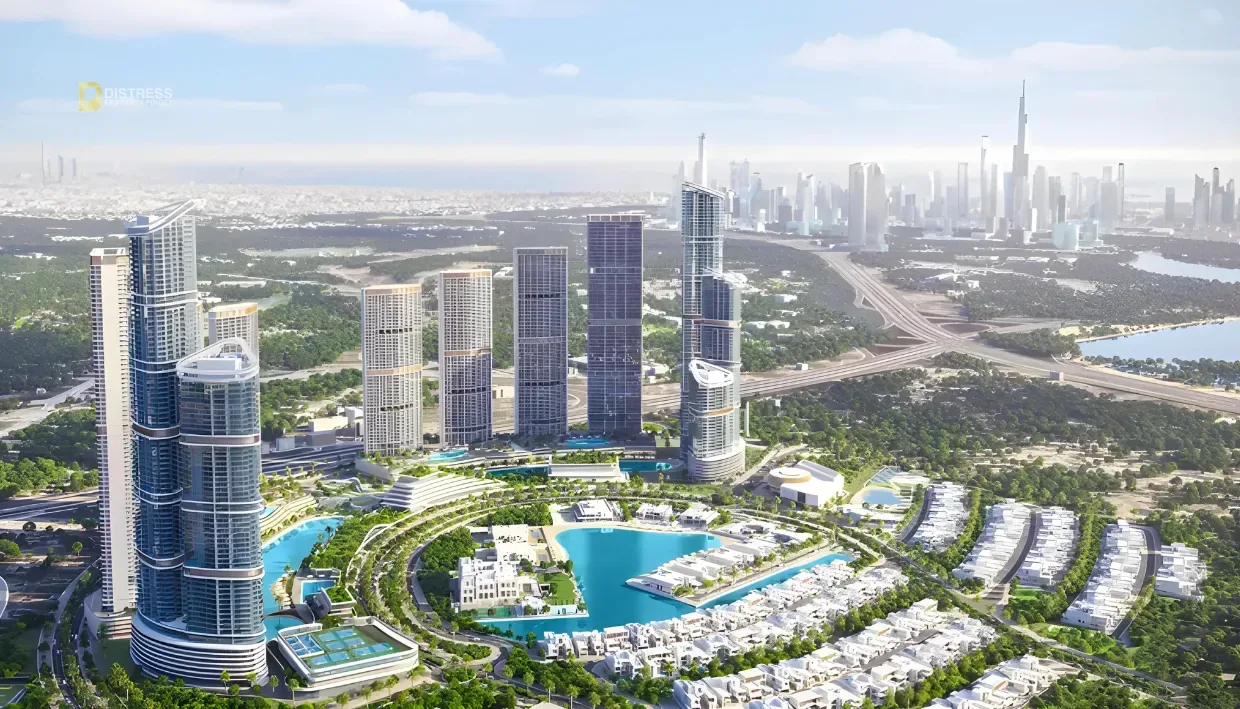 High Floor 1 Bedroom in 320 Riverside Crescent, Sobha Hartland 2 at 1.6% Below OP with Open Nad Al Sheba ViewAED 1,650,000View property
 1 Bedroom in Claydon House by Ellington, Meydan Horizon at 15.6% Below OP with 45% PaidAED 1,350,000View property
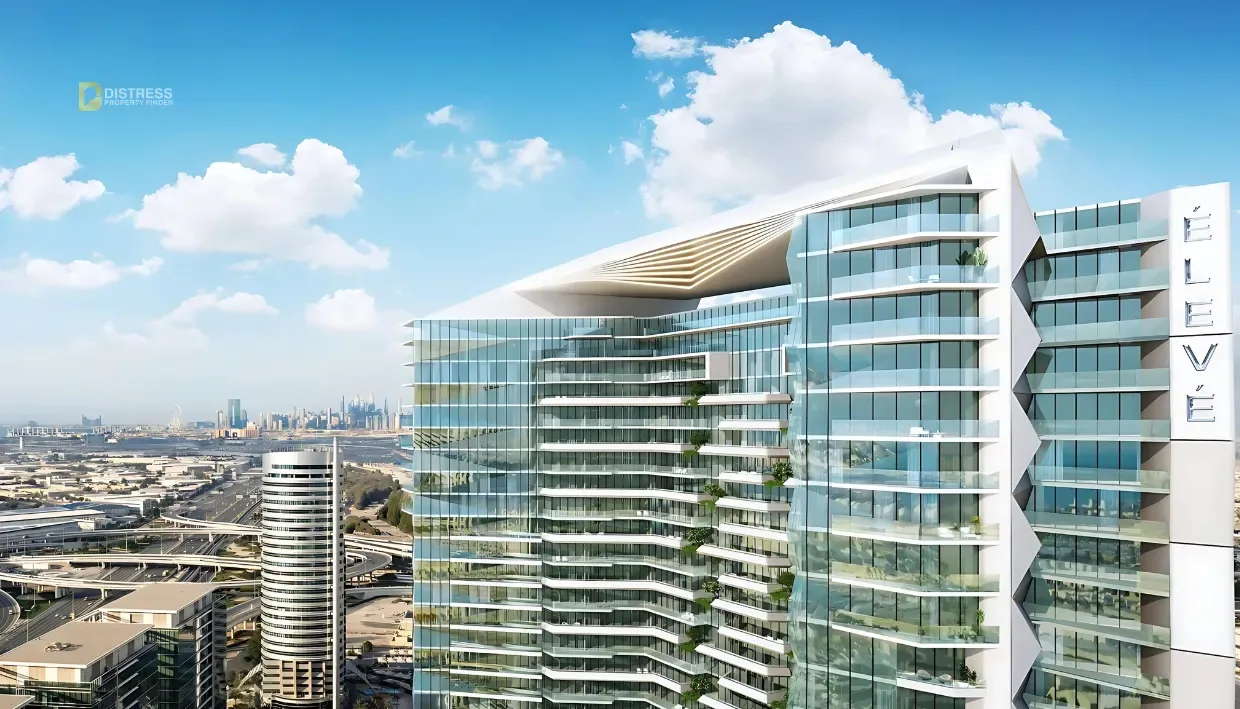 Mid Floor 1 Bedroom in Eleve by Deyaar, Downtown Jebel Ali at 8.1% Below OP with Pool ViewAED 1,000,000View property
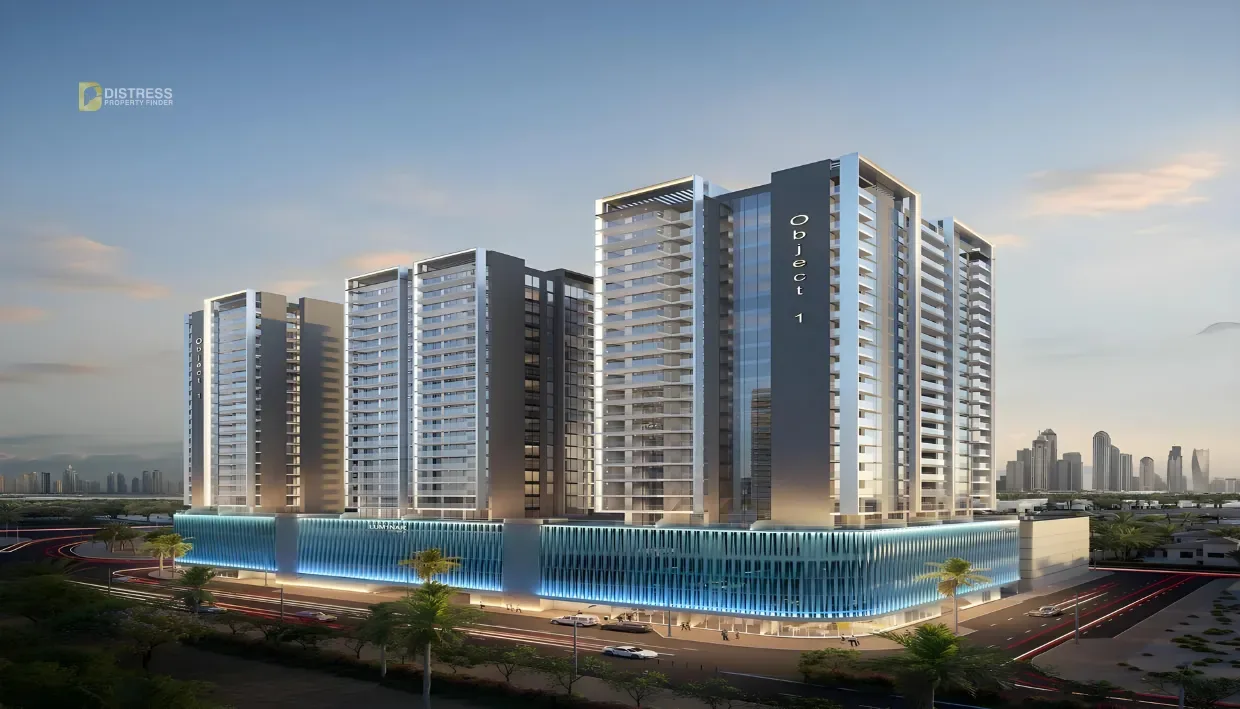 1 Bedroom in Lum1nar Tower 3 by Object 1, JVT at 27.6% Below Original Purchase PriceAED 800,000View property
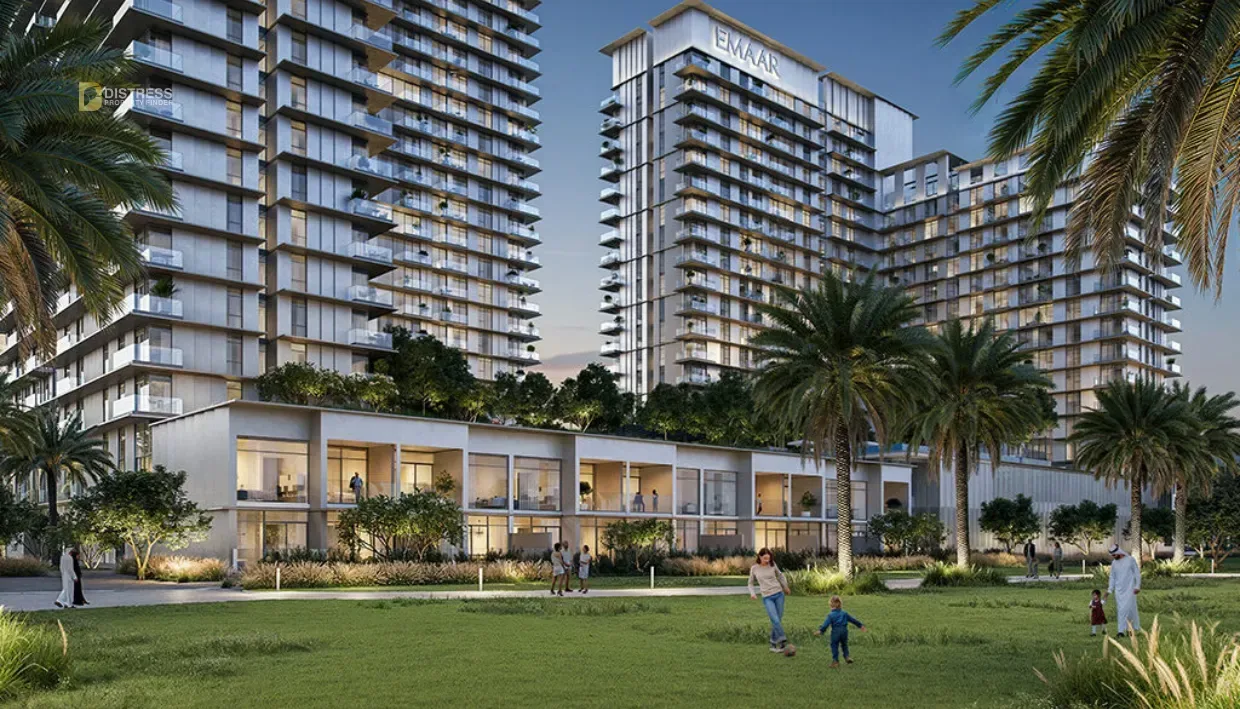 Two-Bedroom Corner Apartment at Address Residences Dubai Hills Estate (Tower A) — Below Original Price, DLD CoveredAED 2,800,000View property
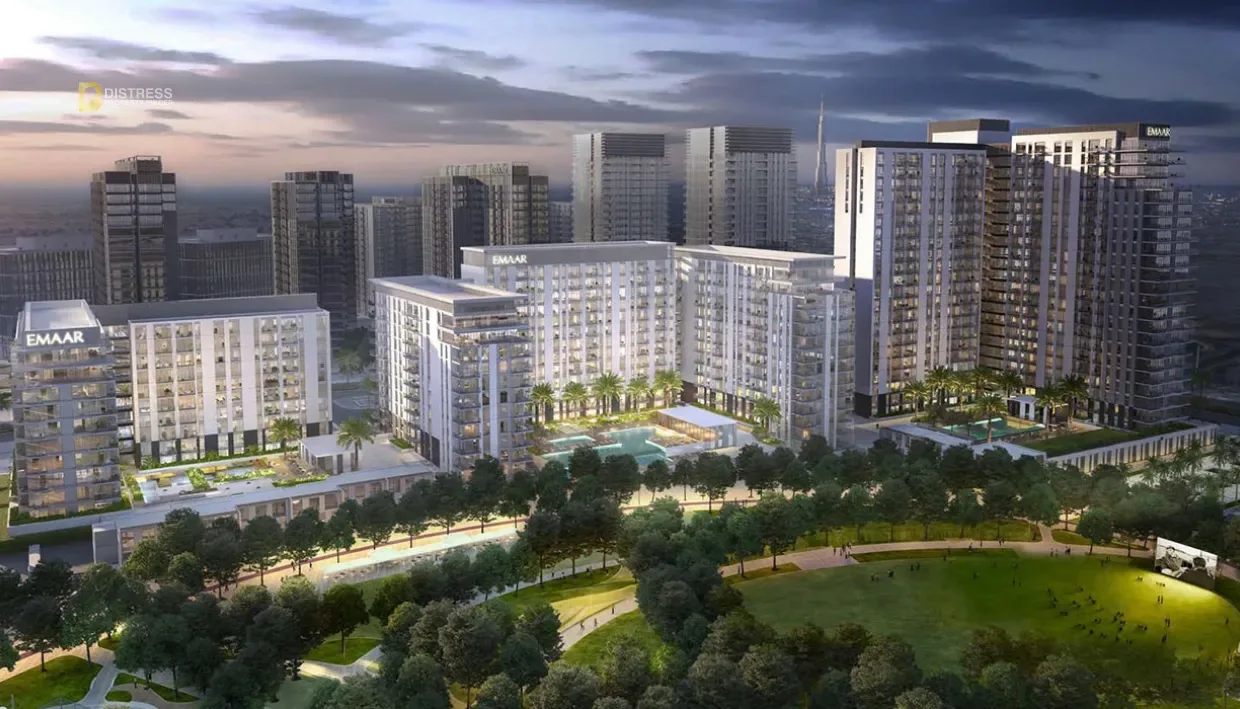 Vacant 2-Bedroom Apartment with Terrace and Pool Access at Executive Residences, Dubai Hills Estate — Below MarketAED 2,900,000View property
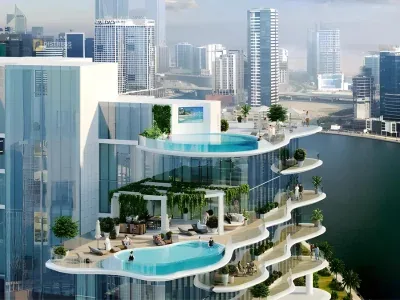 Mid Floor 2 Bedroom in Chic Tower, Business Bay at 14.5% Below OP with Canal ViewAED 2,600,000View property
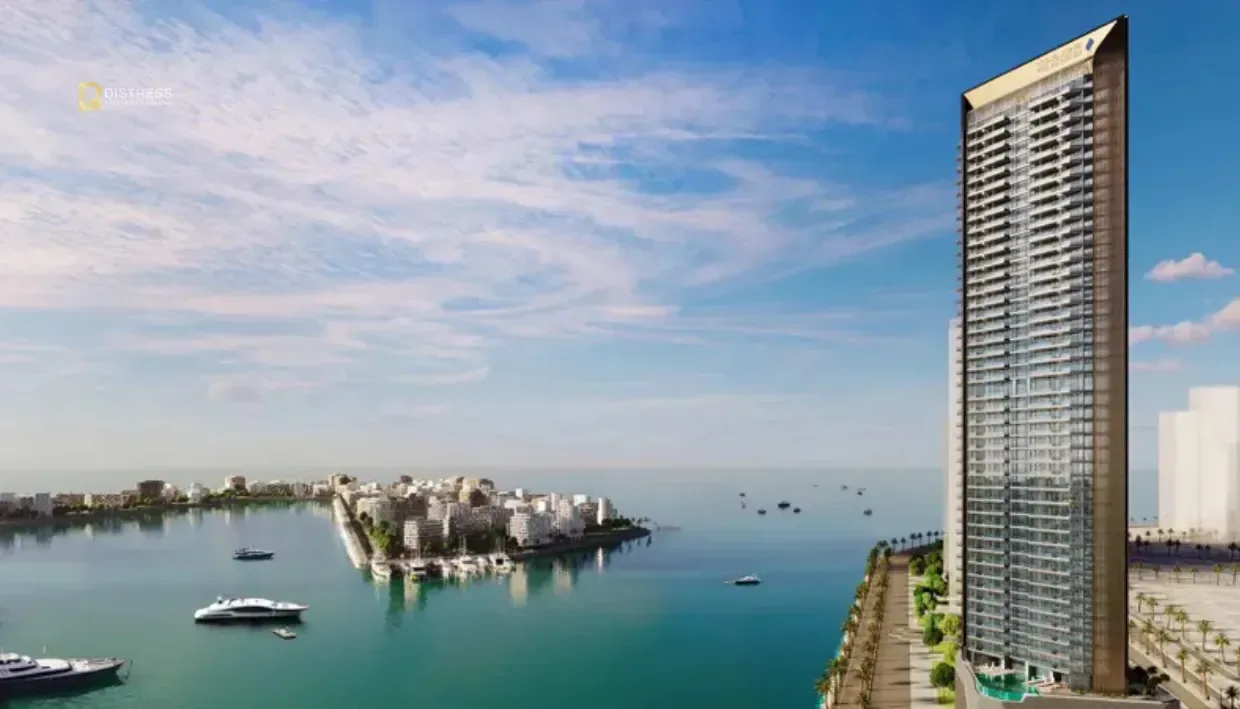 Corner 2 Bedroom in Nautica Two by Select Group, Dubai Maritime City at 14.7% Below OP with Sea and Marina ViewsAED 2,485,000View property
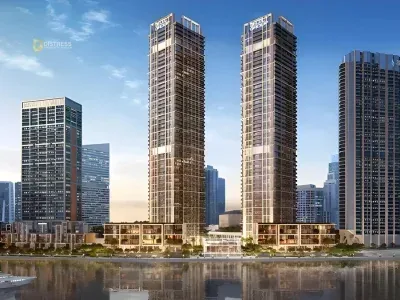 Premium Corner 2 Bedroom in Peninsula Four, Business Bay with Full Canal View at OP Plus DLD CoveredAED 3,760,000View property
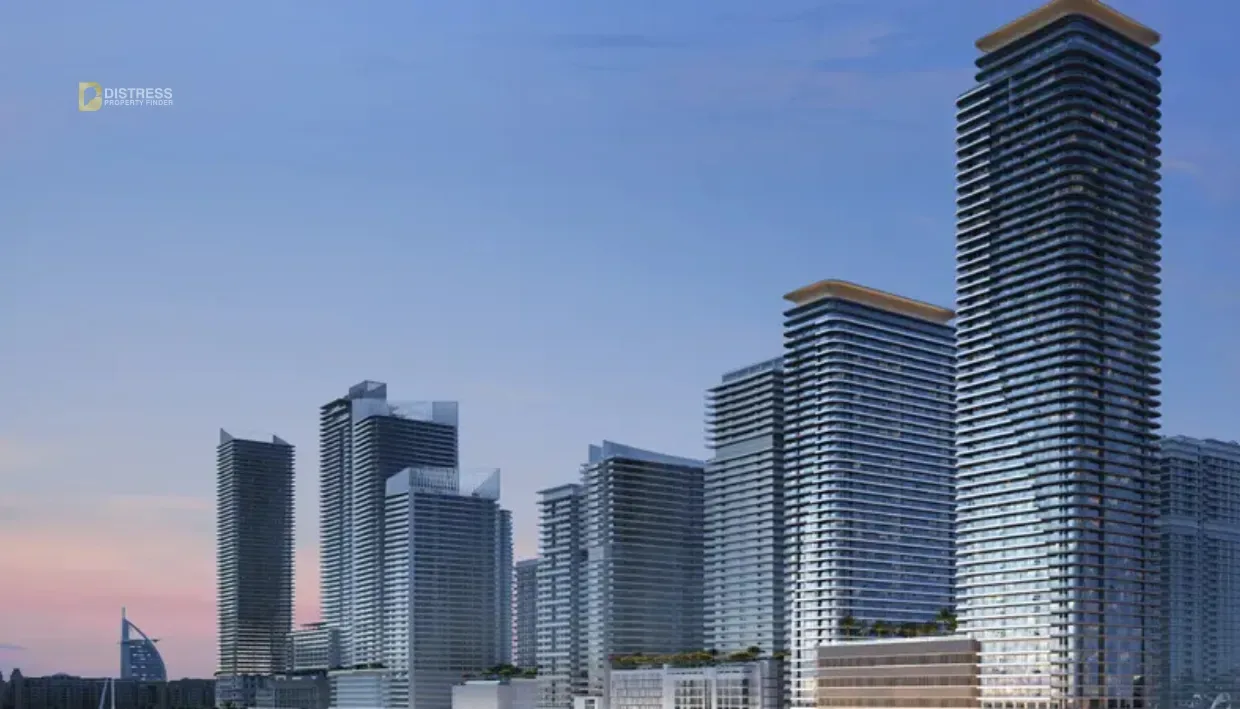 2 Bedroom in Seapoint Tower 2 by Emaar, Emaar Beachfront at 4.3% Below OP with Full Palm ViewAED 6,600,000View property
Dubai Real Estate — The Complete 2026 City Guide: Everything You Need to Know Before You Buy, Rent, or Invest in Dubai (Including How to Find Distress Deals Across Every Community)
Every city on earth has a story it tells about itself. London says it is history. New York says it is ambition. Singapore says it is efficiency. Tokyo says it is precision.
Dubai says: watch what we build next.
And what Dubai has built — in less than four decades — is the single most extraordinary urban development story in modern human history. In 1985, Dubai was a trading port city of fewer than 400,000 people with a modest skyline, a pearl-diving heritage, and an airport handling regional traffic. In 2026, it is a global city of 3.7 million residents from over 200 nationalities, anchored by the world's tallest building, connected by one of the world's most modern metro systems, served by the world's busiest international airport, and home to a real estate market that generated over AED 750 billion in transactions in 2024 alone — making it one of the top five most actively traded property markets on earth.
This transformation did not happen by accident. It happened because of a specific set of policy decisions — freehold ownership for foreign nationals introduced in 2002, visa reform that created the 10-year Golden Visa and retirement visa, zero income tax on personal earnings, a legal and regulatory infrastructure that protects buyers and tenants, and a physical infrastructure investment programme that has made Dubai genuinely easier to live in than many of the cities its residents came from.
For property investors, Dubai in 2026 is not an emerging market bet. It is an established, globally traded, institutionally recognised investment destination — with a residential property market that spans every price point from AED 280,000 freehold studios to AED 200,000,000 beachfront mansions, generates gross rental yields of 5–12% depending on community and asset type, and has a 20-year capital appreciation track record that, across its best communities, rivals the performance of London, New York, and Singapore prime residential markets.
And within that market — across every community, every developer, every price tier — there exists a parallel market that most buyers and portals never fully surface: the distress property market. Motivated sellers. Below-market acquisitions. Properties transacting at 10–25% below their DLD-recorded comparable values because the seller's circumstances create urgency that the market, in its normal functioning, does not always satisfy. This is the market that DistressPropertyFinder.com was built to serve — and this guide is its definitive companion document for the full city of Dubai in 2026.
Whether you are buying your first Dubai property, expanding an existing portfolio, relocating from another country, or specifically hunting for distress acquisitions across Dubai's premium communities — this is the single comprehensive resource that covers the entire city, its communities, its investment mechanics, and its distress opportunity set in one document.
Why Dubai? — The Complete Investment Case in 2026
The Seven Structural Advantages That No Other City Fully Replicates
Before prices, before yields, before community comparisons — there are seven structural characteristics of Dubai that together create an investment environment that no other major global city currently offers in the same combination. These are not marketing claims. They are policy-driven, legally embedded, and economically documented realities.
1. Zero Personal Income Tax Dubai — and the UAE broadly — levies no personal income tax on residents' earnings, no capital gains tax on property sales, and no inheritance tax on property held in Dubai. For an investor earning AED 600,000/year in rental income from a Dubai portfolio, the tax-free status means every dirham stays in the portfolio. The equivalent investor in London pays 40% income tax on rental profits above the personal allowance. In Paris, up to 45% on rental income. In Singapore, up to 22%. Dubai's tax position is not a temporary incentive — it is constitutionally embedded in the UAE's federal structure and has been unchanged since the UAE's founding.
2. The Golden Visa — 10-Year Renewable UAE Residency Through Property The UAE's 10-year Golden Visa, introduced in 2019 and expanded in 2022, allows any property buyer who purchases AED 2,000,000 or more of Dubai real estate to apply for a 10-year renewable UAE residency visa covering the buyer plus immediate family members (spouse, children under 25, unmarried daughters of any age). This residency carries full rights of UAE residence, business ownership, banking, schooling, and healthcare access — all triggered by a single property investment at a threshold that encompasses most Dubai 1-bedroom apartments and virtually all 2-bedrooms and above. No other major international property destination offers comparable residency access at this price threshold.
3. Freehold Ownership for All Nationalities Since the 2002 freehold legislation, any foreign national of any nationality can purchase full freehold title to property in Dubai's designated freehold zones. No local co-ownership requirement. No leasehold time limit. No nationality-based restrictions. Full title, mortgageable, inheritable, transferable. This is not universal among the Gulf's investment destinations — many remain restricted to GCC nationals or offer only leasehold structures to foreigners.
4. The World's Largest International Airport Hub Dubai International Airport (DXB) is the world's busiest international airport by passenger count — handling approximately 92 million passengers annually and providing direct connections to over 240 destinations across 6 continents. For property investors who split time between Dubai and home markets, the flight connectivity is a genuine lifestyle and business asset. For short-term rental investors, the airport's volume drives a permanent supply of incoming visitors who need accommodation. No city of Dubai's size comes close to matching DXB's international connectivity density.
5. One of the World's Lowest Crime Rates Dubai consistently ranks among the world's five safest major cities for personal safety. The combination of strong rule of law, comprehensive CCTV infrastructure, community policing, and cultural values creates a living environment where residents and visitors from high-crime cities describe Dubai as transformatively safe. For families, for women living independently, and for property owners who travel frequently and leave properties unoccupied — safety is not a marginal consideration. It is a primary quality-of-life and asset-security factor.
6. World-Class Infrastructure at Emerging Market Speeds Dubai's physical infrastructure — roads, metro, airport, desalination, power grid, digital connectivity — is maintained at a standard that competes with Singapore, Tokyo, and Zurich, while new infrastructure additions are delivered at a pace that those cities cannot match. The metro system opened its first line in 2009 and now carries over 200 million passengers annually. Expo City was built from empty desert and operational for a global event within six years. Palm Jebel Ali — a second palm island — is under construction from scratch in the same time it takes most cities to plan a single road extension. This infrastructure delivery velocity means that investing in Dubai's off-plan communities is not a leap of faith — it is a historically validated bet on a government that has, with consistency, delivered what it committed to build.
7. Political Stability in a Complex Region The UAE's political stability — a constitutional monarchy with a 50+ year track record of peaceful governance, economic diversification, and foreign policy pragmatism — has become increasingly valuable as geopolitical instability affects neighbouring and global markets. Dubai specifically has maintained its economic openness and investment-friendly policies through multiple global crises (2008 financial crisis, 2011 Arab Spring, 2020 pandemic, regional conflicts). Investors who want emerging-market growth rates with developed-market governance stability find Dubai's risk profile uniquely positioned.
Dubai's Post-2020 Transformation — The Wealth Migration Story
The single most important development in Dubai's property market since 2020 is not a government policy or an infrastructure project. It is the scale and composition of wealth migration into Dubai from the world's major economies.
From 2020 to 2026, Dubai received an estimated 35,000–45,000 high-net-worth individuals (HNWIs, defined as individuals with investable assets above USD 1 million) — more than any other single city in the world for four consecutive years. The composition of this migration:
- European HNWIs (primarily UK, Germany, France, Italy) seeking tax-efficient residency as European tax burdens on high earners increased
- Russian HNWIs following the 2022 Ukraine conflict and associated Western sanctions, requiring a neutral jurisdiction for both residence and asset management
- Indian HNWIs — Dubai has long been the preferred international destination for India's business class, and the 2020–2026 wave represents an acceleration of a multi-decade trend
- Chinese HNWIs seeking international diversification and safe-harbour asset allocation outside China
- Egyptian, Lebanese, Nigerian, and Kenyan HNWIs from economies with persistent currency and political instability, using Dubai as a stable base for capital preservation
- American and Canadian HNWIs drawn by tax residency structures, lifestyle quality, and the ability to maintain global business operations from a Dubai base
This wealth migration is not a short-term cyclical phenomenon. It is driven by structural factors — tax policy divergence between Dubai and major Western economies, geopolitical complexity, global mobility normalisation — that are unlikely to reverse in the 2026–2030 horizon. For property investors, it represents a structural demand support for Dubai's prime and premium communities that is more durable than the speculative demand cycles that drove and then burst the pre-2008 market.
Dubai Real Estate Market Snapshot 2026 — The City's Numbers
Transaction Volume and Market Scale in 2026
Dubai's residential property market in 2026 is operating at near-record volumes, supported by the wealth migration tailwind and a post-Expo momentum that has maintained elevated activity levels beyond the initial post-pandemic recovery:
- Annual transaction value: Over AED 750 billion (approximately USD 204 billion) in 2024, with 2025–2026 broadly maintaining this level
- Annual transaction volume: Over 170,000 property transactions per year as of 2024–2025
- International buyer share: Approximately 45–55% of all Dubai residential transactions involve non-UAE-national buyers — one of the highest foreign buyer participation rates of any major property market globally
- Top buyer nationalities: Indian (consistently #1 by volume), British, Russian, Chinese, Pakistani, Egyptian, Lebanese, Canadian, German, French
- Average days on market (premium communities): 20–35 days for well-priced units in Downtown, Palm Jumeirah, Business Bay, and Dubai Hills Estate
- Off-plan vs ready split: Approximately 60% of transactions are off-plan (new launches from developers) and 40% are secondary (ready) market transactions
Dubai Property Price Overview 2026 — All Communities
Dubai's residential property market spans one of the widest price-per-square-foot ranges of any major city — from approximately AED 800/sq ft in older International City stock to AED 10,000+/sq ft in Palm Jumeirah mega-villas and Como Residences sky penthouses.
Average price per square foot by community tier (2026):
| Tier | Communities | Avg. Price/Sq Ft (AED) | Entry Price (1BR) |
|---|---|---|---|
| Ultra-luxury | Palm Jumeirah (villas), Como Residences, One&Only Za'abeel, Bulgari | 5,000–12,000+ | 8,000,000+ |
| Luxury | Downtown (premium), Palm Jumeirah (apts), Dubai Hills (premium), DIFC | 3,000–6,000 | 2,500,000+ |
| Premium mid-market | Business Bay (canal), JBR, Dubai Marina (premium), Emaar Beachfront | 2,000–3,500 | 1,500,000+ |
| Standard mid-market | Dubai Marina, JLT, Business Bay (standard), Al Jaddaf, Dubai Hills (entry) | 1,400–2,200 | 900,000+ |
| Accessible mid-market | JVC, Al Furjan, Arjan, Dubai Science Park, Meydan | 900–1,400 | 550,000+ |
| Entry-level | Discovery Gardens, Sports City, DSO, International City, Liwan | 600–950 | 300,000+ |
Dubai Gross Rental Yield Overview 2026 — By Community
| Community | Asset Type | Gross Yield Range | Best Asset for Yield |
|---|---|---|---|
| International City | Studio / 1BR | 9.5%–12.0% | Studio |
| Discovery Gardens | Studio / 1BR | 8.5%–10.5% | Studio |
| Dubai Sports City | Studio / 1BR | 8.0%–10.0% | Studio |
| Dubai Silicon Oasis | Studio / 1BR | 8.5%–11.0% | Studio |
| JVC | Studio / 1BR / TH | 7.5%–10.0% | Studio / 1BR |
| Al Furjan | 1BR / TH / Villa | 7.0%–8.5% | 1BR Apt |
| JLT | Studio / 1BR | 7.0%–8.5% | Studio |
| Business Bay | Studio / 1BR | 6.5%–8.5% | Studio |
| Dubai Marina | 1BR / 2BR | 6.0%–8.0% | 1BR |
| Dubai Hills Estate | 1BR / Villa | 5.5%–7.5% | 1BR Apt |
| Downtown Dubai | Studio / 1BR | 5.0%–7.5% | Studio |
| Palm Jumeirah (Apts) | Studio / 1BR | 5.0%–7.5% | Studio |
| Palm Jumeirah (Villas) | 3–5BR | 4.5%–6.5% | 3BR Garden Home |
| Jumeirah Islands | 4–5BR Villa | 4.5%–6.5% | 4BR |
| DIFC | 1BR / 2BR | 4.5%–6.0% | 1BR |
Dubai's Freehold Areas — The Complete Map for Foreign Buyers
What Is a Freehold Zone in Dubai?
A freehold zone in Dubai is a designated area where foreign nationals are legally permitted to purchase full freehold property title — meaning outright ownership with no time limit, no local co-ownership requirement, and no nationality restriction. The freehold designation was introduced by Royal Decree No. 3 of 2006 and has been progressively expanded since.
The full, current list of Dubai's designated freehold zones includes over 60 areas. The most significant for residential investment:
Premium / Luxury Freehold Communities:
- Downtown Dubai
- Palm Jumeirah
- DIFC (Dubai International Financial Centre)
- Jumeirah Beach Residence (JBR)
- Dubai Marina
- Emaar Beachfront
- Dubai Hills Estate
- City Walk (Meraas)
- Bluewaters Island (Meraas)
- Mohammed Bin Rashid City (MBR City)
- Al Jaddaf Waterfront
- Jumeirah Islands / Jumeirah Golf Estates / Jumeirah Park
Mid-Market Freehold Communities:
- Jumeirah Village Circle (JVC)
- Jumeirah Village Triangle (JVT)
- Business Bay
- Al Furjan
- Arjan / Dubai Science Park
- Dubailand
- Meydan (Mohammed Bin Rashid City)
- Dubai Sports City
- DAMAC Hills / DAMAC Hills 2
- Town Square (Nshama)
- Sobha Hartland / Hartland II
Affordable Freehold Communities:
- Discovery Gardens
- International City
- Dubai Silicon Oasis (DSO)
- Liwan
- Dubai Residence Complex
- Green Community
What Is the Difference Between Freehold and Leasehold in Dubai?
Freehold: Outright ownership of both the unit and the proportion of common areas/land it represents. Full rights to sell, mortgage, lease, or bequeath without time restriction. Available to all nationalities in designated freehold zones.
Leasehold: Ownership of the right to occupy for a defined period (typically 10–99 years) — common in some older developments and in non-freehold areas. Not recommended for foreign investment as leasehold creates a diminishing asset over time.
Musataha / Usufruct: Other forms of long-term property rights (40–50 year usufruct rights) available in certain non-freehold areas — less common and generally not recommended for standard residential investment purposes.
All properties discussed in this guide and listed on DistressPropertyFinder.com are freehold unless explicitly stated.
Is Dubai a Good Place to Invest? Is It Safe? Sustainable?
Is Dubai Real Estate a Good Investment in 2026?
The direct answer: for the right buyer, with the right objective, in the right community, at the right price — yes, Dubai real estate in 2026 is one of the best risk-adjusted investment opportunities among major global cities. But "right" matters on all four counts, and blanket enthusiasm is as misleading as blanket scepticism.
The case for Dubai as a 2026 investment destination:
Twenty years of freehold ownership data now exists. The argument that "Dubai property never works long-term" has been definitively disproven by investors who bought in 2011–2015, held through the 2014–2019 correction, and liquidated in 2023–2025 at 100–200% gains. The 20-year record, properly analysed, shows a market that corrects (it did in 2009, it did in 2015), but that has trend-line appreciation driven by structural demand factors — population growth, wealth migration, infrastructure investment — that have consistently recovered each correction and then exceeded prior peaks.
The yield argument is equally compelling: in a world where Singapore prime residential yields are 2–3%, London prime is 2.5–3.5%, and Paris prime is 2–3%, Dubai's documented 5–12% gross yields across its range of communities represent a genuine income investment case that is simply not replicated in comparable quality cities.
The honest caveats:
Dubai has known risks. The 2008–2009 correction saw prices fall 50–60% in some communities. The 2014–2019 period saw an additional 25–35% correction. Investors who bought at the wrong point in those cycles and needed to sell experienced real capital losses. The risk is not zero, and buyers at 2026 pricing — which is near or at all-time highs in most communities — must be honest about their time horizon and the possibility of a correction from current levels.
The 2026 investor's position is more sophisticated than a simple buy/sell recommendation: understand the community's supply dynamics, understand your yield floor, understand your exit timeline, and — where possible — use distress acquisition to build in a margin of safety that protects against modest price corrections.
Is Dubai Real Estate Sustainable as a Market?
The sustainability question has been asked about Dubai at every stage of its development — and at every stage, the answer has required updating as Dubai's circumstances evolved. Here is the 2026 assessment:
What makes Dubai's market more sustainable in 2026 than in 2006:
- The 2008 crisis exposure came primarily from speculative off-plan trading (flipping pre-completion contracts at inflated prices without requiring end-user financing). Today's market has much higher end-user occupancy rates and bank-financed ownership.
- Dubai's population has grown from 2.1 million in 2010 to 3.7 million in 2026 — real people requiring real housing. The residential demand has a structural, demographic component absent from purely speculative market cycles.
- The government's fiscal position is significantly more diversified than pre-2008. Non-oil revenues — including tourism, trade, financial services, and real estate transaction fees — now account for a majority of UAE federal income.
- Visa reform has created a resident class that was structurally absent before 2019 — long-term residents with Golden Visas who are invested in Dubai's infrastructure and community development in ways that short-term rental visa holders were not.
What remains uncertain:
- Dubai's long-term water security (desalination dependent, climate-exposed)
- The oil revenue transition risk for the broader UAE economy, though Dubai's own oil production is minimal and its economic model is increasingly service-based
- Climate-related habitability questions — the extreme summer heat raises long-term questions about outdoor livability that 2026's infrastructure (air-conditioned everything) currently compensates for but that the 2050 horizon makes more complex
The 2026 sustainability assessment: Dubai is a more fundamentally sound investment environment than it was in 2006. The structural demand is real. The supply pipeline, while large, is being absorbed by population growth that is structurally supported. The risks are cyclical (price corrections, interest rate sensitivity) rather than existential — the city is not going to empty, the economy is not going to disappear, and the infrastructure investment is not going to stop.
Is Dubai Property Investment Safe for Foreigners?
Yes, with appropriate due diligence. Dubai's property ownership framework for foreign nationals is one of the world's most investor-protective outside of Singapore and Hong Kong:
- DLD title deed registration provides legally enforceable freehold title
- RERA regulates real estate agents, developers, rental agreements, and dispute resolution
- Off-plan RERA escrow accounts protect buyer funds during construction
- UAE courts (and DIFC Courts for DIFC properties) provide an independent judicial system for property disputes
- No capital controls — property sale proceeds can be freely repatriated in any currency
The specific risks for foreign buyers are not systemic but transactional — fraudulent listings, off-plan developers without proper RERA registration, misrepresented property conditions, and service charge arrears complications. These risks are manageable with standard due diligence and professional legal representation during any transaction.
DistressPropertyFinder.com's verification process — title deed status confirmation, service charge arrears check, mortgage status verification, and DLD-comparable pricing validation — is designed specifically to mitigate these transactional risks for distress property acquisitions, where the urgency of the seller can create shortcuts in documentation that increase buyer risk.
Dubai's Major Investment Communities — The Complete 2026 Directory
Downtown Dubai — The Global Icon
Downtown Dubai is the address the world knows: Burj Khalifa, Dubai Fountain, Dubai Mall. Developed entirely by Emaar Properties, Downtown represents Dubai's most globally recognised residential address — priced accordingly, with 1-bedrooms from AED 1,500,000 and premium fountain-facing units reaching AED 5,000,000+. Gross yields of 5–7.5%. The investment case rests on brand permanence, STR income dominance, and capital preservation in an asset with 20 years of demand evidence. The distress market here generates some of the largest absolute AED discount opportunities in Dubai — motivated seller Palm frond villa transactions create AED 500,000–2,000,000+ single-transaction value. DistressPropertyFinder.com actively covers Downtown as a priority distress community.
Full Downtown Dubai analysis: DistressPropertyFinder.com/downtown-dubai-guide-2026
Palm Jumeirah — The World's Most Famous Man-Made Island
Palm Jumeirah is Nakheel's defining achievement — 16 fronds of private beach villas and a trunk of high-rise apartments extending into the Arabian Gulf. Frond villas from AED 8,000,000 (3BR Garden Home) to AED 200,000,000+ (mega-villa). Shoreline Apartments from AED 1,800,000 (1BR). Palm Jumeirah generates Dubai's highest absolute STR revenues — private pool villa STR at AED 2,500–8,000/night — transforming modest standard yields (4.5–6.5%) into compelling 8–12% gross STR yields under professional management. The global brand creates permanent demand from international UHNW buyers.
Full Palm Jumeirah and Nakheel analysis: DistressPropertyFinder.com/nakheel-dubai-guide-2026
Business Bay — Dubai's Urban Commercial-Residential Spine
Business Bay is Dubai's central mixed-use district — directly south of Downtown, on the Dubai Water Canal, on the Metro Red Line. Over 230 towers across a 64 million sq ft development combining corporate offices, residential apartments, and hospitality. Canal-front 1-bedrooms at AED 1,500,000–2,800,000; standard mid-market stock at AED 900,000–1,600,000. Gross yields of 6.5–8.5%. Business Bay's metro access, canal lifestyle, and corporate tenant base create stable rental demand. The distress market in Business Bay is particularly active due to the community's large investor-owned inventory and active off-plan pipeline creating handover payment pressure.
Full Business Bay analysis: see Business Bay Complete Guide 2026 on DistressPropertyFinder.com
Dubai Marina — The Waterfront Lifestyle Capital
Dubai Marina is the city's original vertical urban community — a 3.5 kilometre man-made marina flanked by 200+ towers, housing approximately 55,000 residents in one of Dubai's most activated lifestyle environments. 1-bedrooms from AED 900,000 (older stock) to AED 2,500,000 (marina-front premium). Gross yields of 6–8%. The Marina is Dubai's most established international lifestyle community — the address that resonates with European and Western buyers who want a cosmopolitan waterfront lifestyle.
Key Marina statistics (2026):
- Approximately 20 million sq ft of residential space across 200+ towers
- 90+ restaurants and cafés along the Marina Walk promenade
- Marina Mall and Dubai Marina Walk retail
- JBR (Jumeirah Beach Residence) adjacent — Dubai's most popular public beach activation
- Metro access: DMCC station and Sobha Realty station (Red Line)
- Average 1BR price: AED 1,300,000–1,800,000 (standard to premium)
Investment case: Dubai Marina is the most consistently popular community with European buyers and remains one of Dubai's best-balanced yield/capital appreciation communities. The STR market here — driven by JBR beach proximity — is strong, with 1-bedroom STR gross yields of 8–11% achievable. The distress market in Marina is active due to the community's large investor-owned base and the supply of older stock (2008–2015) whose owners face increasing age-of-building service cost pressure.
Jumeirah Lake Towers (JLT) — The Value Alternative to Dubai Marina
JLT is an immediately adjacent community to Dubai Marina — separated by Sheikh Zayed Road, served by DMCC Metro Station (the same Metro as Marina), and offering genuinely competitive apartment specifications at 20–30% lower prices per square foot than equivalent Marina positions.
JLT key metrics (2026):
- 79 towers clustered around 4 artificial lakes across 3 clusters (Lake Almas East, Lake Almas West, Lake Elucio)
- Studios from AED 500,000; 1-bedrooms from AED 700,000; 2-bedrooms from AED 950,000
- Gross yields: Studios 7.5–9.5%; 1-bedrooms 7.0–8.5%
- Metro-served (DMCC is one of the Red Line's busiest stations)
- Large office population creating business-hours activation
- Multiple F&B outlets activated around the lake promenades
Investment case: JLT consistently offers one of Dubai's best yield/price ratios for metro-served communities. The 20–30% price discount to Marina, combined with identical metro access, creates a yield premium that income investors specifically target. Distress acquisitions in JLT — particularly in the large volume of investor-owned studio and 1-bedroom stock — regularly surface at 10–18% below market.
Dubai Hills Estate — Emaar's Premium Suburban Masterpiece
Dubai Hills Estate is Emaar's answer to the demand for a premium, green, family-focused suburban community within reasonable commute distance of the city centre. Situated midway between Downtown and Al Maktoum Airport along Al Khail Road, Dubai Hills Estate is a 2,700-hectare masterplan featuring an 18-hole championship golf course, Dubai Hills Mall, schools, hospitals, and a combination of villas, townhouses, and apartments across multiple Emaar-developed residential clusters.
Dubai Hills Estate key metrics (2026):
- 1-bedroom apartments: AED 1,200,000–2,200,000
- 3-bedroom villas: AED 4,500,000–9,000,000
- 5-bedroom villas (premium): AED 9,000,000–18,000,000
- Gross yields: Apartments 5.5–7.5%; Villas 4.5–6.0%
- Dubai Hills Mall: 650+ outlets, one of Dubai's newer premium malls
- Metro: Dubai Hills Station (Red Line extension, 2024) providing direct connectivity
- Schools: GEMS World Academy, King's College Hospital London (Dubai Hills), multiple other healthcare and education facilities
Investment case: Dubai Hills Estate has become Dubai's reference premium family community — a market position comparable to what The Meadows and Arabian Ranches occupied in the 2010s. The 2024 metro opening has been a significant capital appreciation catalyst. The distress market in Dubai Hills generates significant villa opportunity — family lifestyle departure and corporate repatriation events create motivated seller situations in the AED 4,500,000–12,000,000 villa range.
Jumeirah Village Circle (JVC) — The Yield Investor's Community
JVC is Dubai's most populated single freehold community by unit count — approximately 60,000+ units across apartments, townhouses, and villas developed by over 200 developers within Nakheel's master plan. Studios from AED 420,000; 1-bedrooms from AED 580,000. Gross yields of 7.5–10%. The community's combination of accessible entry prices, Nakheel master community infrastructure, and consistent tenant demand from Dubai's large mid-income professional population makes it the default choice for yield-focused investors entering Dubai at the AED 500,000–1,200,000 budget level.
JVC key metrics (2026):
- Circle Mall: JVC's community mall with cinema, 100+ outlets, F&B
- Community parks: one of Dubai's best park networks for community size
- Schools: Multiple within community and 5–10 minute drive
- No metro (primary JVC limitation) — car/ride-hailing dependent
- Largest distress deal flow of any Dubai community by absolute listing volume — DistressPropertyFinder.com consistently has more JVC listings than any other single community
Full JVC and Nakheel analysis: DistressPropertyFinder.com/nakheel-dubai-guide-2026
Emaar Beachfront — Dubai's Newest Premium Beach Community
Emaar Beachfront is a 10.4 million sq ft man-made island between Dubai Marina and Palm Jumeirah, master-developed by Emaar as a private-beach, high-rise apartment community. The community's defining feature is private beach access — a commodity that is rare in Dubai's apartment market and that commands a consistent 20–30% premium over comparable non-beach Emaar apartments.
Emaar Beachfront key metrics (2026):
- Studios from AED 1,500,000; 1-bedrooms from AED 2,200,000; 2-bedrooms from AED 3,800,000
- Price per sq ft: AED 2,800–4,500
- Gross yields: 5.5–7.5%
- 1.5-kilometre private beach (planned at full buildout)
- Walking distance to Dubai Marina and JBR Beach
- Active off-plan pipeline through 2027–2029 with multiple Emaar beachfront towers completing
Investment case: Emaar Beachfront is the best positioned of the newer Dubai beach communities for capital appreciation — the Emaar brand, private beach access, and proximity to the established Marina ecosystem create a demand profile that is structurally robust. STR performance is exceptional — beach-facing 1-bedrooms under professional STR management generate AED 140,000–220,000/year gross.
Mohammed Bin Rashid City (MBR City) — Dubai's Newest Urban Extension
MBR City is a 54 sq km mixed-use development that effectively extends Downtown Dubai southward and southwestward, incorporating Sobha Hartland, the Meydan Racecourse district, Crystal Lagoons resort communities, and multiple developer sub-masterplans. The community is in active development — a significant proportion of its total masterplan area remains under construction — but the completed portions (particularly Sobha Hartland and Hartland II) have established a premium residential character.
MBR City / Sobha Hartland key metrics (2026):
- Sobha Hartland 1-bedroom: AED 1,500,000–2,800,000
- Sobha Hartland 2-bedroom: AED 2,500,000–4,500,000
- Gross yields: 6.0–8.0%
- North London Collegiate School Dubai and Hartland International School within the community
- Meydan Racecourse and One&Only One Za'abeel adjacent
- Crystal Lagoons community (MBR City crystal lagoon resort communities): Increasingly popular with buyers who want resort-style amenities within a 15-minute commute of Downtown
Al Jaddaf — Dubai's Cultural Waterfront Neighbourhood
Al Jaddaf sits on the Dubai Creek waterfront, adjacent to Dubai Healthcare City, Culture Village, and the Jameel Arts Centre — one of the UAE's most respected contemporary arts institutions. Served directly by Al Jaddaf Metro Station on the Green Line, Al Jaddaf is one of Dubai's most genuinely urban, culturally grounded residential communities, attracting creative professionals, healthcare workers, and investors who value community character over suburban scale.
Al Jaddaf key metrics (2026):
- Studios from AED 600,000; 1-bedrooms from AED 850,000
- Price per sq ft: AED 1,200–1,700
- Gross yields: 7.5–9.0%
- Direct metro access (Green Line to Union, Deira, Downtown green line extension)
- Dubai Creek waterfront views available in premium units
- Healthcare City adjacency creating stable professional tenant demand
Dubai Sports City — The Value Yield Community
Dubai Sports City is a self-contained sports-themed community in Dubailand, centred around the ICC Academy cricket ground, motor racing circuit, and multiple sports academies and facilities. The community's investor-friendly yields and accessible entry prices make it one of Dubai's more popular pure-yield investment communities.
Dubai Sports City key metrics (2026):
- Studios from AED 380,000; 1-bedrooms from AED 530,000
- Gross yields: 8.0–10.5%
- Low service charges (AED 8–14/sq ft) maximising net yield
- Community mall, schools, sports facilities within community
- No metro — car/ride-hailing dependent
- Closest Binghatti/Azizi/Provident yield alternative to JVC for budget-conscious investors
DIFC — Dubai's Financial Centre Living
The Dubai International Financial Centre is a global financial hub and special economic zone housing the offices of 3,500+ financial firms, law practices, and professional services companies. DIFC's residential offering — primarily in the Gate Village buildings and adjacent Burj Daman development — caters to the financial district's professional population with premium specifications and DIFC court legal protection.
DIFC residential key metrics (2026):
- 1-bedroom: AED 2,500,000–4,500,000
- 2-bedroom: AED 3,800,000–7,000,000
- Gross yields: 4.5–6.0%
- DIFC Courts legal jurisdiction (common law framework — uniquely attractive to international financial professionals)
- Walking distance to Downtown Dubai, Business Bay, and the Financial Centre Metro Station
- Predominantly financial sector tenant base — among Dubai's most stable rental income profiles
Jumeirah Beach Residence (JBR) — The Beach Urban Lifestyle
JBR is a 1.7-kilometre beachfront community of 40 residential towers adjacent to Dubai Marina, fronted by The Walk (a ground-level retail and dining promenade) and The Beach (JBR's beachfront destination complex with outdoor cinema, dining, and retail). JBR is one of Dubai's most activated lifestyle communities — permanently busy, tourist-heavy, and driven by The Walk and beach traffic.
JBR key metrics (2026):
- 1-bedroom: AED 1,500,000–2,800,000
- 2-bedroom: AED 2,500,000–4,500,000
- Gross yields: 6.0–8.0%
- STR performance: exceptional (beach proximity; tourist crowd) — 1-bedroom STR gross AED 120,000–200,000/year
- DMCC Metro Station (10-minute walk)
- Bluewaters Island (Meraas, adjacent): Ain Dubai, Caesars Palace Dubai, additional F&B and retail
Bluewaters Island — Meraas's Luxury Island Experience
Bluewaters Island is Meraas's luxury residential and hospitality development adjacent to JBR, connected by a pedestrian bridge and a dedicated road bridge from Sheikh Zayed Road. The island hosts Ain Dubai (world's largest observation wheel), Caesars Palace Dubai hotel and residences, and a curated mix of F&B and retail outlets.
Bluewaters Island key metrics (2026):
- 1-bedroom: AED 3,500,000–6,000,000
- 2-bedroom: AED 5,500,000–9,000,000
- Gross yields: 4.5–6.0%
- STR premium: Ain Dubai visibility, Caesars Palace adjacency, and JBR beach proximity drive strong STR demand
- Limited supply (island capacity is finite) creates genuine scarcity premium
City Walk — Meraas's Urban Lifestyle Quarter
City Walk is Meraas's low-rise urban lifestyle community in the heart of Jumeirah — 6 million sq ft of mixed retail, residential, hotel, and F&B space built around an activated pedestrian streetscape that functions as Dubai's closest approximation to a European café-culture neighbourhood.
City Walk key metrics (2026):
- 1-bedroom: AED 2,500,000–5,000,000
- 2-bedroom: AED 4,000,000–8,000,000
- Gross yields: 4.5–6.5%
- Dubai Frame and La Mer Beach accessible within 10 minutes
- Unique low-rise residential scale in a city of high-rises — a rare lifestyle differentiator
Town Square — Affordable Family Living Done Right
Town Square by Nshama is one of Dubai's most successful affordable family communities — a 31 million sq ft master-planned development centred around Town Square Park, the largest public park in any Dubai residential community. Townhouses from AED 1,200,000 and apartments from AED 550,000 in a community with schools, retail, and sports facilities at genuinely affordable price points.
Town Square key metrics (2026):
- Studio: AED 480,000–650,000
- 1-bedroom: AED 600,000–850,000
- Townhouse (3BR): AED 1,200,000–1,800,000
- Gross yields: 7.0–9.5%
- Town Square Park: 154,000 sq m of activated outdoor space — Dubai's best community park by area
- Schools, community retail, and family facilities within master plan
- 30–35 minutes from Downtown by car
Part Six: Price Guide by Community — What Every Area Costs in 2026 {#prices}
Dubai Apartment Price Reference Table 2026
| Community | Studio (AED) | 1 Bedroom (AED) | 2 Bedroom (AED) | 3 Bedroom (AED) |
|---|---|---|---|---|
| Downtown Dubai | 1,000,000–1,800,000 | 1,500,000–4,500,000 | 2,500,000–9,000,000 | 4,500,000–15,000,000 |
| Palm Jumeirah (Apts) | 1,200,000–2,500,000 | 1,800,000–4,200,000 | 2,800,000–7,000,000 | 4,500,000–12,000,000 |
| Dubai Marina | 700,000–1,400,000 | 900,000–2,000,000 | 1,500,000–3,500,000 | 2,500,000–6,000,000 |
| JBR | 1,000,000–1,800,000 | 1,500,000–2,800,000 | 2,500,000–4,500,000 | 4,000,000–8,000,000 |
| Business Bay | 700,000–1,500,000 | 900,000–2,500,000 | 1,500,000–4,000,000 | 2,500,000–7,000,000 |
| DIFC | 1,500,000–2,500,000 | 2,500,000–4,500,000 | 3,800,000–7,000,000 | 6,000,000–12,000,000 |
| JLT | 500,000–900,000 | 700,000–1,300,000 | 950,000–2,000,000 | 1,500,000–3,500,000 |
| Dubai Hills Estate | 900,000–1,600,000 | 1,200,000–2,200,000 | 1,800,000–3,800,000 | 3,000,000–6,000,000 |
| Emaar Beachfront | 1,500,000–2,500,000 | 2,200,000–3,800,000 | 3,800,000–6,500,000 | 6,500,000–11,000,000 |
| Sobha Hartland | 1,100,000–1,800,000 | 1,500,000–2,800,000 | 2,500,000–4,500,000 | 4,000,000–7,500,000 |
| City Walk | 1,500,000–2,500,000 | 2,500,000–5,000,000 | 4,000,000–8,000,000 | 6,500,000–12,000,000 |
| Bluewaters Island | 2,000,000–3,500,000 | 3,500,000–6,000,000 | 5,500,000–9,000,000 | 8,000,000–15,000,000 |
| Al Jaddaf | 600,000–950,000 | 850,000–1,350,000 | 1,300,000–2,200,000 | 2,000,000–3,800,000 |
| JVC | 420,000–950,000 | 580,000–1,400,000 | 850,000–2,000,000 | 1,300,000–3,200,000 |
| Al Furjan | 550,000–900,000 | 650,000–1,200,000 | 950,000–1,800,000 | 1,500,000–2,800,000 |
| Discovery Gardens | 320,000–580,000 | 480,000–820,000 | 700,000–1,200,000 | N/A |
| Dubai Sports City | 380,000–650,000 | 530,000–850,000 | 750,000–1,300,000 | 1,100,000–2,000,000 |
| DSO | 380,000–650,000 | 480,000–800,000 | 700,000–1,200,000 | 1,000,000–1,800,000 |
| International City | 280,000–480,000 | 380,000–680,000 | 600,000–950,000 | N/A |
| Town Square | 480,000–650,000 | 600,000–850,000 | 850,000–1,400,000 | 1,200,000–2,200,000 |
Dubai Villa and Townhouse Price Reference Table 2026
| Community | 3BR Townhouse/Villa (AED) | 4BR Villa (AED) | 5BR Villa (AED) |
|---|---|---|---|
| Palm Jumeirah (frond) | 8,000,000–15,000,000 | 15,000,000–35,000,000 | 30,000,000–80,000,000+ |
| Dubai Hills Estate | 4,500,000–8,000,000 | 7,000,000–14,000,000 | 12,000,000–22,000,000 |
| Jumeirah Islands | 5,000,000–9,000,000 | 7,000,000–13,000,000 | 10,000,000–18,000,000 |
| Jumeirah Park | 3,200,000–5,500,000 | 5,000,000–9,000,000 | 7,500,000–13,000,000 |
| Jumeirah Golf Estates | 3,800,000–7,000,000 | 6,000,000–12,000,000 | 9,000,000–20,000,000 |
| Arabian Ranches III | 2,800,000–5,000,000 | 4,500,000–8,500,000 | 7,000,000–14,000,000 |
| DAMAC Hills | 2,500,000–4,800,000 | 4,000,000–8,000,000 | 6,500,000–13,000,000 |
| JVC (Nakheel TH) | 1,800,000–3,200,000 | 2,500,000–4,500,000 | N/A |
| Al Furjan | 1,600,000–3,000,000 | 2,800,000–5,500,000 | 4,000,000–7,500,000 |
| Town Square | 1,200,000–1,800,000 | 1,600,000–2,800,000 | N/A |
| DAMAC Hills 2 | 1,000,000–1,600,000 | 1,400,000–2,500,000 | 2,000,000–3,800,000 |
Rental Yields by Community — Where the Money Is Made
Understanding Dubai's Yield Landscape
Dubai's rental yield landscape is defined by an inverse relationship between prestige and income return that is consistent, well-documented, and structurally explained:
Premium communities (Downtown, Palm Jumeirah) have the highest prices per sq ft in Dubai. Rental rates are also the highest in Dubai — but they do not scale proportionally with capital values. A AED 2,500,000 Downtown 1-bedroom rents for AED 165,000/year (6.6% gross). A AED 650,000 JVC 1-bedroom rents for AED 60,000/year (9.2% gross). The Downtown unit is renting for 2.75× the annual income of the JVC unit, but costs 3.85× as much to buy — meaning the yield compression is entirely explained by capital value premium, not rental income failure.
For investors, the implication is clear: if you want income, buy JVC, International City, JLT, or Silicon Oasis. If you want capital preservation and global brand, buy Downtown or Palm. If you want a balanced total return, buy Dubai Hills, Business Bay, or Al Jaddaf. And if you want to transform any community's yield profile, acquire through DistressPropertyFinder.com's distress inventory at 10–20% below market.
The Distress Yield Enhancement Across Dubai's Market
The table below shows how a 15% distress acquisition changes the yield calculation across representative Dubai communities:
| Community | Market Price (1BR) | Distress Price (15% off) | Annual Rent | Market Yield | Distress Yield | Improvement |
|---|---|---|---|---|---|---|
| International City | AED 500,000 | AED 425,000 | AED 50,000 | 10.0% | 11.8% | +1.8% |
| JVC | AED 900,000 | AED 765,000 | AED 72,000 | 8.0% | 9.4% | +1.4% |
| Dubai Sports City | AED 700,000 | AED 595,000 | AED 58,000 | 8.3% | 9.7% | +1.4% |
| JLT | AED 950,000 | AED 807,500 | AED 76,000 | 8.0% | 9.4% | +1.4% |
| Business Bay | AED 1,400,000 | AED 1,190,000 | AED 105,000 | 7.5% | 8.8% | +1.3% |
| Dubai Marina | AED 1,500,000 | AED 1,275,000 | AED 110,000 | 7.3% | 8.6% | +1.3% |
| Dubai Hills | AED 1,600,000 | AED 1,360,000 | AED 108,000 | 6.8% | 7.9% | +1.1% |
| Downtown Dubai | AED 2,400,000 | AED 2,040,000 | AED 160,000 | 6.7% | 7.8% | +1.1% |
| Palm Jumeirah (Apt) | AED 3,000,000 | AED 2,550,000 | AED 185,000 | 6.2% | 7.3% | +1.1% |
Across every community, the 15% distress acquisition creates a 100–180 basis point yield improvement on the same physical asset, generating the same rent, in the same building. This improvement is permanent, recurring, and compounds every year of the investment holding period.
Buying Property in Dubai — The Complete Buyer's Guide 2026
Step-by-Step Property Buying Process in Dubai
Buying property in Dubai is more straightforward than many international buyers expect. The process for a secondary market (ready) transaction:
Step 1: Define Your Objective and Budget Are you buying for personal use, rental income, short-term rental, capital appreciation, or Golden Visa qualification? Each objective has different optimal community and asset type implications. Budget: include transaction costs (approximately 6.5–7% of purchase price) in your total capital plan.
Step 2: Select Community and Asset Type Based on your objective and budget, identify 2–3 target communities and the specific asset type (studio, 1BR, 2BR, villa, townhouse). Use the price reference tables in this guide and current DLD transaction data to calibrate market pricing.
Step 3: Check DistressPropertyFinder.com Before engaging with standard market listings, check DistressPropertyFinder.com for distress listings in your target communities. A 10–20% below-market acquisition on an equivalent property transforms your investment case from day one.
Step 4: Engage a RERA-Licensed Agent All Dubai real estate agents must be RERA-licensed (Real Estate Regulatory Authority). Verify your agent's RERA registration number on the RERA website before proceeding. Agents are typically paid by the seller (2% commission) in standard transactions, but in distress situations, buyer-side agent representation may be structured differently.
Step 5: View Properties and Conduct Due Diligence For any serious consideration: visit the specific unit (not just the building), confirm the view from that exact unit, check common area condition, elevator functionality, pool and gym condition. For distress acquisitions: also confirm service charge status, mortgage status, and title deed clarity before making any offer.
Step 6: Make an Offer and Agree Terms In Dubai's secondary market, offers are typically made verbally then confirmed in a Memorandum of Understanding (MOU). The MOU is signed by both parties once price and terms are agreed. A 10% buyer deposit is typically paid at MOU signing, held by the agent or trustee.
Step 7: NOC from Developer The current owner must obtain a No Objection Certificate (NOC) from the developer confirming all service charges are current and the developer has no objection to the sale. This takes 5–15 business days depending on the developer.
Step 8: Transfer at DLD Trustee Office With MOU signed, NOC obtained, and financing arranged (if using a mortgage), both parties attend a DLD Trustee Office for the formal transfer. The buyer pays the balance of the purchase price, transaction costs (DLD transfer fee at 4%, registration, trustee fees), and the title deed is issued in the buyer's name on the same day.
Step 9: Ejari Registration (for Rental Properties) If purchasing as an investment, any rental tenancy must be registered through RERA's Ejari system. The landlord (new owner) registers the tenancy contract through the Ejari portal — costing approximately AED 220.
What Are All the Costs of Buying Property in Dubai?
| Cost Item | Rate | Notes |
|---|---|---|
| Dubai Land Department (DLD) Transfer Fee | 4% of purchase price | Paid at transfer |
| DLD Property Registration Fee | AED 580 (flat) | Standard for all transfers |
| DLD Oqood Registration (off-plan only) | 4% + AED 580 | Paid at SPA signing |
| Real Estate Agent Commission | 2% of purchase price | Standard (negotiable in some cases) |
| NOC from Developer | AED 500–5,000 | Varies by developer |
| Trustee Office Fee | AED 4,000 | Fixed |
| Mortgage Registration Fee | 0.25% of mortgage amount | If using mortgage financing |
| Title Deed Fee | AED 520 | Fixed |
| Total Transaction Costs | Approx. 6.5–7% | On standard transaction |
On a AED 1,000,000 purchase: Approximately AED 65,000–70,000 in total transaction costs. On a AED 5,000,000 purchase: Approximately AED 325,000–350,000 in total transaction costs. On a AED 15,000,000 purchase: Approximately AED 975,000–1,050,000 in total transaction costs.
These costs are significant and non-negotiable (DLD fees are fixed by law). They must be included in every return calculation and every cash-flow model for Dubai property.
Mortgage Financing in Dubai 2026
Loan-to-Value (LTV) limits by category:
| Category | LTV Limit |
|---|---|
| UAE Residents — first property, under AED 5M | Up to 80% |
| UAE Residents — first property, AED 5M+ | Up to 70% |
| UAE Residents — second property | Up to 65% |
| Non-Residents — all properties | Up to 50–60% |
| Off-plan properties (any buyer) | Up to 50% of property value |
Current mortgage rates (2026):
- Variable (EIBOR-linked): 4.5%–6.5% per annum
- Fixed 2-year: 4.8%–6.2% per annum
- Fixed 5-year: 5.2%–6.8% per annum
UAE banks actively offering Dubai residential mortgages to foreign nationals: Emirates NBD, Abu Dhabi Commercial Bank (ADCB), First Abu Dhabi Bank (FAB), Mashreq Bank, HSBC UAE, Standard Chartered UAE, RAK Bank, and Dubai Islamic Bank (for Islamic finance/Ijara products).
Monthly payment reference (AED):
- AED 500,000 mortgage at 5.5% over 25 years: ~AED 3,070/month
- AED 1,000,000 mortgage at 5.5% over 25 years: ~AED 6,140/month
- AED 2,000,000 mortgage at 5.5% over 25 years: ~AED 12,280/month
- AED 5,000,000 mortgage at 5.5% over 25 years: ~AED 30,700/month
Distress Properties in Dubai — The Complete City-Wide Investor's Guide 2026
What Is Dubai's Distress Property Market?
The distress property market in Dubai is one of the most consistently active and least publicly documented segments of the emirate's real estate economy. It exists across every community, every price tier, and every developer portfolio — driven by the specific circumstances of Dubai's uniquely international, investor-heavy, and mobility-dominated property ownership base.
A distress property is a unit being sold below its demonstrable market value by a motivated seller whose personal, financial, or legal circumstances create urgency that overrides the desire to achieve maximum price. The property itself is typically sound. The seller is motivated. And that motivation creates a pricing gap — measurable against DLD transaction data — that disciplined buyers can access through platforms like DistressPropertyFinder.com.
Why Dubai Generates More Distress Inventory Than Most Cities
Dubai is structurally positioned to generate more motivated seller situations per capita than most major global property markets. The reasons are specific to the city's unique characteristics:
The expatriate ownership model: Approximately 89% of Dubai's residents are expatriates. A large proportion of Dubai's property owners — particularly in mid-market investor communities (JVC, Business Bay, JLT, DSO) — are non-resident investors who purchased for yield income and manage their properties remotely. When a remote investor's personal, business, or currency situation changes, the Dubai property often becomes the first liquid asset targeted for disposal — and the priority is speed, not maximum price.
Visa and residency dependency: Until the Golden Visa reforms of 2019–2022, many Dubai property owners' UAE residency was linked to employment. Job loss — always a real possibility in Dubai's private-sector-dominated economy — historically triggered property sales not because of financial distress per se, but because of residency transition requirements and the desire to liquidate before departing. While the Golden Visa has reduced this specific trigger, it persists for the large number of property owners whose residency is not Golden Visa-based.
Currency devaluation events: A significant proportion of Dubai's property investor base comes from markets where periodic currency devaluation is a recurring feature — India, Russia, Turkey, Egypt, Nigeria, Pakistan, and others. When a major devaluation event affects an investor's home-market liquidity, the AED-denominated Dubai asset becomes the most accessible and most liquid means of converting local-currency distress into hard-currency liquidity. A Dubai property that can be sold in 30 days provides faster and more certain liquidity than an equivalent asset in Lagos, Cairo, or Karachi.
Off-plan portfolio over-extension: Dubai's active off-plan market creates specific distress patterns. Investors who purchased multiple off-plan units across different developers and different handover timelines sometimes find themselves facing overlapping final payment obligations — the 30–40% balance due at keys on three projects simultaneously. When the portfolio mathematics stop working, a quick sale of a ready unit at a discount becomes the rational move to fund the off-plan commitments.
Divorce and estate dynamics in an international city: Dubai's resident population represents 200+ nationalities in various family configurations. Divorce rates among expatriates are statistically documented. Estate settlements involving Dubai property with beneficiaries in multiple countries require liquidation at the pace of the slowest legal process involved. Both dynamics create motivated sellers who prioritise transaction certainty and speed over maximum price.
Where Distress Concentrates — By Community
Different Dubai communities generate different types and volumes of distress inventory. Understanding the pattern helps investors allocate their monitoring attention:
Highest volume distress communities:
- JVC: Dubai's largest freehold community by unit count = the highest absolute volume of distress listings. Investor-heavy ownership, accessible price points, large off-plan pipeline creating handover pressure, and remote investor management fatigue all concentrate here. DistressPropertyFinder.com consistently has more JVC listings than any other community.
- Business Bay: Large investor-owned stock, active off-plan pipeline, off-plan handover payment pressure, and divorce/repatriation-driven motivated sellers create Business Bay as the second-most-active distress community by volume.
- Dubai Marina and JLT: Older communities (many buildings 2006–2015) with aging stock where investor-owners face increasing service cost pressure and make portfolio-compression decisions.
Highest absolute AED value distress:
- Palm Jumeirah: Single-transaction distress discounts of AED 1,000,000–5,000,000 on frond villas. The largest per-transaction value creation available in any Dubai distress situation.
- Dubai Hills Estate: Premium villa distress in the AED 400,000–1,500,000 discount range per transaction, driven by corporate repatriation and family lifecycle changes.
- Downtown Dubai: Standard 1-bedroom distress at AED 200,000–500,000 per transaction discount; penthouse and branded residence distress at AED 500,000–2,000,000.
Highest percentage-discount distress:
- International City: 12–20% below market — the highest percentage discount of any established Dubai community, driven by management fatigue and service charge arrears
- Discovery Gardens: 10–18% below market
- Dubai Sports City: 10–18% below market
The Five Mechanics of Dubai Distress — What Creates Each Type
1. Portfolio Compression — The Most Common Trigger An investor with multiple Dubai properties — some mortgaged, some with service charge obligations, some approaching off-plan handover payment deadlines — decides to reduce portfolio exposure. The property selected for disposal is the one where the seller can accept the most discount in exchange for speed. Typically the oldest or least performing asset, but sometimes a well-positioned unit that happens to be the most liquid.
Typical discount: 10–16% Timeline: 30–45 days Community concentration: JVC, Business Bay, JLT, Dubai Marina
2. Business Failure or Career Transition Dubai's entrepreneurial ecosystem creates businesses that succeed and businesses that fail. When an investor's business requires their property equity to survive, recapitalise, or pivot — or when a career ends and residency requirements change — the Dubai property becomes a liquidity source. Business failure distress is typically more urgent than portfolio compression and generates larger discounts.
Typical discount: 15–25% Timeline: 21–45 days Community concentration: Business Bay, Dubai Marina, Downtown, JLT
3. Divorce and Court-Ordered Sale Court-ordered property disposals operate on judicial timelines that often conflict with real estate market cycles. A Dubai court ordering property sale within 45 days creates a seller who literally cannot wait — making them the most predictably motivated sellers in the distress market.
Typical discount: 12–22% Timeline: 14–45 days Community concentration: All communities, higher value in Palm Jumeirah, Dubai Hills
4. Currency and Wealth Events A significant devaluation of the investor's home currency, an unexpected liability in their home jurisdiction, or a global portfolio rebalancing triggered by an external wealth event creates urgency to convert the Dubai AED asset to cash quickly. Currency-event distress is typically episodic — concentrated in periods following major devaluation events — but creates substantial opportunity when it occurs.
Typical discount: 10–20% Timeline: 30–60 days Community concentration: JVC, Dubai Marina, Downtown (popular with investors from currency-volatile markets)
5. Service Charge and Mortgage Arrears Pressure An owner who has fallen behind on service charges (particularly in older stock buildings in JVC, Marina, and Discovery Gardens) or mortgage payments faces escalating pressure that eventually makes a discounted quick sale preferable to continued accumulation of arrears. This type of distress is the most predictable and the most consistently present across market cycles.
Typical discount: 10–18% Timeline: 21–45 days Community concentration: JVC (older stock), Discovery Gardens, International City, older Marina buildings
How DistressPropertyFinder.com Sources and Verifies Dubai Distress Listings
DistressPropertyFinder.com is Dubai's specialist platform for distress property acquisitions. Our sourcing and verification methodology:
DLD Transaction Data Monitoring: Every Dubai property transaction is registered with the Dubai Land Department. By monitoring transaction records for below-median pricing within specific buildings and communities, we identify patterns of motivated selling before they are publicly visible. A unit transacting at 14% below the building's rolling 6-month median is a distress signal — and when multiple units in the same building show this pattern, it indicates a building-specific distress concentration.
Broker Network Intelligence: A dedicated network of RERA-licensed Dubai real estate brokers who specialise in specific communities (Palm Jumeirah, Downtown, Business Bay, JVC, Dubai Marina, JLT, Dubai Hills) surface motivated seller situations from their client relationships. Many of the deepest distress discounts are available in off-market situations — sellers who want speed and discretion but do not want to publicly list their motivation. Our broker network accesses these situations before they reach public portals.
Legal and Professional Networks: Relationships with divorce lawyers, corporate insolvency practitioners, estate administrators, and bank mortgage departments surface property disposals at the source — before the seller has determined pricing or engaged a broker. These early-stage relationships allow DistressPropertyFinder.com to present verified distress opportunities to registered buyers at the earliest stage of motivated seller decision-making.
Verification Before Listing: Every distress listing on DistressPropertyFinder.com is verified before publication:
- DLD-comparable pricing confirmation — the measured discount is against real, recent transactions in the same building
- Title deed status — clean, no caveats, no court freezing orders, no unregistered interests
- Service charge status — current or arrears quantified and disclosed
- Mortgage status — outstanding balance (if any) and bank NOC pathway confirmed
- Seller motivation verification — the discount is real, not an asking price that will be negotiated upward
What Distress Discounts Can Buyers Expect Across Dubai in 2026?
| Community Tier | Asset Type | Typical Distress Discount | Speed | Absolute AED Saving |
|---|---|---|---|---|
| International City | Studio | 12–20% | 14–35 days | AED 35,000–80,000 |
| Discovery Gardens | Studio / 1BR | 10–18% | 21–45 days | AED 40,000–110,000 |
| JVC | 1BR Apartment | 10–18% | 30–45 days | AED 70,000–180,000 |
| JVC | Townhouse (3BR) | 12–22% | 30–50 days | AED 250,000–600,000 |
| JLT | 1BR Apartment | 10–16% | 21–40 days | AED 80,000–180,000 |
| Business Bay | 1BR Apartment | 10–18% | 30–45 days | AED 100,000–280,000 |
| Dubai Marina | 1BR / 2BR | 10–16% | 25–45 days | AED 110,000–350,000 |
| Dubai Hills Estate | 3BR Villa | 10–18% | 30–60 days | AED 450,000–1,200,000 |
| Downtown Dubai | 1BR Apartment | 10–18% | 21–40 days | AED 200,000–500,000 |
| Downtown Dubai | 3BR+ Penthouse | 10–18% | 30–60 days | AED 500,000–2,000,000 |
| Palm Jumeirah (Apts) | 1BR / 2BR | 10–18% | 21–45 days | AED 200,000–800,000 |
| Palm Jumeirah (Villas) | 3BR Garden Home | 10–18% | 30–50 days | AED 800,000–2,500,000 |
| Palm Jumeirah (Villas) | 5BR Signature Villa | 10–20% | 30–60 days | AED 2,000,000–6,000,000 |
Who Benefits Most from Dubai's Distress Market?
Cash buyers with fast execution capability are the distress market's primary beneficiaries. A motivated seller who needs to close in 21–30 days will accept a 20% discount from a cash buyer where they would accept only 10–12% from a mortgage-dependent buyer who needs 45–60 days. Cash = certainty = the maximum discount.
Mortgage pre-approved buyers are the second-best positioned. A buyer with a mortgage pre-approval from a UAE bank — with underwriting already completed and only the specific property needing valuation — can close in 25–35 days and access discounts close to the cash buyer level.
Investors with flexible reinvestment capital — investors who can deploy capital opportunistically rather than on a fixed timeline — capture the deepest distress discounts because they can match the seller's urgency without the constraints of fixed purchase timelines or portfolio repositioning requirements.
Renting in Dubai — The Complete Tenant's Guide 2026
Dubai Rental Market Fundamentals
Dubai's residential rental market is one of the most transparent and well-regulated in the Middle East:
- Ejari system: All tenancy contracts must be registered through RERA's Ejari online system. An Ejari-registered tenancy is the only legally valid tenancy in Dubai — unregistered contracts have no RERA enforceability.
- RERA Rent Calculator: RERA maintains a free online rent calculator that shows the indexed rental band for any registered tenancy. Landlords can only increase rent above the previous year's registered rent within the permitted band — typically 0–20% maximum depending on current-to-market-index comparison.
- 90-day notice for rent increases: Landlords must give 90 days' written notice of any rent increase. Increases made without proper notice are not legally enforceable.
- 12-month notice for eviction: Landlords can only evict for specific legal reasons (personal use, sale, major renovation) and must give 12 months' minimum notice via registered notary notice.
What Are Current Dubai Rental Prices — A Practical Tenant Reference
Monthly rental equivalents for popular Dubai communities (annual rent / 12):
| Community | Studio/Month | 1BR/Month | 2BR/Month |
|---|---|---|---|
| Downtown Dubai | AED 7,500–13,000 | AED 10,000–18,000 | AED 16,000–28,000 |
| Dubai Marina | AED 4,500–8,000 | AED 6,500–11,000 | AED 10,000–18,000 |
| JBR | AED 5,500–9,000 | AED 8,000–13,000 | AED 13,000–22,000 |
| Business Bay | AED 4,200–8,000 | AED 7,000–11,500 | AED 11,000–20,000 |
| JLT | AED 3,500–6,500 | AED 5,000–8,500 | AED 7,500–13,000 |
| Dubai Hills | AED 4,500–7,500 | AED 6,500–10,500 | AED 10,000–17,000 |
| JVC | AED 2,800–5,500 | AED 4,500–7,500 | AED 7,000–11,500 |
| Al Furjan | AED 3,200–6,000 | AED 5,000–8,000 | AED 8,000–13,000 |
| Discovery Gardens | AED 2,200–4,000 | AED 3,300–5,500 | AED 5,500–9,000 |
| International City | AED 1,800–3,500 | AED 2,800–5,000 | N/A |
Dubai Tenant Rights — The Key Protections
Every tenant in Dubai's freehold residential communities is protected by:
- Dubai Law No. 26/2007 (as amended by Law No. 33/2008): The primary residential tenancy law
- Ejari registration: Makes the contract legally enforceable and RERA-backed
- RERA Rent Calculator: Caps rent increases to the indexed market band
- RDSC (Rental Dispute Settlement Centre): RERA's dedicated tribunal for all tenancy disputes. Filing fee: 3.5% of annual rent (AED 500 minimum, AED 20,000 maximum)
Dubai's Master Developers — Who Built What and Why It Matters
Emaar Properties
Type: Public listed company (DFM: EMAAR) Flagship development: Downtown Dubai (Burj Khalifa, Dubai Mall, Dubai Fountain) Other major communities: Dubai Hills Estate, Dubai Creek Harbour, Emaar Beachfront, Arabian Ranches series, The Valley, Emaar South Investment thesis: Premium brand quality, master community control, global recognition, consistent capital appreciation track record. Highest price per sq ft of any established community developer. Lower gross yields but strong total return through capital appreciation. Distress profile: Moderate distress deal flow — premium positioning reduces motivated seller frequency, but the large portfolio still generates regular below-market situations. Downtown and Dubai Hills are DistressPropertyFinder.com's primary Emaar-community coverage areas.
Nakheel Properties
Type: Government-owned (Investment Corporation of Dubai) Flagship development: Palm Jumeirah Other major communities: JVC (master plan), Al Furjan, Discovery Gardens, International City, Jumeirah Islands, Jumeirah Park, Jumeirah Golf Estates, Deira Islands, Palm Jebel Ali Phase 2 Investment thesis: Geographic creation and master community management at scale. Widest price range of any developer (AED 280,000–200,000,000+). Highest-yield affordable communities (International City, Discovery Gardens) alongside ultra-luxury Palm trophy assets. Distress profile: Highest absolute volume of distress listings of any Dubai developer — the combination of JVC's volume, International City's investor-only ownership profile, and Palm Jumeirah's UHNW motivated seller events creates the city's most diverse distress opportunity set.
Full Nakheel analysis: DistressPropertyFinder.com/nakheel-dubai-guide-2026
DAMAC Properties
Type: Public listed company Flagship development: DAMAC Hills Other major communities: DAMAC Hills 2, Business Bay projects, Arjan projects, The Tropics, Safa series Investment thesis: Mid-to-premium positioning with aggressive brand collaboration strategy (Paramount, Cavalli, de Grisogono, Versace). Mix of master community development and standalone building projects. Variable delivery track record — some projects have seen significant delays. Distress profile: High distress deal flow, particularly in Business Bay standalone buildings and DAMAC Hills villa community. Off-plan resale opportunities frequent given large pipeline.
Binghatti
Type: Private company (Muhammad BinGhatti, CEO) Key communities: JVC, Business Bay, Al Jaddaf, Dubai Silicon Oasis, Al Furjan, Arjan Flagship project: Burj Binghatti Jacob & Co. Residences (Business Bay) Investment thesis: Mid-market volume developer with distinctive design identity and strong delivery track record. JVC and Silicon Oasis studios at 8–10.5% gross — among the best yield-per-dirham propositions in Dubai's established developer market. Distress profile: High distress deal flow in JVC and Business Bay — large secondary market volume creates frequent motivated seller situations.
Full Binghatti analysis: DistressPropertyFinder.com/binghatti-dubai-guide-2026
Meraas
Type: Government-owned (Investment Corporation of Dubai) Key developments: City Walk, Bluewaters Island, Jumeirah Central, Al Seef, The Beach JBR, La Mer Investment thesis: Boutique, curated lifestyle destinations. Lower volume than Nakheel but higher per-sq-ft positioning. Strong retail and hospitality integration creates community activation that supports premium residential pricing. Distress profile: Moderate distress deal flow — limited secondary market volume given boutique positioning, but Bluewaters and City Walk motivated seller situations generate meaningful discounts when they occur.
Sobha Realty
Type: Private (Sobha Group, PNC Menon) Key communities: Sobha Hartland, Sobha Hartland II, Sobha Reserve (Dubailand) Investment thesis: Backward-integrated developer (controls its own construction, manufacturing, and materials) claiming superior quality control. Premium specifications at mid-premium prices. Strong Indian buyer following creating secondary market liquidity. Distress profile: Moderate distress in Hartland — Indian investor buyer profile creates currency-event distress periodically; divorce and repatriation events in the substantial Indian-origin ownership base.
Select Group
Type: Private Key projects: Peninsula (Business Bay), Sixth Sense (JBR), Studio One (Dubai Marina), No. 9 (Dubai Marina) Investment thesis: Canal-front and marina-front premium positioning. The Peninsula development in Business Bay is the most significant private canal-front development in the community. Distress profile: Moderate — premium positioning with smaller portfolio means less absolute volume but meaningful per-transaction distress opportunities.
Azizi Developments
Type: Private (Mirwais Azizi) Key communities: Al Furjan, Healthcare City, Business Bay, Palm Jumeirah adjacents, Riviera (MBR City) Investment thesis: Volume mid-market developer with presence in Healthcare City (captive medical professional tenant base) and Al Furjan (metro-served community). Variable quality history improving since 2021. Distress profile: High distress deal flow in Al Furjan and Healthcare City — large portfolio with investor-heavy ownership creates consistent motivated seller inventory.
Danube Properties
Type: Private (Rizwan Sajan) Key communities: JVC, JVT, Arjan, Business Bay Investment thesis: Mid-market development with exceptional amenity focus — Danube buildings regularly include bowling alleys, cinema rooms, and sporting facilities that exceed what developers charge at equivalent prices. Strong yield performance. Distress profile: Good distress deal flow in JVC — large JVC portfolio with investor-heavy ownership creates motivated seller situations similar to Binghatti's JVC dynamic.
Off-Plan Investment in Dubai 2026 — How It Works
Dubai's Off-Plan Market — The Engine of New Supply
Approximately 60% of Dubai's residential property transactions in 2024–2026 were off-plan — purchases of units that are not yet built, on developer payment plans that span the construction period. Dubai's off-plan market is the largest off-plan residential market in the world by absolute transaction value, driven by:
- Developer payment plans that allow buyers to control assets with 20–40% of the capital deployed during construction
- A generally investor-friendly buyer protection framework (RERA escrow, developer registration requirements)
- Active secondary off-plan market (resale of off-plan contracts before completion) creating liquidity during construction periods
- Strong developer competition creating attractive launch pricing and payment terms
Off-Plan Payment Plan Structures — Reference Table
| Plan Type | Structure | Developer Example | Investor Implication |
|---|---|---|---|
| Standard (80/20) | 80% during construction, 20% at handover | Nakheel (Palm Jebel Ali) | Lower handover cash requirement; higher construction period exposure |
| Balanced (60/40) | 60% during construction, 40% at handover | Binghatti, Danube | Balanced exposure; most common structure |
| Deferred (50/50) | 50% during construction, 50% over 2–3 years post-handover | Some DAMAC, smaller developers | Maximises leverage; adds post-handover payment risk |
| Post-handover heavy (40/60) | 40% during construction, 60% over 3–5 years post-handover | Select boutique developers | Maximum capital efficiency; developer credit risk higher |
Off-Plan vs Ready — The 2026 Decision Framework for Every Budget
Buy off-plan if:
- You have a 2–4 year investment horizon and no immediate income requirement
- You are targeting a specific new development with a design or community characteristic unavailable in the secondary market
- The developer has a proven on-time delivery track record (Emaar, Binghatti, Nakheel, Sobha)
- The launch price is meaningfully below the projected post-completion secondary market value for comparable ready units
Buy ready if:
- You need immediate rental income
- You want to inspect actual unit quality before committing
- You are targeting the distress market (distress is only in the secondary/ready market)
- You have mortgage financing that would not be available for off-plan
- You value price certainty and no construction risk
The DistressPropertyFinder.com position: The distress market is entirely in the ready secondary market. No off-plan listing is a distress acquisition — the developer controls off-plan pricing at launch. For investors whose primary strategy is acquiring below market value through motivated seller situations, the ready secondary market is the only viable arena.
Short-Term Rental in Dubai — The City-Wide Guide 2026
Dubai's STR Market — Scale and Performance
Dubai has one of the world's largest and most sophisticated short-term rental markets:
- Over 35,000 DTCM-licensed holiday homes registered as of 2026
- Annual STR revenue across the Dubai holiday home market: estimated AED 6–8 billion
- Average occupancy rate (professionally managed): 72–82% depending on community and property type
- Dubai's tourism arrivals: 18.7 million in 2023, with continued growth projected through 2026
The STR market is year-round in Dubai — unlike seasonal Mediterranean destinations. The November–April high season (winter, Formula 1, shopping festival, New Year) generates the highest occupancy and rates, while the May–September period (extreme summer heat) sees lower occupancy partly compensated by domestic (UAE resident) staycation demand and regional Arab tourist visits.
STR Performance by Community — 2026 Reference
| Community | Best STR Asset | Average Daily Rate (AED) | Average Occupancy | Annual Gross (AED) |
|---|---|---|---|---|
| Downtown Dubai | 1BR Fountain View | 750–1,300 | 80–85% | 220,000–400,000 |
| Palm Jumeirah (Villa) | 3BR Private Pool | 2,500–6,000 | 68–75% | 620,000–1,642,000 |
| Palm Jumeirah (Apt) | 1BR Sea View | 500–900 | 78–82% | 142,000–270,000 |
| JBR / Dubai Marina | 1BR Beach View | 450–800 | 78–82% | 128,000–239,000 |
| Emaar Beachfront | 1BR Beach Access | 550–950 | 80–83% | 161,000–288,000 |
| Business Bay | 1BR Canal View | 400–700 | 75–80% | 109,500–204,400 |
| Dubai Hills | 3BR Villa | 900–1,800 | 65–72% | 213,525–472,680 |
| JVC | 1BR Furnished | 280–480 | 70–75% | 71,540–131,400 |
| JLT | Studio | 250–430 | 72–76% | 65,700–119,332 |
| Bluewaters | 2BR Ain Dubai View | 900–1,700 | 77–82% | 252,945–508,690 |
DTCM Holiday Home Licensing — What Every STR Investor Needs
Mandatory for all Dubai STR properties. The DTCM Holiday Home Permit is required before any property is rented for periods under 12 months.
Document requirements:
- Owner's passport copy
- Title deed copy
- Ejari certificate (annual rental registration number)
- Floor plan of the unit
- Property photographs (exterior and interior)
Fees:
- Category A (deluxe/luxury classification): AED 2,000–5,000/year
- Category B (standard classification): AED 1,000–2,500/year
Management options: Self-management is possible but demands significant operational commitment — check-in logistics, cleaning coordination, maintenance response, guest communication, multi-platform listing management. Professional STR management companies charge 20–25% of gross revenue but typically deliver 15–30% higher gross revenue than self-managed equivalents, making professional management economically justified for most Dubai STR investors.
The UAE Golden Visa — How Dubai Property Delivers Residency
What Is the UAE Golden Visa?
The UAE Golden Visa is a 10-year renewable residency visa — not a citizenship path, but a long-term stable residency that provides full rights to live, work, study, and do business in the UAE without requiring a UAE-national sponsor. It was introduced in 2019, significantly expanded in 2022, and has become one of the most impactful residency-by-investment programs in the world for the combination of threshold (AED 2,000,000 property), rights granted (full family coverage), and quality of the residence (tax-free, safe, world-class infrastructure).
Golden Visa Through Property — The Mechanics
Eligibility threshold: Any freehold property purchase of AED 2,000,000 or more in Dubai (or any UAE emirate).
Key Golden Visa property rules:
- The property must be purchased freehold (not leasehold)
- Mortgaged properties qualify — the AED 2,000,000 refers to the property's total value, not the buyer's equity. A AED 2,500,000 property with a AED 1,500,000 mortgage fully qualifies.
- Off-plan properties qualify upon SPA signing and initial payment registration with DLD (Oqood certificate)
- Multiple properties can be combined if each individually exceeds AED 750,000 and the combined DLD-registered value reaches AED 2,000,000
- The visa holder must maintain the qualifying property — selling below AED 2,000,000 without replacement triggers visa status review
Golden Visa rights:
- 10-year renewable residency
- Sponsor spouse and children (under 25; daughters of any age if unmarried)
- Can sponsor domestic workers (up to 4 domestic staff)
- Ability to enter, exit, and re-enter UAE without residency expiry risk (unlike standard employment visas that expire with employer change)
- Opens UAE business ownership without needing a national sponsor
The Golden Visa investment calculation: A buyer who purchases a AED 2,400,000 Dubai Hills 1-bedroom apartment gets:
- UAE Golden Visa for themselves and family
- Rental income at approximately 6.5% gross = AED 156,000/year
- Potential capital appreciation on an Emaar-master-community asset
- The right to use the property as a UAE home base for up to 183 days/year for UAE tax residency qualification
- All the above, combined, makes the AED 2,400,000 investment one of the world's best residency-by-investment programs by value-for-money metrics
Which Dubai properties qualify at common price points (2026):
- Almost all Downtown 1-bedrooms: Yes (AED 1,500,000+ ranges mostly qualify)
- JVC 1-bedrooms: Most below AED 2,000,000 — combination of two JVC units may qualify
- JLT 2-bedrooms: Often qualifies (AED 1,400,000–2,200,000)
- Dubai Marina 1-bedrooms (premium): Many qualify (AED 1,500,000–2,000,000+)
- Business Bay 1-bedrooms (premium or canal): Many qualify
- Palm Jumeirah: Virtually all qualify
Dubai vs Other Global Cities — How It Compares
Dubai vs London
| Attribute | Dubai | London (Prime) |
|---|---|---|
| Average prime residential price/sq ft | AED 2,800–6,000 (USD 760–1,630) | GBP 1,500–4,000 (USD 1,900–5,040) |
| Gross yield (prime 1BR) | 5.0–7.5% | 2.5–3.5% |
| Personal income tax on rental income | 0% | 20–45% |
| Capital gains tax on property sale | 0% | 18–28% |
| Inheritance/estate tax | 0% | 40% above threshold |
| Golden Visa / residency by property | AED 2,000,000 qualifies | Investor visa abolished 2022 |
| Average transaction cost (buy) | ~7% | ~5–7% (stamp duty variable) |
| Safety ranking (global) | Top 5 | Top 25 |
| Flight connectivity (international) | #1 globally by passenger volume | #2–3 globally |
Net yield comparison after tax: A London prime 1-bedroom generating 3.0% gross yield at 40% income tax rate = 1.8% net. A Dubai equivalent at 6.5% gross with 0% tax = 6.5% net. The net yield differential is approximately 4.7 percentage points on the same capital allocation. Over 10 years on AED 2,000,000 invested, this difference compounds to approximately AED 900,000 in additional net income.
Dubai vs Singapore
| Attribute | Dubai | Singapore (Prime) |
|---|---|---|
| Average prime residential price/sq ft | AED 2,800–6,000 | SGD 2,500–4,500 (USD 1,900–3,400) |
| Gross yield (prime 1BR) | 5.0–7.5% | 2.0–3.0% |
| Additional Buyer's Stamp Duty (foreign) | 0% | 60% |
| Gross rental yield advantage | Dubai +3–5% | — |
| Safety ranking | Top 5 | Top 3 |
| Infrastructure quality | World-class | World-class |
| Political stability | Strong | Very strong |
| Golden Visa equivalent | AED 2M property | SGD 2.5M Global Investor Programme |
Singapore's 60% Additional Buyer's Stamp Duty for foreign nationals effectively prohibits foreign investment in Singapore residential at any scale. Dubai's 0% equivalent makes the comparison straightforward for global capital allocation.
Dubai vs Miami
| Attribute | Dubai | Miami (Prime) |
|---|---|---|
| Average prime residential price/sq ft | AED 2,800–6,000 | USD 800–2,500 |
| Gross yield (prime 1BR) | 5.0–7.5% | 4.0–5.5% |
| State income tax | 0% | Florida: 0% state (federal 20–37%) |
| Foreign buyer restrictions | None | None (but FIRPTA withholding applies) |
| Golden Visa equivalent | AED 2M property qualifies | EB-5 requires USD 1,050,000 minimum |
| STR regulations | DTCM-licensed, permissive | Variable (city-specific, increasingly restrictive) |
Miami is the most natural global comparison for Dubai — both are sun-and-sea cities with large international buyer bases, no state income tax (though federal applies in the US), and strong STR markets. Dubai's advantage is the complete 0% federal/personal income tax environment and the more permissive, nationally consistent STR regulatory framework.
Dubai Taxes, Costs, and Financial Structure
The Complete Tax Position for Dubai Property Investors
Taxes payable in Dubai on property income:
- Personal income tax on rental income: 0%
- Corporate tax on rental income (if held through UAE company): 9% on profits above AED 375,000/year (introduced June 2023 — but individual property ownership remains 0%)
- Capital gains tax on property sale: 0%
- VAT on residential property: 0% (commercial property 5%)
- Inheritance / estate tax: 0%
- Annual property tax / council tax: 0%
One-time transaction taxes:
- DLD transfer fee: 4% (mandatory, non-negotiable, applies once at purchase)
- RERA agent commission: 2% (standard, negotiable in some circumstances)
Ongoing annual costs:
- Service charges: AED 8–65/sq ft/year depending on community (see Part Four)
- Building insurance (often included in service charge): Verify with building management
- Utility costs (DEWA — electricity and water): Variable, approximately AED 3,000–8,000/month for a 2-bedroom in summer; AED 500–2,000/month in winter depending on building type and AC system
Home Country Tax Implications — What Investors Must Understand
While Dubai has zero personal income tax, most foreign national investors remain tax residents of their home country for some or all of the period they hold Dubai property. The tax treatment of Dubai rental income and capital gains in your home jurisdiction varies by:
- Country of tax residence: UK residents pay UK income tax on worldwide income, including Dubai rental income. German residents pay German tax on worldwide income. Australian residents pay Australian tax. US citizens (uniquely) pay US tax on worldwide income regardless of residence.
- Double Tax Treaty (DTT): The UAE has signed approximately 120 double tax treaties. The UAE-UK treaty, UAE-India treaty, UAE-France treaty, and others may provide relief from full home-country taxation on Dubai income — but the mechanisms are specific and must be reviewed with a qualified tax advisor.
- UAE Tax Residency: Spending more than 183 days per year in the UAE qualifies most nationalities (not US citizens) for UAE tax residency, potentially eliminating home-country tax obligations on Dubai property income. This is a common strategy for UHNW investors who split time between Dubai and home markets.
Critical disclaimer: Tax advice is beyond the scope of this guide. Every investor must seek qualified tax advice from a professional familiar with both UAE and their home-country tax rules before relying on any tax efficiency assumptions in their Dubai property return calculations.
Future Outlook 2026–2030
Dubai's Population and Demand Trajectory
Dubai's current population of approximately 3.7 million is projected to reach 5.8 million by 2040 under the Dubai 2040 Urban Master Plan — an increase of 57% in 14 years. Even if this projection is achieved only partially (say, 4.5–5.0 million by 2035), the demand implications for residential property are substantial: every additional 100,000 Dubai residents requires approximately 35,000–40,000 new residential units. The supply pipeline, while large, is being absorbed by a population growth trajectory that is structurally supported by government policy, economic diversification, and ongoing wealth migration.
Key Development Catalysts 2026–2030
Dubai Creek Tower: The planned world's tallest structure on the Creek waterfront has been in planning and development phases since 2016 with intermittent construction activity. If completed, it would create a second global icon anchor for Dubai alongside the Burj Khalifa — driving capital values in the surrounding Dubai Creek Harbour and Downtown Creek (Deira/Bur Dubai) waterfront.
Palm Jebel Ali Phase 2: A second Palm island — larger than Palm Jumeirah — is actively under construction with villa frond handovers beginning 2026–2029. Successful community maturation of Palm Jebel Ali would represent Dubai's most significant new luxury residential asset creation since Palm Jumeirah and would add a new tier of ultra-luxury supply that expands the market for global UHNW buyers.
Metro Red Line Extension (Al Maktoum/Expo City): The ongoing Route 2020 extension and planned Red Line extension toward Al Maktoum Airport will progressively improve metro connectivity to communities currently car-dependent — JVC being the most impactful potential beneficiary. A JVC metro station would be a material capital appreciation catalyst for the community.
Dubai 2040 Urban Master Plan: The formal urban development masterplan designates five development corridors and multiple density zones that will guide where new supply can be built. Communities within designated development zones will see continued supply; communities in protected or stabilised zones will see supply constraints that support capital values.
Al Maktoum Airport Expansion: The expansion of Al Maktoum International Airport — planned to eventually handle 260 million passengers annually, making it the world's largest — will shift Dubai's economic center of gravity progressively southwestward, benefiting communities in the Expo City, DWC, and DAMAC Hills 2 corridor with improved accessibility and employment hub proximity.
Dubai Price Forecasts 2026–2030 — By Community Tier
| Community | 2026 Avg Price/Sq Ft | Conservative 2030 | Bull Case 2030 | Primary Catalyst |
|---|---|---|---|---|
| Downtown Dubai | AED 2,800–3,600 | AED 3,100–4,000 (+10–12%) | AED 3,800–5,000 (+35–45%) | Wealth migration; scarcity; STR dominance |
| Palm Jumeirah (villas) | AED 3,500–6,000 | AED 3,800–6,500 (+8–10%) | AED 5,000–9,000 (+45–55%) | UHNW demand; physical scarcity |
| Dubai Marina | AED 1,800–2,800 | AED 2,000–3,100 (+10–13%) | AED 2,500–3,800 (+35%) | Established demand; STR income |
| JBR | AED 2,200–3,200 | AED 2,400–3,600 (+10–13%) | AED 3,000–4,500 (+40%) | Beach premium; STR dominance |
| Dubai Hills Estate | AED 1,600–2,400 | AED 1,850–2,750 (+15%) | AED 2,200–3,500 (+45%) | Metro served; Emaar master community |
| Emaar Beachfront | AED 2,800–4,500 | AED 3,200–5,000 (+12–15%) | AED 4,000–6,500 (+45%) | Private beach scarcity |
| Business Bay | AED 1,800–2,600 | AED 2,000–2,900 (+12%) | AED 2,500–3,500 (+35%) | Canal front; metro; Downtown adjacency |
| JVC | AED 900–1,350 | AED 1,050–1,550 (+15%) | AED 1,300–1,900 (+40%) | Metro prospect; community maturation |
| JLT | AED 1,200–1,800 | AED 1,350–2,000 (+12%) | AED 1,650–2,500 (+38%) | Metro-served; marina proximity |
| Al Jaddaf | AED 1,200–1,700 | AED 1,450–2,000 (+20%) | AED 1,800–2,600 (+55%) | Cultural community maturation; metro |
| Deira Islands | AED 1,200–2,000 | AED 1,600–2,600 (+30%) | AED 2,200–3,800 (+90%) | New beachfront community creation |
| Palm Jebel Ali | AED 1,800–2,500 | AED 2,200–3,200 (+28%) | AED 3,500–6,000 (+140%) | Palm analogy; new community |
Pros and Cons of Dubai Property Investment in 2026
Pros — The Comprehensive Case
Financial:
- Zero personal income tax on rental income — full gross-to-net retention
- Zero capital gains tax on property sale
- Zero inheritance tax on property held
- Gross yields of 5–12% across the range of communities — among the best documented yields of any major city
- Currency stability (AED pegged to USD since 1997 at a fixed rate) — no exchange rate risk for USD-denominated investors
- No minimum investment requirement beyond the AED 2M Golden Visa threshold; entry from AED 280,000
Legal / Structural:
- Full freehold ownership for all nationalities in designated zones
- Robust buyer protection framework (DLD, RERA, DTCM)
- Off-plan escrow protection
- UAE court system with established property dispute jurisprudence
- 10-year Golden Visa triggered by AED 2M property — one of the world's best residency-by-investment programs
- Free capital repatriation — no restrictions on moving sale proceeds out of Dubai
Market / Lifestyle:
- One of the world's safest cities
- World-class infrastructure, healthcare, education
- 92 million international arrivals annually driving STR demand
- A city with structural population growth projected through 2040 supporting long-term demand
- 200+ nationalities creating a genuinely global investor community with active secondary market liquidity
Cons — The Honest Assessment
Market / Financial:
- Transaction costs are high (7%) and are paid at purchase on an irrecoverable basis — short-term investors face a hurdle before any appreciation generates profit
- Service charges are additional annual costs that significantly compress net yields, particularly in premium communities and branded residences
- Dubai has had two significant price correction cycles (2009, 2015) — buyers at peak prices face real correction risk
- The market is near all-time highs in most premium communities as of 2026 — cycle timing risk is real
- Rental market is supply-sensitive — large new off-plan completions in specific communities can moderate rent growth
Structural / Lifestyle:
- No permanent residency path to UAE citizenship through property (Golden Visa is renewable but not a citizenship route)
- Extreme summer heat (May–September) creates seasonal lifestyle limitations and affects STR occupancy
- Car-dependency in many suburban communities (JVC, DAMAC Hills, Arabian Ranches) creates daily friction
- School fees in Dubai are among the region's highest — a significant family cost consideration
- Water scarcity — Dubai is 100% desalination-dependent for fresh water; long-term climate risk exposure
Practical Tips, Red Flags, and Expert Insights
Ten Things Every Dubai Property Buyer Must Do in 2026
1. Check DistressPropertyFinder.com before any standard market purchase. The distress market in Dubai generates consistent below-market opportunities across every community and every price tier. Before agreeing any standard market price for any Dubai property — studio, apartment, townhouse, or villa — spend five minutes verifying whether an equivalent property is listed on DistressPropertyFinder.com at 10–20% below. In JVC, Business Bay, Dubai Marina, and Downtown specifically, the distress supply is active enough that this check is a routine step of every disciplined acquisition process.
2. Always verify the RERA license of your real estate agent. All Dubai real estate agents are legally required to hold a current RERA (Real Estate Regulatory Authority) license. Verify any agent's license number on the RERA's public portal before engaging them. Unlicensed agents operate in Dubai and can expose buyers to transactions without legal protection.
3. Use a licensed conveyancing solicitor for any transaction above AED 1,000,000. The DLD trustee process provides basic transfer mechanics but not legal advice. For any transaction of significance, engage a UAE-licensed property lawyer to review the SPA, verify title status, confirm NOC requirements, and supervise fund release. Cost: AED 2,000–8,000 depending on transaction complexity. The protection is disproportionate to the fee.
4. Model net yield, not gross yield. The difference between gross and net yield in Dubai can be 1.5–3.5 percentage points depending on service charge level. A Business Bay studio with a AED 25/sq ft service charge and a JVC studio with a AED 12/sq ft service charge at identical gross yields produce meaningfully different net returns. Always run the full net yield calculation including service charges, DEWA costs, management fees (if applicable), and occasional maintenance before making a final investment decision.
5. Understand the community's supply pipeline before buying. Dubai has an active off-plan market, and large new supply completions in a specific community can moderate rental growth or capital appreciation. Before committing to any community, review the RERA-registered off-plan pipeline for that area and assess the volume of competing supply completing within 18 months. Communities with limited new supply (Downtown, Palm Jumeirah, DIFC, Dubai Marina mature core) have stronger capital appreciation protection than supply-heavy communities.
6. Verify service charge status independently for any secondary market purchase. Do not rely on the seller's representation of service charge status. Request an official statement directly from the developer's facility management or owners association management company. Service charge arrears that transfer to the buyer — even accidentally — can create immediate financial and access complications.
7. For villa purchases, commission a structural survey and boundary survey. Villa purchases in Dubai — particularly in older communities (JVC, Al Furjan, Jumeirah Islands, 10+ year Palm Jumeirah villas) — benefit from an independent structural survey and a boundary/plot survey. Unreported modifications, aging structural elements, and boundary encroachments are documented issues in older villa stock that a seller is not obligated to disclose proactively.
8. Understand your mortgage options before making offers. If you are a mortgage buyer, obtain a pre-approval from a UAE bank before making offers. Mortgage pre-approval confirms your borrowing capacity, fixes the interest rate for the pre-approval period, and signals to sellers that your offer has financing certainty. In distress situations specifically, a pre-approved mortgage buyer who can commit to a 25–30 day close is positioned close to a cash buyer in the seller's preference hierarchy.
9. Budget for the full first-year cost of ownership. First-year cost of Dubai property ownership includes: transaction costs (7%), first year service charges (payable at transfer in most communities), any renovation or furnishing cost (if purchasing for STR), and DTCM license fee (if STR). On a AED 1,200,000 JVC 1-bedroom, first-year ownership cost can reach AED 85,000–110,000 before receiving a single rental payment.
10. Think about your exit strategy before you buy. Dubai's property market is liquid in its primary communities (Downtown, Palm Jumeirah, Dubai Marina, Business Bay, JVC) but less liquid in emerging communities (some Dubailand zones, DSO, Sports City). Before purchasing, ask: "If I needed to sell in 12 months, how quickly could I exit and at what discount to purchase price?" In Downtown and Palm Jumeirah, the answer is 3–4 weeks at DLD-comparable pricing for a well-priced unit. In DSO or Dubailand, the answer may be 60–90 days at a meaningful discount. Liquidity should be a primary community selection criterion, not an afterthought.
Five Universal Red Flags in Dubai Property Transactions
Red Flag 1: A price dramatically below market without clear explanation. 10–25% below market = legitimate distress discount range. 30–40%+ below market without explanation = title problem, court freeze order, or fraud. Always verify title deed status independently before any payment.
Red Flag 2: An agent who pressures you to sign without adequate review time. No legitimate Dubai property transaction requires a buyer to sign without reasonable review time. Artificial urgency is a sales tactic, not a genuine market condition. Take the time to review all documentation.
Red Flag 3: A landlord or seller who cannot provide current service charge receipts. Any legitimate seller knows their service charge status. Inability or reluctance to provide this documentation almost always indicates arrears.
Red Flag 4: An off-plan developer without a RERA project registration and escrow account. Before paying any off-plan deposit, confirm the developer's RERA registration number and the project's registered escrow account number and trustee bank. RERA's public portal allows verification. Any developer who cannot provide these details is not properly registered and should be disengaged immediately.
Red Flag 5: A "guaranteed rental return" from a developer or agent. Dubai's RERA regulations prohibit guaranteed rental return schemes in most forms. Any agent or developer promising a specific guaranteed rental return percentage should be approached with extreme scepticism — these promises are frequently unenforceable, economically unsustainable, or structured in ways that disadvantage the buyer.
Can I Buy a Property in Dubai Without Visiting?
Yes — technically. Remote purchases through a Power of Attorney (POA) are legally valid in Dubai. A UAE-notarised POA can be executed by a UAE consulate in your home country or by a UAE-registered notary and apostilled in your jurisdiction. Your designated attorney then completes all transaction steps in Dubai on your behalf.
However, for any purchase above AED 500,000, visiting Dubai and viewing the specific property before committing is strongly recommended. Remote purchasing — particularly in the distress market where speed of execution matters — requires absolute trust in your local representation and verification layer.
How Long Does a Dubai Property Transaction Take?
Secondary market (ready property, cash purchase): 15–25 business days from MOU signing to title deed issuance. The timeline is primarily determined by NOC processing from the developer.
Secondary market, mortgage-financed: 25–45 business days from MOU to title deed — mortgage valuation and bank approval add 10–15 business days.
Off-plan (purchase from developer): 1–3 business days from SPA signing to Oqood (initial registration) issuance. Full title deed is not issued until construction completion.
Is Dubai Property More Liquid Than Other Gulf Markets?
Yes — significantly. Dubai's DLD registration system, active secondary market portals (Property Finder, Bayut), RERA-licensed broker network, and deep international buyer base create the most liquid residential property market in the Gulf region by a significant margin. Abu Dhabi has improved but remains less liquid. Qatar and Saudi Arabia's freehold markets are still developing. Kuwait and Bahrain offer limited freehold access to foreigners.
How Does Dubai Compare as a Rental Market?
Dubai is a landlord-friendly market in several structural ways:
- No rent control (beyond RERA Rent Calculator annual increase limits)
- Landlord-friendly eviction provisions in specific circumstances
- RDSC dispute resolution that, in practice, has relatively fast resolution timelines
- Multiple payment structure flexibility (1–4 cheques) that gives landlords options for tenant screening
However, Dubai's high supply — particularly in JVC, Business Bay, and Dubai Marina — means landlords compete with each other for the most desirable tenants. Well-presented, well-maintained properties at competitive prices minimise vacancy; poorly maintained properties or aggressively-priced listings face extended vacancy periods.
What Is the Best Time of Year to Buy Property in Dubai?
Property purchases are transacted year-round in Dubai. However, two distinct market patterns are observable:
September–November: The post-Ramadan and post-summer market re-activation period sees the highest transaction volumes of any quarter. Seller motivation is high (motivated sellers who delayed selling over summer re-enter the market). Buyer competition is also high. Prices typically firmer than first-half of year.
January–March: Post-holiday season, before the high-summer cooling begins. A quieter transaction period with slightly more motivated seller activity as Q1 financial pressure events peak (school fees, corporate tax provisions, portfolio rebalancing). Typically the best period for distress acquisition — more motivated sellers, slightly less buyer competition.
How Does Climate Change Affect Dubai Property Investment?
This is a question that sophisticated 10–30 year investment horizon investors must address honestly. The primary climate-related risks to Dubai property:
Heat escalation: The Arabian Gulf region is one of the world's most climate-exposed areas by wet-bulb temperature projections. Outdoor habitability in Dubai summers (May–September) is already heavily dependent on air conditioning infrastructure — and climate projections suggest this dependence will intensify. Any scenario where Dubai's summers become materially less tolerable for human activity would affect the city's population growth trajectory and property demand.
Water security: Dubai is 100% dependent on desalination for fresh water. Desalination is energy-intensive and potentially supply-vulnerable in extreme scenarios. The UAE government has significant water security investments and strategic reserves.
Flood risk: The April 2024 UAE flooding event — exceptional rainfall from a climate-amplified weather system — exposed infrastructure vulnerabilities in drainage systems that were not designed for extreme precipitation events. The government's response has been rapid infrastructure investment in upgraded drainage, but the event demonstrated that climate tail risks in Dubai are real, not hypothetical.
The practical investor position (2026): Climate risk is a 20–30 year horizon concern more than a 5–10 year horizon concern for Dubai property. In the 5–10 year investment window most relevant to current buyers, the structural demand factors — population growth, wealth migration, infrastructure investment — significantly outweigh climate risk as a property value driver. For longer-horizon investments, climate-resilient positioning (waterfront properties above sea level, communities with superior drainage infrastructure) becomes increasingly relevant.
Dubai's Investment Verdict and Profile-Based Recommendations
The 2026 Dubai Property Investment Verdict
Dubai in 2026 is the most structurally compelling major city for real estate investment of any market in the world that combines:
- A zero personal income tax environment
- A 10-year residency visa triggered by a AED 2,000,000 property purchase
- Gross rental yields of 5–12% across a range of communities
- 20+ years of documented capital appreciation across its established communities
- Full freehold ownership for all nationalities without restriction
- One of the world's five safest cities with world-class physical infrastructure
- The global brand recognition that draws 18+ million tourists per year and 35,000+ HNW migrants annually
No other major city combines all seven of these attributes simultaneously. Singapore has the infrastructure and safety but imposes 60% stamp duty on foreign buyers. London has the brand and history but imposes income tax, capital gains tax, and stamp duty that erase a large proportion of gross return. Miami has the climate, the tax friendliness (federal income tax applies), and no state income tax — but it lacks residency visa access and the extraordinary flight connectivity.
Dubai's position is not that it is perfect. It has known risks: cycle-driven price corrections, supply-driven yield compression in high-inventory communities, climate exposure, and a residency framework that creates dependency rather than citizenship permanence. These are real risks that honest investors must model.
But on a risk-adjusted, after-tax, total-return basis — accounting for yield, capital appreciation, tax efficiency, transaction costs, and the residency benefit — Dubai in 2026 stands alone as a real estate investment destination for the globally mobile investor.
Profile-Based Recommendations Across Dubai
For the First-Time Dubai Investor (Budget AED 400,000–850,000): A studio or 1-bedroom in JVC (Nakheel community, quality mid-market developer building — Binghatti, Danube, or Azizi) or Discovery Gardens, acquired through DistressPropertyFinder.com at 10–18% below standard market value. Target gross yields of 9–11%. Golden Visa not yet qualifying (below AED 2M threshold), but strong income return and capital appreciation potential as Dubai's mid-market matures. Reinvest rental income toward a second qualifying property for future Golden Visa.
For the Golden Visa Income Investor (Budget AED 2,000,000–3,500,000): A Dubai Marina, JLT, or Business Bay 1-bedroom or 2-bedroom at AED 2,000,000–2,800,000 — qualifying for Golden Visa, generating 6–8% gross yield, in a metro-served, mature community with strong tenant demand. Acquire through DistressPropertyFinder.com to build in the 10–15% margin of safety that transforms a 6.5% market yield into a 7.5–8.0% distress-acquisition yield.
For the STR-Focused Investor (Budget AED 2,500,000–5,000,000): A Downtown Dubai fountain-view 1-bedroom or a Palm Jumeirah Shoreline 1-bedroom, acquired at or below market value. STR gross yield of 10–15% under professional management. The STR income profile in both communities is among the best-documented in Dubai. Fountain-view Downtown units and Palm sea-view units represent the most consistently high-performing STR assets in the city.
For the Family Villa Investor (Budget AED 3,500,000–8,000,000): Dubai Hills Estate 3-bedroom or Al Furjan 4-bedroom villa — metro-served communities with school proximity, Emaar or Nakheel master community management, and the family lifestyle infrastructure that the villa segment's tenant demographic demands. Gross yields of 5.5–7.5% on villa communities, with capital appreciation supported by improving metro connectivity and established master developer community quality.
For the Trophy Asset Buyer (Budget AED 8,000,000+): Palm Jumeirah frond villa — Garden Home (3BR) acquired through DistressPropertyFinder.com's Palm specialist network at 12–18% below market value. The margin of safety from distress acquisition provides protection against peak-cycle risk while retaining all the scarcity premium, STR income potential (AED 600,000–1,500,000/year gross under professional management), and capital preservation characteristics of the world's most recognisable residential island address.
For the Pure Distress Investor (Budget AED 350,000–2,000,000): Systematic acquisition of JVC apartments, Business Bay studios, and JLT 1-bedrooms at 12–20% below DLD-comparable market values through DistressPropertyFinder.com's verified distress listings. Each acquisition creates immediate unrealised equity of AED 60,000–350,000 per transaction, an enhanced net yield of 80–180 basis points above market, and a 12–24 month exit potential at full market value for 18–28% capital return plus holding period rental income.
For Long-Term Dubai Residents and Tenants: JVC 1-bedroom for AED 65,000–82,000/year — the best value-for-money rental proposition in any established Dubai freehold community at this price band. Dubai Marina 1-bedroom for AED 95,000–130,000/year — the best waterfront urban lifestyle proposition at its price band. Downtown Dubai furnished 1-bedroom for AED 175,000–240,000/year — the Dubai experience in full, at the address that the world recognises.
Final Note: Why Dubai Is Not Just the Next Emerging Market Story
Every generation of global real estate investment has a city that captures the imagination of international capital — the "next big thing" that early investors ride from frontier to established premium. Dubai went through that cycle in 2004–2008 and it ended painfully for buyers who confused speculation with investment.
The Dubai of 2026 is categorically not that story. It is a city with 3.7 million inhabitants, a functioning metro system, some of the world's best airports, hospitals, schools, hotels, and restaurants, a real estate market that has been through a crisis and a correction and emerged to set new highs, and a government that has consistently, over 20 years, delivered the infrastructure it committed to build.
The investment case for Dubai property in 2026 is not speculative. It is income-driven, structurally supported, tax-efficient, and accessible at every budget level. And within that market — across every community, every developer, every price band — DistressPropertyFinder.com exists to ensure that disciplined investors can access it at the right price: below market, with a margin of safety, in properties that have been verified, documented, and confirmed as genuine value-creation opportunities.
That is the Dubai story in 2026. And for investors who approach it with discipline, patience, and the intelligence to distinguish between the market price and the right price — the returns, across the full range of Dubai's communities, are real, documented, and there for the taking.