Short-Term Rental Investment Property in Dubai (2026 Guide)
Short-term rental investment property in Dubai continues to attract strong interest from both local and international investors in 2026. Robust tourism demand, clearly defined regulations, and flexible leasing models make holiday homes an increasingly attractive alternative to traditional long-term rentals.
For first-time investors, success in this segment depends not only on location but also on how well the property is operated, furnished, and managed.
This guide explains how short-term rentals function in Dubai, the legal framework, expected returns, and what investors should consider before entering the market.
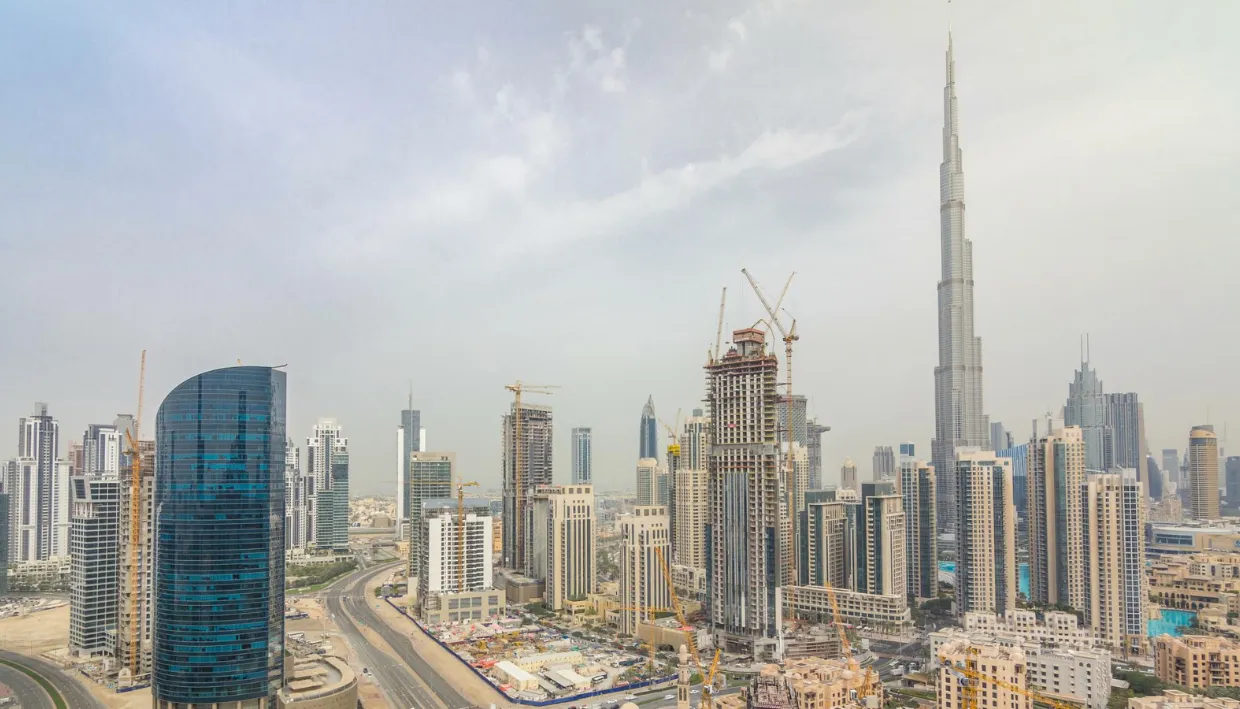
Short-term rentals, commonly referred to as holiday homes, include fully furnished apartments, villas, and townhouses rented for periods ranging from a few nights to several months. These properties appeal to tourists, business travellers, and residents seeking flexibility without committing to long-term leases.
Unlike annual rentals, holiday homes usually include utilities, internet, and cleaning services. Owners can reserve dates for personal use and adjust pricing seasonally. All short-term rental investment properties must be licensed through Dubai’s tourism authority before being listed.
In competitive buildings, quality furnishings and guest readiness often play a bigger role in performance than owners initially expect.
How Dubai Regulates Holiday Homes in 2026
Dubai operates a centralised and transparent regulatory system for short-term rentals, overseen by the Department of Economy and Tourism. Enforcement tightened through 2025, with increased scrutiny of online platforms and the removal of unlicensed listings.
Each holiday home must be registered, inspected, and renewed annually. Properties are classified as standard or deluxe, based on furnishings, amenities, and finish quality. QR code displays are now mandatory, allowing guests and authorities to verify compliance instantly.
Documents Required for Registration
To register a short-term rental investment property in Dubai, owners or authorised tenants must submit documentation confirming legal use and compliance. These documents are reviewed before approval and during annual renewals.
Required documents include:
- Emirates ID of the owner or authorised operator
- Title deed or registered Ejari contract
- No-objection certificate (NOC) from the landlord for subletting
- Property details including size, layout, and maximum occupancy
- Commercial trade licence if operating multiple units professionally
For subletting investors, obtaining the landlord’s NOC early can significantly reduce delays.
Registration Process Explained
Registering a short-term rental investment property in Dubai follows a clear, step-by-step process:
- Create an account on the tourism authority’s holiday homes portal
- Upload ownership or tenancy documentation
- Submit detailed property information
- Pay registration and licensing fees
- Schedule and pass a property inspection
- Receive the annual holiday home licence
Incomplete submissions can delay approval. In most cases, fully compliant properties are licensed within two weeks.
Costs, Fees, and Licensing Limits in 2026
Government fees represent the baseline cost of legally operating a holiday home:
| Fee Type |
Amount (AED) |
| Registration Fee |
1,500 |
| Knowledge Fee |
10 |
| Innovation Fee |
10 |
| Total |
1,520 |
Additional charges include Tourism Dirham fees per room, VAT on management services, and furnishing or maintenance costs. There is no personal income tax on rental earnings.
Tip: Private owners may register up to eight properties under one licence. Managing more than eight requires a commercial trade licence.

Why Investors Choose Short-Term Rentals
Short-term rentals provide income flexibility that long-term leasing cannot always match. Owners can adjust nightly rates, capitalise on peak seasons, and retain personal use of the property.
Well-managed units often achieve premium pricing due to quality furnishings, location, and service standards. Tenants benefit from furnished accommodation, predictable costs, and shorter commitments.
According to market insights, areas with strong tourism infrastructure continue to show stable occupancy and resilient pricing into 2026.
Also Read: Best areas to invest in Dubai real estate 2025 for high ROI
Demand Trends and Locations Shaping 2026
Dubai’s short-term rental market has matured significantly. Demand is increasingly driven by younger travellers, remote workers, and longer European winter stays.
While supply has grown moderately, booking platforms now prioritise licensed, professionally managed listings. As a result, quality properties outperform average units in visibility and occupancy.
Locations with year-round demand drivers, such as beaches, business hubs, and entertainment districts, remain the most consistent performers.
Income Potential and Yield Expectations
Income varies by location, property quality, and management strategy. In established tourist areas, average daily rates typically start around AED 600 and increase significantly for premium units.
Well-managed short-term rental investment property in Dubai can achieve gross yields approaching 9% in strong locations. While summer demand may soften, peak seasons often compensate through higher nightly rates.
Most upside comes from disciplined pricing, occupancy optimisation, and guest reviews rather than headline rates alone.

Managing a Short-Term Rental Successfully
Effective management is essential for sustained performance. Key operational elements include professional cleaning, responsive guest communication, regular maintenance, and dynamic pricing.
Many investors appoint licensed holiday home operators to manage bookings, compliance, and daily operations. Although management fees reduce net income slightly, professional oversight often improves occupancy, reviews, and asset condition.
Comprehensive insurance covering guest damage and third-party liability is strongly recommended, particularly for financed properties.
Key Takeaways
Short-term rental investment property in Dubai remains highly attractive in 2026 due to strong tourism demand, transparent regulation, and flexible income potential. Licensing costs are clear, private owners can manage up to eight units, and there is no personal income tax on earnings.
While active management is required, professionally run holiday homes in high-demand locations continue to deliver competitive returns compared to long-term leasing.
Looking to invest in high-performing short-term rental or distress properties in Dubai?
Explore verified below-market opportunities and investor-ready assets at Distress Property Finder.
Your trusted platform for smart, profitable UAE real estate investments.Explore more Dubai distress deals
Distress Properties · Communities · Areas in UAE · Developers · Guides