Top 10 Upcoming Mega Projects in Dubai 2026 and Beyond
Dubai’s upcoming mega projects highlight how the city continues to plan and scale for the long term. Closely aligned with Dubai Vision 2030 and the Dubai Economic Agenda D33, these developments focus on sustainability, next-generation infrastructure, tourism growth, and economic diversification beyond oil. From landmark skyscrapers to renewable energy and marine conservation, projects launching from 2026 onward are set to redefine Dubai’s urban experience.
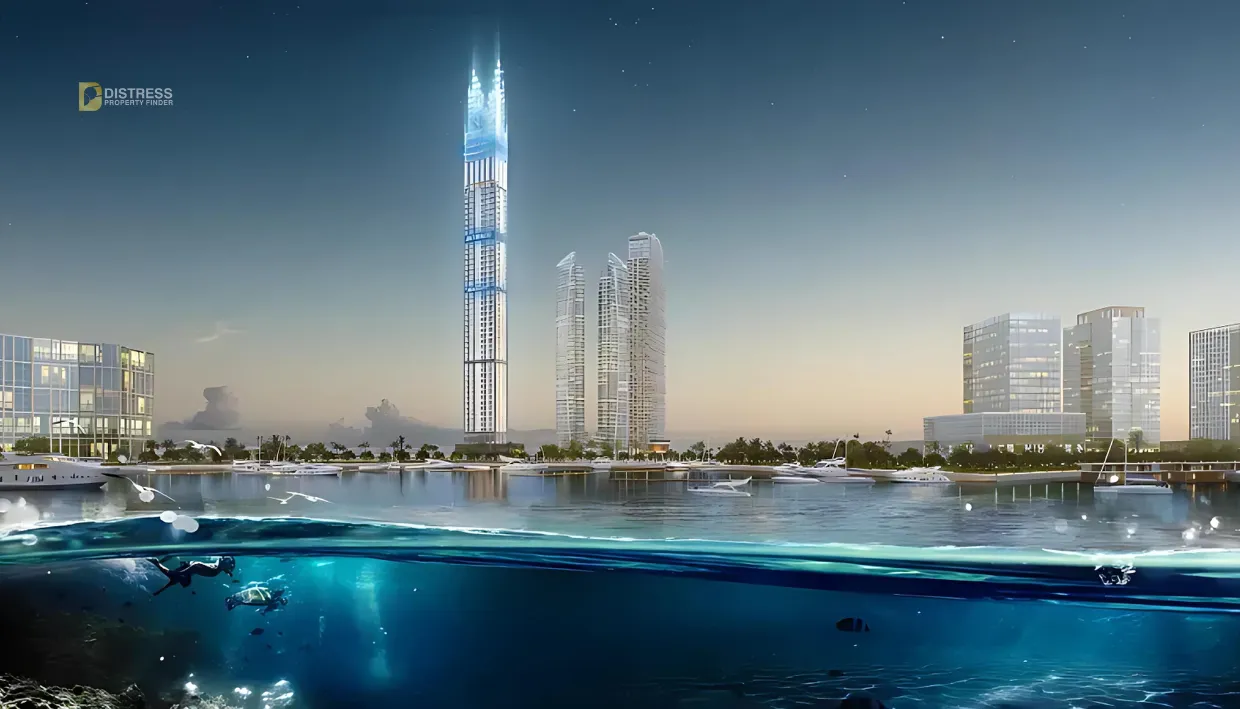
1. Burj Binghatti
Burj Binghatti is set to become the world’s tallest residential tower, rising over 550 metres in Business Bay. Developed by Binghatti Developers in collaboration with Jacob & Co, the project will feature ultra-luxury apartments and penthouses supported by smart building systems and energy-efficient design.
- Delivery: Q4 2026
- Starting Price: AED 9,200,000
- Unit Types: Apartments, penthouses
- Ownership: Freehold
- Location: Business Bay, Dubai
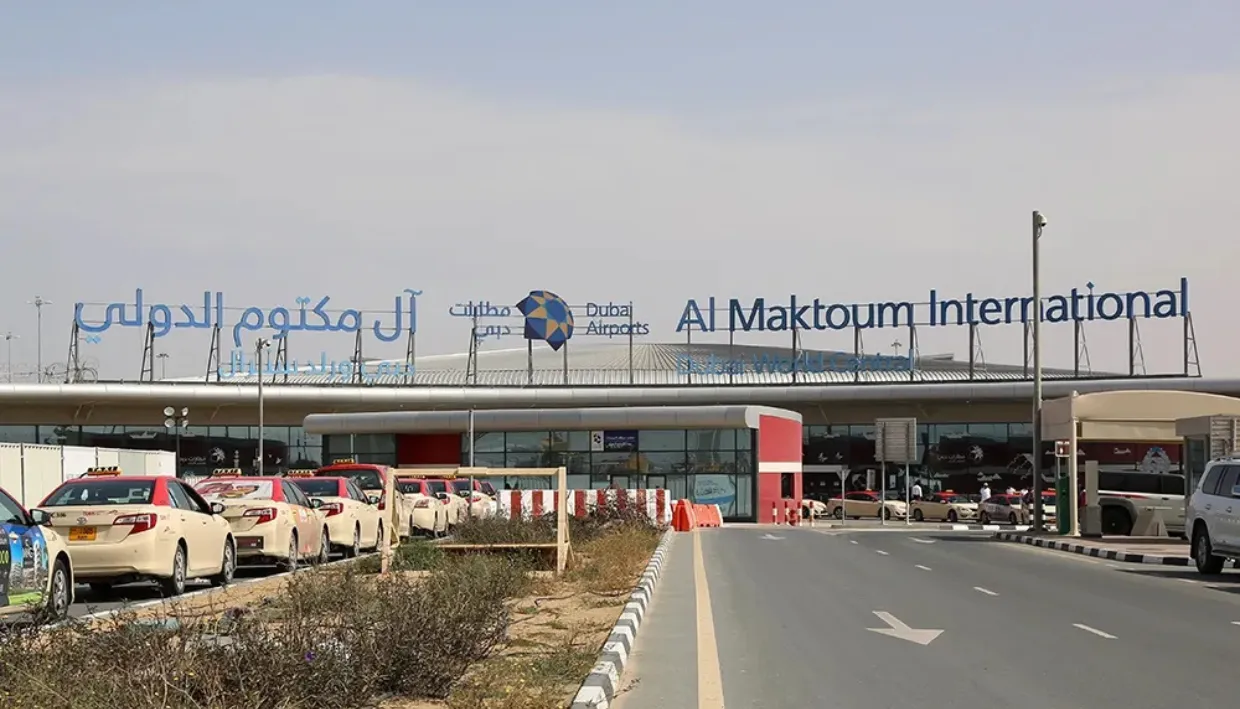
2. Al Maktoum International Airport Expansion
The expansion of Al Maktoum International Airport is among the region’s largest infrastructure investments. Valued at approximately USD 36 billion, the project aims to eventually handle over 200 million passengers annually by 2030. Post-2026 phases will continue shifting Dubai’s aviation centre southward, strengthening tourism, logistics, and trade.
- Location: Dubai South, Emirates Road
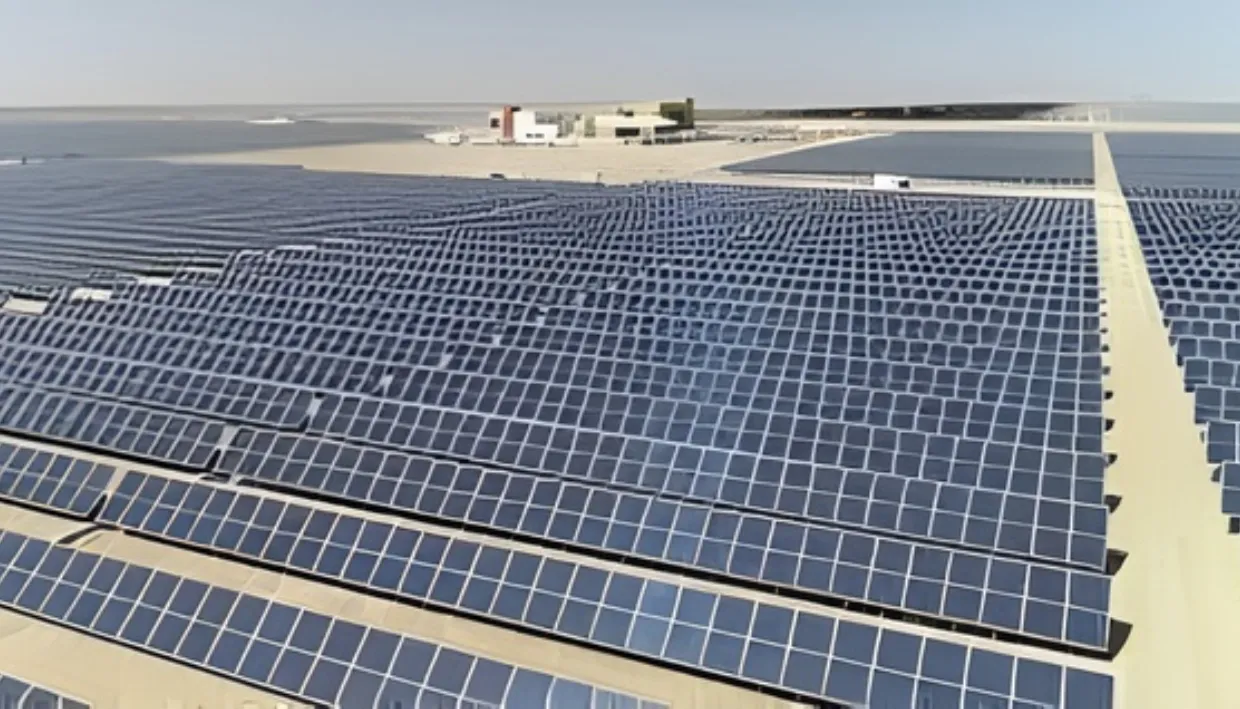
3. Mohammed bin Rashid Al Maktoum Solar Park
Mohammed bin Rashid Al Maktoum Solar Park continues its phased expansion, with major capacity additions planned beyond 2026. Targeting 5,000 megawatts by 2030, it remains the world’s largest single-site solar park and a cornerstone of the UAE Clean Energy Strategy 2050.
- Location: Saih Al Dahal, Dubai
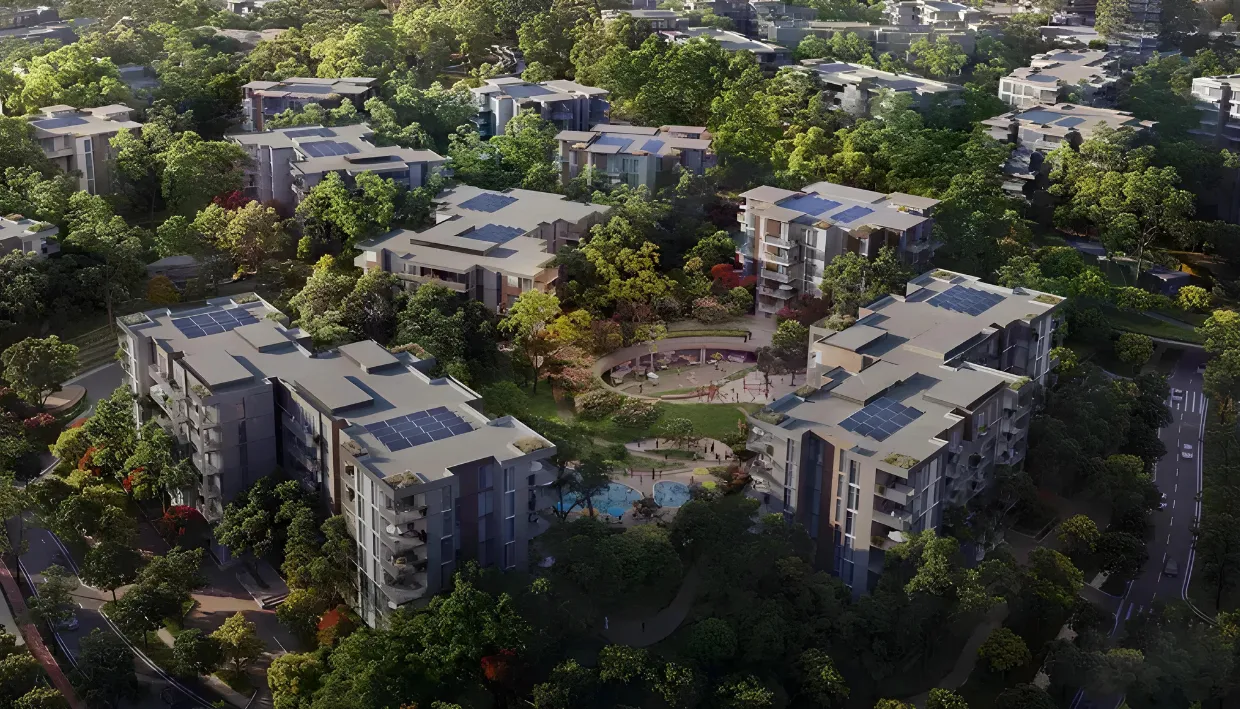
4. Ghaf Woods
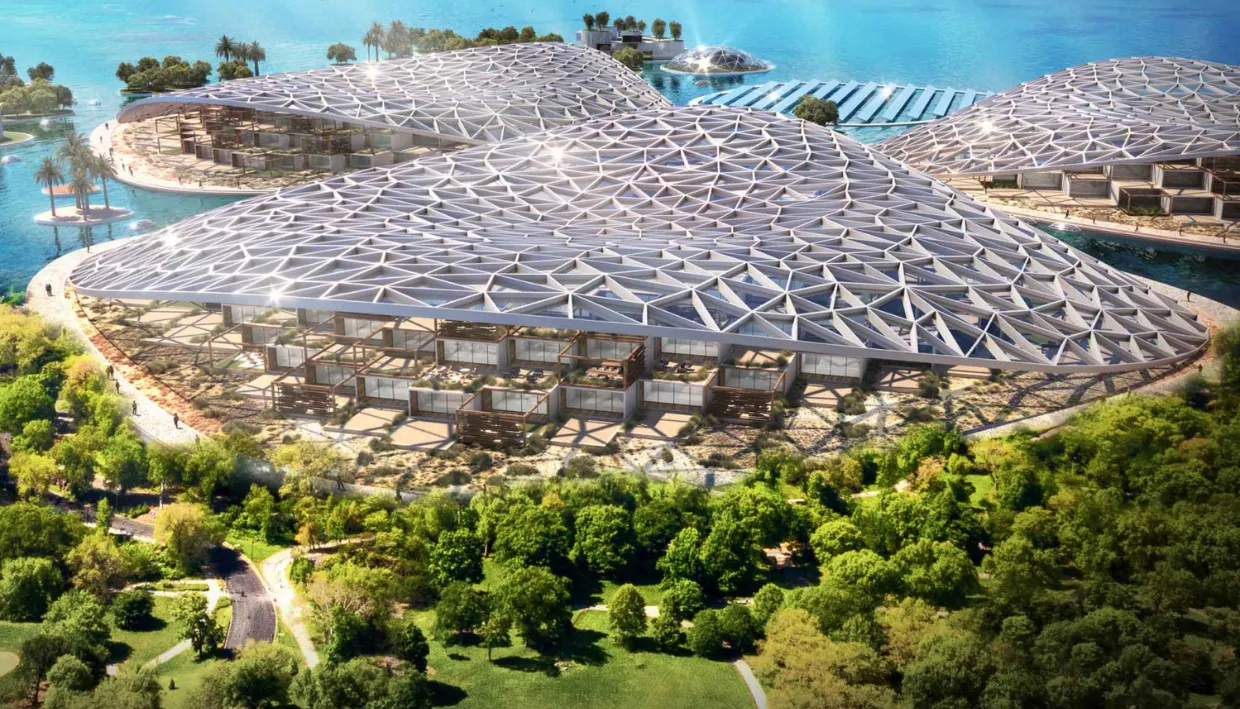
Therme Dubai – Islands in the Sky is planned as the Middle East’s largest wellness-focused urban destination, spanning nearly one million square metres. Facilities will include bio-enhanced pools, wellness therapies, botanical gardens, wave pools, and leisure attractions.
- Construction Start: Around 2026
- Phased Completion: 2028
- Location: Zabeel Park, Dubai
6. Dubai Reef
Dubai Reef is set to become the world’s largest marine reef development, spanning roughly 600 square kilometres. Artificial reef structures are being deployed to support marine biodiversity while strengthening coastal resilience.
- Completion Target: 2027
- Rollout: Extending into the 2030s
7. Dubai Harbour Expansion
ases include marina space for over 1,000 yachts, expanded cruise terminals, and new retail and hospitality zones.
- Location: Between Palm Jumeirah and Bluewaters Island
8. Flying Taxis and Vertiports
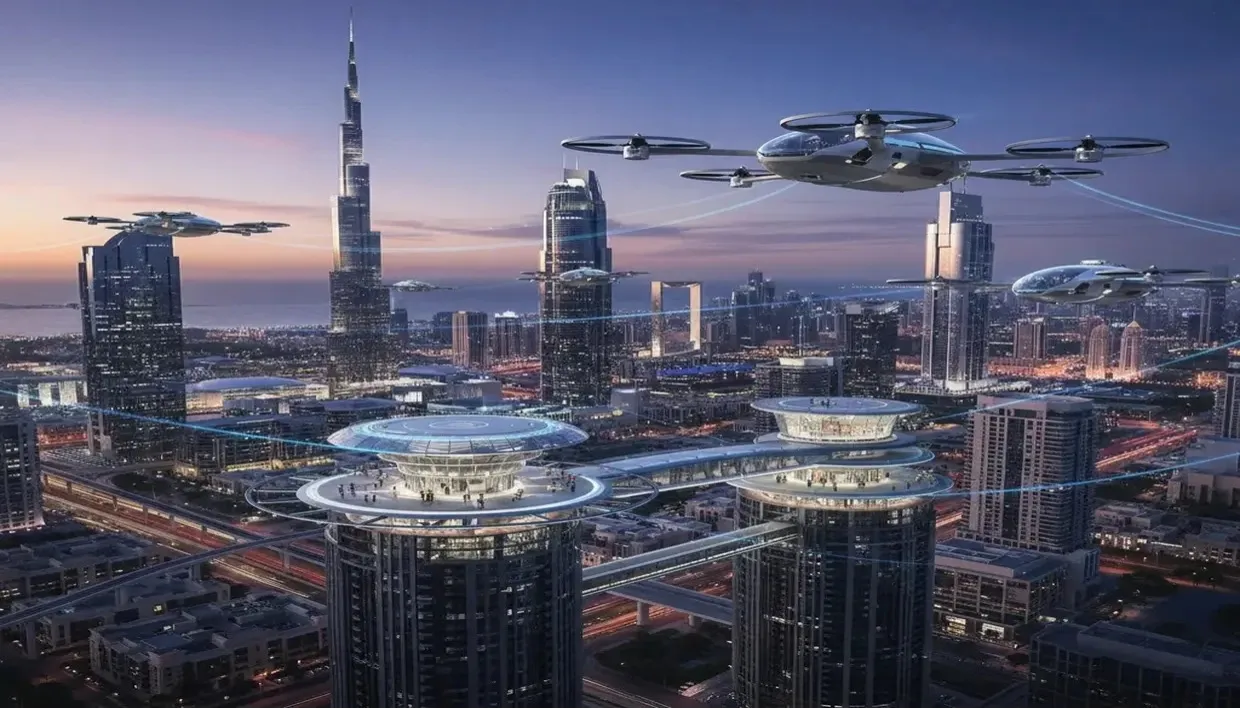
Dubai’s urban air mobility programme will introduce electric flying taxis supported by a network of vertiports near Dubai International Airport, Palm Jumeirah, and key business districts. Initial services are expected from 2025, with broader integration and route expansion after 2026.
9. Dubai Loop
Announced during the World Government Summit, Dubai Loop is being developed by The Boring Company in partnership with Dubai’s Roads and Transport Authority. The initial 17-kilometre phase will include 11 underground stations and is expected to begin operations by mid-2026.
10. Dubai Museum of Art
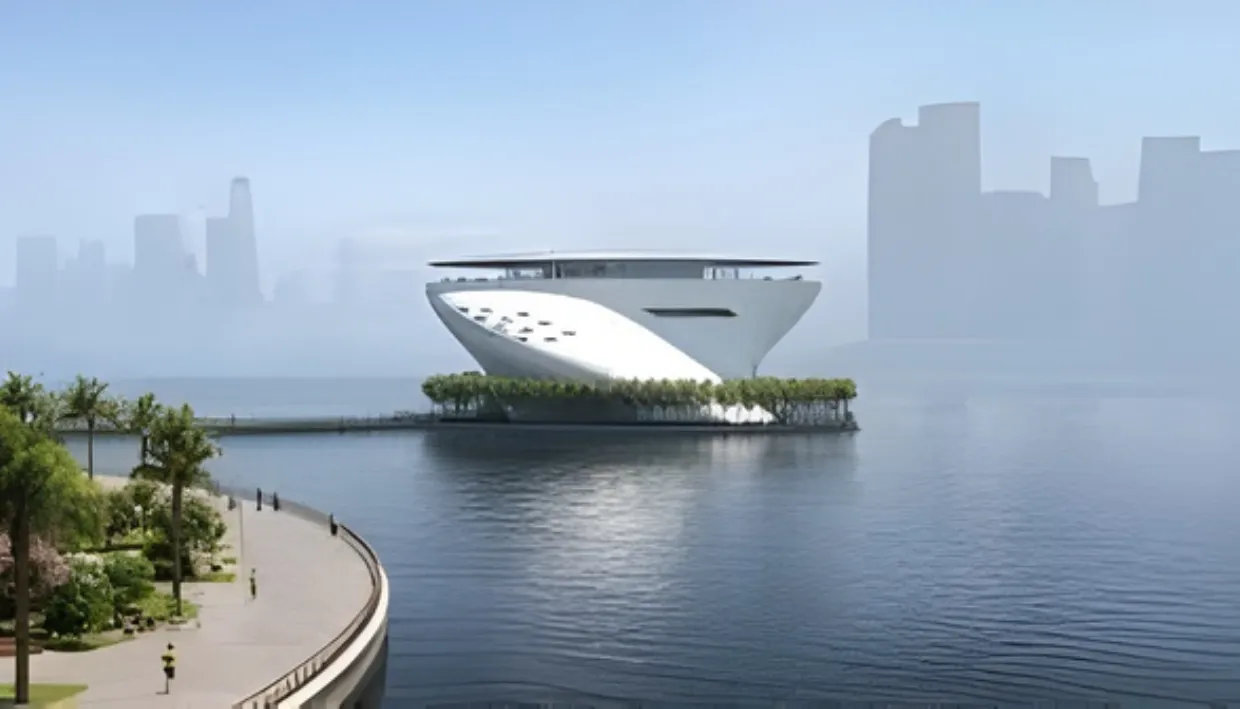
The upcoming Dubai Museum of Art, designed by Tadao Ando, will be an innovative floating cultural landmark. Developed by Al-Futtaim Group, the project was announced in 2025, with timelines yet to be confirmed.
Key Features and Impact of Dubai’s Mega Projects
Sustainability Focus
Developments such as the Solar Park and Ghaf Woods support national targets to achieve 75% clean energy by 2050. Green building systems and biodiversity-led planning are becoming standard.
Economic Growth
Under the D33 agenda, Dubai aims to double its economy to AED 32 trillion by 2033. Aviation, tourism, renewable energy, and technology projects are key growth drivers.
Innovation and Smart Cities
Autonomous transport, smart infrastructure, and data-driven urban planning underpin these developments. Dubai targets 25% autonomous mobility by 2030.
Key Takeaways
Dubai’s upcoming mega projects focus on scale, sustainability, and technology-led living, backed by over USD 100 billion in combined public and private investment. Green energy, aviation, and marine initiatives support long-term economic diversification, while phased timelines reflect the complexity of building future-ready cities.Explore more Dubai distress deals
Distress Properties · Communities · Areas in UAE · Developers · Guides