
Jumeirah Lake Towers
Distress Properties Listed in Jumeirah Lake Towers (1)
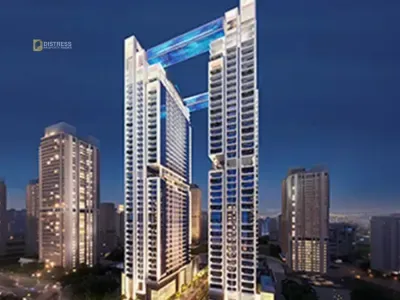
Jumeirah Lake Towers Community Guide
JUMEIRAH LAKE TOWERS (JLT) DUBAI — THE COMPLETE 2026 GUIDE FOR BUYERS, INVESTORS & DISTRESS PROPERTY HUNTERS
There is a reason that more than 35,000 residents chose Jumeirah Lake Towers as their home, and more than 26,000 businesses chose it as their address. It is not the lowest-cost option in Dubai. It is not the most glamorous. It is something far more commercially valuable than either of those things: it is the community that makes sense.
Jumeirah Lake Towers makes sense for the professional who needs to be at DMCC or Dubai Media City or Knowledge Village by 9am. It makes sense for the investor who wants 7–8% gross rental yields from a metro-connected, lake-facing apartment in a community where demand from working professionals never goes soft. It makes sense for the first-time buyer who wants a genuine, walkable, lakeside neighbourhood without paying Dubai Marina prices. And it makes sense for the experienced investor who understands that the biggest distress deal opportunity in Dubai is not always the most expensive market — it is the one where quality assets are held by motivated sellers who need to exit at the right price.
Jumeirah Lake Towers — universally called JLT — is a 200-hectare master-planned mixed-use free zone and residential community positioned directly opposite Dubai Marina on Sheikh Zayed Road. It has 87 towers, 26 clusters (labelled A through Z), three man-made lakes, a 7-kilometre promenade, a central park, the headquarters of the DMCC (Dubai Multi Commodities Centre, ranked the world's number one free zone for eight consecutive years by the Financial Times fDi Intelligence), and a community character that is genuinely different from every other premium Dubai address.
In 2026, JLT's average price per sqft reached AED 1,960 in Q1 — up 8–10% year-on-year. Gross rental yields of 6–9% are available to investors who select well. A new wave of premium launches — Sobha Verde, Viewz by Danube, Mercer House by Ellington, W Residences JLT, Marriott Residences — is reshaping the district's upper price tier. And the forthcoming Uptown Dubai development, anchored by the 711-metre Burj 2020 tower, is positioning JLT's broader ecosystem for a structural value step-change that will benefit all existing stock.
This is the complete guide. Every cluster. Every major tower. Every price and yield data point. Every investment metric. Every honest risk. And throughout — a detailed analysis of why JLT produces one of Dubai's most consistent and most accessible distress property markets, and how DistressPropertyFinder.com is the right platform to access it.
What Is JLT?
The Basics: Dubai's Working City Within a City
Jumeirah Lake Towers is a master-planned mixed-use development covering 200 hectares of land along Sheikh Zayed Road, directly opposite Dubai Marina. It was developed by the Dubai Multi Commodities Centre (DMCC) — the government free zone authority established in 2002 — and completed to approximately 80% of its current configuration by 2011. The community continues to evolve with new launches and infrastructure upgrades through 2026 and beyond.
JLT contains 87 tower blocks arranged in 26 clusters (each cluster typically comprising three towers), built around three man-made lakes — Lake Almas West, Lake Almas East, and JLT Lake — and a large central park created on the site of a fourth lake that was drained and converted to green space. The 7-kilometre lakeside promenade connects the entire community and is the shared social spine that gives JLT its distinctive walkable character.
The community is simultaneously:
- A residential community of 35,000+ residents in studios through 4-bedroom apartments and penthouses
- A business district and free zone home to 26,000+ registered companies including Fortune 500 subsidiaries, commodity traders, tech firms, crypto companies, and startups
- A lifestyle destination with 200+ dining and retail outlets across the cluster promenades
- A hotel hub with Bonnington, Mövenpick, Pullman, and Taj hotels serving business travellers and longer-stay guests
This layered character — residential, commercial, retail, and hospitality simultaneously — is what gives JLT its persistent rental demand. A community where residents also work, shop, and eat within walking distance of their home generates tenant demand that does not depend on a single employer, single industry, or seasonal tourism pattern.
Key Statistics: JLT in 2026
| Metric | Data |
|---|---|
| Total Area | 200 hectares |
| Developer | DMCC (Dubai Multi Commodities Centre) |
| Location | Sheikh Zayed Road, opposite Dubai Marina |
| Towers | 87 completed towers across 26 clusters |
| Clusters | A through Z (26 named clusters) |
| Residents | 35,000+ |
| Registered DMCC Companies | 26,000+ |
| Lakes | 3 man-made lakes + central park |
| Promenade Length | ~7 kilometres |
| Metro Stations | 2 — DMCC (Red Line) and Sobha Realty (Red Line) |
| Avg Price/sqft (Q1 2026) | AED 1,960 |
| Avg Apartment Sale Price | AED 1.93 million–2.25 million (community avg) |
| Gross Rental Yield | 6–9% (varies by unit type and building) |
| Average ROI | 7.5% |
| YoY Price Growth (projected 2026) | 8–10% |
| Freehold Status | Yes — all nationalities |
| Distance to Dubai Marina | ~8–10 minutes by car |
| Distance to Downtown Dubai | ~20 minutes by car |
| Distance to DXB Airport | ~30–35 minutes |
| Distance to JBR Beach | ~10 minutes by car |
| DMCC Free Zone Ranking | #1 globally for 8 consecutive years (FT fDi Intelligence) |
The Community Character: What JLT Actually Feels Like
JLT has a quality that long-term residents describe consistently: it is real. Not a resort development. Not a tourist destination. Not a gated enclave for the ultra-wealthy. A genuine working neighbourhood where the people who live there also work nearby, eat at the restaurants on the promenade, use the lakeside gym, walk their dogs around the water, and have the kind of daily routines that build genuine community.
This community reality is commercially significant for investors. Demand for JLT rentals is not driven by tourism cycles or sentiment about Dubai's luxury market. It is driven by the straightforward, persistent fact that tens of thousands of people work in DMCC, Dubai Media City, Internet City, Knowledge Village, and the broader Sheikh Zayed Road corridor — and JLT is the most walkable, most metro-connected, most lifestyle-complete place to live within that working geography.
The lake promenade is the community's social heart. On weekday evenings, it fills with residents jogging, walking dogs, sitting at waterfront cafes, or attending the yoga sessions and community events that the park's management regularly organises. On weekends, the energy is more relaxed but still genuinely present in a way that sealed-tower residential communities without this kind of shared public space cannot replicate.
The Developer — DMCC and the Government Free Zone Framework
Who Is DMCC?
The Dubai Multi Commodities Centre (DMCC) is both the master developer of JLT and the free zone authority that governs the district's commercial ecosystem. Established in 2002 by royal decree of His Highness Sheikh Mohammed bin Rashid Al Maktoum, DMCC was created to promote Dubai as a global commodities trading hub. Its mandate expanded over time into a broad-based free zone for business across sectors.
DMCC's commercial achievements are extraordinary by any measure:
- #1 free zone globally for eight consecutive years (Financial Times fDi Intelligence)
- 26,000+ registered companies from over 170 nationalities
- Sectors spanning gold and diamond trading, energy, agricultural commodities, technology, crypto, financial services, and media
- Almas Tower — DMCC's 66-storey headquarters — houses the Dubai Diamond Exchange, Dubai Pearl Exchange, secure gold and diamond vaults, and the Almas Conference Centre. Almas Tower is on its own artificial island at the centre of JLT, the tallest building in the district.
In 2020, the Investment Corporation of Dubai (ICD) — the Dubai government's sovereign wealth fund — became the parent company of DMCC. This restructuring placed DMCC directly within the Dubai government's sovereign investment architecture, giving the JLT community's master developer the same implicit government backing that characterises other ICD-backed entities.
What DMCC's Government Backing Means for JLT Property Buyers
The DMCC and its parent ICD represent genuine government backing for JLT's master community infrastructure — not just in the sense of brand credibility but in the practical sense of community management continuity. The lakes, promenades, parks, and shared infrastructure of JLT are maintained by a government entity with long-term institutional commitment to the district's quality and reputation.
For property investors, this matters because the community infrastructure that supports rental demand — walkable promenades, well-maintained lakes, functioning parks, consistent security — is not dependent on a single private developer's financial health. DMCC's government structure provides a structural floor under the community management quality that private developers in comparable communities cannot offer.
JLT's Physical Layout — The 26 Clusters, The Lakes, The Promenade
Understanding the Cluster Structure
JLT's 26 clusters (A through Z) each typically contain three towers — one residential, one commercial, and one mixed-use, though the precise mix varies by cluster. The clusters are arranged around the three lakes and the central park, creating a continuous lakeside environment across the entire district.
For buyers and investors, cluster position matters significantly. The key variables are:
- Lake-facing vs. non-lake-facing: Lake-facing towers command a consistent 10–20% premium over equivalent non-lake-facing stock in the same cluster. Lakeside views are the most commercially significant differentiator within JLT, equivalent in function (if not scale) to the sea view premium in beachfront communities.
- Metro proximity: Clusters near the DMCC Metro Station (Cluster D and surrounding) and Sobha Realty Metro Station (Cluster S and surrounding) command a premium for walk-to-metro convenience. The DMCC station is particularly significant — it connects via an air-conditioned pedestrian footbridge to the Dubai Tram, providing onward access to JBR, Dubai Marina, and the Palm Jumeirah Monorail.
- Promenade access: Ground-floor clusters with direct promenade access and lakeside F&B are the most lifestyle-complete positions in the community.
The Most Investment-Relevant Clusters
Cluster D — Home to Saba Tower 1, 2, and 3 (original JLT towers, first completed in 2006). The cluster anchors the area around the DMCC Metro Station. Saba Tower 4 (nearby Cluster Q) averages AED 2.9 million — reflecting the metro-proximity premium. Well-established secondary market, active rental demand, good value entry.
Cluster S — Location of Green Lakes Towers, proximate to the Sobha Realty Metro Station. Green Lakes is known for quality finishing above the JLT average; 1BR units listing around AED 1.48 million represent strong value entry for metro-walk investors.
Cluster L — Contains Me Do Re Tower, one of JLT's most architecturally distinctive buildings and home to some of the district's premium lakeside units. Luxury 3-bedroom units reach AED 3.25 million.
Cluster Z — Golf Views Seven City is here, attracting investors with high transaction volumes and competitive pricing averaging AED 848,639 for certain unit types — among the most accessible entry points in the community.
Cluster K — Viewz by Danube Properties is in this cluster, a newer high-end development with prices from AED 890,000 to AED 15 million, representing the new generation of premium JLT product.
Cluster Q — Saba Tower 4 (adjacent); also location of Diamondz by Danube (65-storey, ~1,200 units, studios to 4BR, starting AED 1.1 million).
Uptown Dubai area — The boundary cluster area adjacent to the Uptown Dubai development site (including Mercer House by Ellington, SO/ Uptown Dubai, and other premium launches). Properties here average AED 3.24 million reflecting the Uptown premium positioning.
Key Buildings and Towers
The Original JLT Stock (2006–2012)
The original JLT towers — Saba, Armada, Lake Point, Lakeside Tower, Lake City Tower, Lake Shore Tower, Bonnington, and others — form the community's established secondary market base. These towers were built between 2006 and 2012, house the majority of JLT's 35,000+ residents, and provide the rental market depth that makes JLT one of Dubai's most liquid mid-market communities.
Original stock characteristics:
- Unit sizes typically 370–1,800 sqft
- Build quality varying significantly by developer and tower
- Service charges AED 12–18/sqft per year (lower than premium towers)
- Strong rental demand driven by DMCC proximity and metro access
- Active secondary market with consistent DLD transaction volumes
Key original towers worth understanding for investors: Saba Tower series (Cluster D — longest operating history, highest transaction volume); Armada Tower series (Cluster P — good community and retail activation); Lake Point Tower and Lakeside Tower (lake-facing, consistent premium over equivalent cluster stock); Bonnington Tower (hotel apartment building, well-managed, STR-compatible).
New Generation Premium Launches (2023–2026)
A wave of new, premium-specification towers has launched in JLT since 2023, establishing a new upper price tier and demonstrating significant developer confidence in the district's appreciation trajectory.
Sobha Verde — A 59-storey tower by Sobha Realty in Cluster J, offering 1–3 bedroom apartments with panoramic lake and skyline views. Starting price approximately AED 1.95 million (USD 531,000). Completing Q2 2027. Sobha's reputation for premium build quality and high-specification finishes — 20–30% above the JLT standard — makes Verde a significant new benchmark for the district.
Viewz by Danube (Cluster K) — Multi-building development completing Q2 2026. Prices from AED 890,000 to AED 15.07 million. Modern living areas with resort-style facilities. One of the most notable new launches in JLT for entry-level through premium investors.
Diamondz by Danube — 65-storey tower, ~1,200 units, studios to 4BR. Starting at approximately AED 1.1 million. Completing 2026–2027. One of the largest single launches in JLT's recent history.
Mercer House by Ellington — Premium residential development combining Ellington's signature design quality (Italian marble, high ceilings, premium finishes) with JLT's lakeside location and metro connectivity. Positioned for professionals and executives seeking quality above the JLT standard.
W Residences JLT (DMCC x Marriott International partnership) — W Hotels-branded residences within the JLT community. Luxury serviced residences with W brand management. Signals the arrival of global branded hotel residence product within JLT at a level previously confined to Downtown Dubai, JBR, and Dubai Harbour.
Marriott Residences JLT — 51-storey branded residential project. 1–3BR apartments from AED 1.99 million to AED 5.82 million. Marriott International's first branded residence in JLT — a significant demand-signalling development.
Uptown Dubai (SO/ Uptown Dubai, Mercer House) — The premium cluster adjacent to the Uptown Dubai masterplan, featuring SO/ Uptown Dubai (Sofitel's boutique brand) and related residential product. Average transaction price in this zone: AED 3.24 million.
JLT Property Prices in 2026
Complete Price Guide
| Property Type | Entry Price (AED) | Average Price (AED) | Top End (AED) |
|---|---|---|---|
| Studio (original stock) | 460,000 | 700,000 | 1,000,000+ |
| Studio (premium new towers) | 890,000 | 1,200,000 | 1,800,000 |
| 1-Bedroom (original stock) | 670,000 | 1,050,000 | 1,800,000 |
| 1-Bedroom (lake view, established) | 900,000 | 1,400,000 | 2,200,000 |
| 1-Bedroom (premium new) | 1,600,000 | 2,100,000 | 3,300,000 |
| 2-Bedroom (original stock) | 1,100,000 | 1,800,000 | 3,000,000 |
| 2-Bedroom (lake view) | 1,500,000 | 2,200,000 | 4,500,000 |
| 2-Bedroom (premium new) | 2,200,000 | 3,200,000 | 6,000,000 |
| 3-Bedroom (original stock) | 1,800,000 | 2,800,000 | 4,500,000 |
| 3-Bedroom (premium new) | 2,900,000 | 4,000,000 | 8,000,000+ |
| Penthouse (3–5BR) | 2,900,000 | 5,000,000 | 15,000,000+ |
| Marriott Residences (1BR) | 1,990,000 | 3,000,000 | 5,820,000 |
| Sobha Verde (1BR) | 1,950,000 | 2,400,000 | 4,500,000 |
Community-Wide Market Metrics (2026)
| Metric | Data |
|---|---|
| Average sale price (community avg) | AED 1.93 million–2.25 million |
| Average price per sqft (Q1 2026) | AED 1,960 |
| YoY price increase projection | 8–10% (Engel & Völkers) |
| Premium/luxury property price increase (2024) | 20% (Global Property Guide) |
| Average gross rental yield | 6–9% |
| Average ROI | 7.5% |
| 1BR highest ROI achievable | Up to 17% (specialist sources) |
| Studio annual rent range | AED 60,000–80,000 |
| 1BR annual rent range | AED 85,000–160,000 |
| 2BR annual rent range | AED 110,000–220,000 |
| 3BR annual rent range | AED 160,000–320,000 |
| Service charges | AED 12–20/sqft per year |
Price Per Square Foot by Product Tier
| Product Tier | Price/sqft (AED) | Notes |
|---|---|---|
| Original stock (non-lake view) | 1,100–1,600 | Strong value; active secondary market |
| Original stock (lake view, established) | 1,400–2,000 | Lake premium consistent |
| Metro-proximate (DMCC, Sobha Realty walk) | 1,500–2,200 | Metro premium documented |
| Sobha Verde | 2,000–3,000 | Sobha quality premium |
| Mercer House / Ellington | 2,200–3,500 | Designer finishes |
| W Residences / Marriott | 2,500–4,000 | Branded hotel premium |
| Almas Tower (commercial) | 3,000–4,500 | Commercial DMCC freehold |
| Uptown Dubai zone | 2,500–4,500 | Proximity to Burj 2020 |
| Premium penthouses | 3,000–6,000+ | Best floors, lake views |
JLT vs Other Dubai Communities — The Honest Comparison
Where JLT Fits in Dubai's Investment Ecosystem
| Factor | JLT | Dubai Marina | Downtown Dubai | Dubai Hills | Business Bay |
|---|---|---|---|---|---|
| Entry Price (1BR) | AED 670K–1.5M | AED 1.1M–2.5M | AED 1.8M–3M | AED 1.1M–2M | AED 900K–1.8M |
| Gross Yield | 6–9% | 5.5–7.5% | 5.5–8.5% | 5.5–7.5% | 6–8% |
| Metro Access | ★★★★★ | ★★★★★ | ★★★★★ | ★☆☆☆☆ | ★★★★☆ |
| Lake / Water Views | ★★★★☆ | ★★★★★ | ★★★☆☆ | ★★★★☆ | ★★★☆☆ |
| DMCC Free Zone Access | ★★★★★ | ★★☆☆☆ | ★★★☆☆ | ★☆☆☆☆ | ★★★☆☆ |
| Capital Appreciation | ★★★★☆ | ★★★★☆ | ★★★★☆ | ★★★★★ | ★★★★☆ |
| Community/Lifestyle | ★★★★☆ | ★★★★★ | ★★★☆☆ | ★★★★★ | ★★★☆☆ |
| Walkability | ★★★★☆ | ★★★★★ | ★★★★☆ | ★★☆☆☆ | ★★★★☆ |
| Price vs Value | ★★★★★ | ★★★☆☆ | ★★★☆☆ | ★★★★☆ | ★★★★☆ |
| Distress Availability | ★★★★★ | ★★★★☆ | ★★★☆☆ | ★★★★☆ | ★★★☆☆ |
Why JLT Beats Dubai Marina for Yield-Focused Investors
Dubai Marina's iconic waterfront, marina canal, and beach proximity make it one of Dubai's most desirable lifestyle addresses. But for investors targeting yield:
- JLT's gross rental yields of 6–9% consistently outperform Marina's 5.5–7.5% across comparable unit types
- JLT's entry prices are 20–25% lower than Marina for equivalent bedrooms, meaning more capital efficiency per dirham invested
- JLT's tenant pool — driven by DMCC, Media City, and Knowledge Village professionals — is stable and year-round in a way that Marina's tourist-adjacent demand is not
- Service charges in JLT (AED 12–20/sqft) are structurally lower than Marina's premium tower service charges (AED 14–25/sqft), improving net yield mathematics
- JLT has equivalent metro connectivity to Marina — two stations vs. Marina's two stations, with similar travel times to key destinations
Why JLT Is the Right First Investment for Many International Buyers
For international buyers entering the Dubai market for the first time, JLT offers something unique: the combination of metro connectivity, proven yield, and a price point that makes financial sense without requiring the capital commitment of Downtown Dubai or the complexity of Dubai Harbour.
A 1-bedroom JLT apartment at AED 900,000–1.2 million with a 7.5% gross yield generates approximately AED 67,500–90,000 annually in rental income. At AED 12/sqft service charge on a 900 sqft unit, the annual service charge is AED 10,800. Net yield: approximately AED 57,000–79,000 — a 6–7% net yield on a below-AED 2 million investment in a metro-connected Dubai community. That is an exceptional risk-adjusted return by any global property market standard.
Rental Yields and Investment Returns
What JLT Actually Returns to Investors
JLT is one of Dubai's most consistent yield-generating communities. The combination of DMCC free zone employment, metro connectivity, lakeside lifestyle, and competitive entry pricing creates structural rental demand that sustains occupancy and rent levels regardless of broader Dubai market cycles.
| Property Type | Gross Yield Range | Net Yield (est.) | Best Clusters |
|---|---|---|---|
| Studio (established) | 7.5–9% | 6–8% | Z (Golf Views), R, any DMCC-proximate |
| 1BR (original stock) | 7–8.5% | 5.5–7.5% | D (Saba), S (Green Lakes), L (Me Do Re) |
| 1BR (lake view) | 6.5–8% | 5–7% | Lakeside clusters, lake-facing positions |
| 2BR (original stock) | 6–7.5% | 4.5–6.5% | Cluster P, D, Q |
| 2BR (premium new) | 5.5–7% | 4–6% | Sobha Verde, Viewz, Mercer House |
| 3BR | 5.5–6.5% | 4–5.5% | Me Do Re, premium clusters |
| Penthouse | 4.5–6% | 3–5% | Best lake/skyline view floors |
| Marriott / W branded | 5.5–7.5% | 4–6% | Branded management enhances occupancy |
Rental Market Data (Early 2026)
- Studio: AED 60,000–80,000 annually; lakeside units at upper end
- 1BR: AED 85,000–160,000 annually; average AED 130,000 for quality 1BR
- 2BR (lake view): AED 110,000 per year consistent occupancy (85%+ cited)
- 3BR: AED 160,000–320,000 annually depending on quality and view
- Monthly STR: AED 31,000 monthly (community average across all types — above UAE national mean)
Key occupancy driver: Lakeside 2BR units average AED 110,000 per year with consistent 85%+ occupancy — a data point that reflects the structural demand stability that DMCC employment and metro connectivity provide regardless of Dubai's seasonal tourism patterns.
Service Charges: The Net Yield Calculation
Service charges in JLT are among the most competitive for a metro-connected Dubai community:
- Established towers (original stock): AED 12–15 per sqft per year
- Mid-tier established: AED 15–18 per sqft per year
- Premium new launches: AED 18–25 per sqft per year
On a 900 sqft 1BR at AED 14/sqft, annual service charge is AED 12,600 — a manageable deduction that preserves strong net yields even on modestly priced units. This service charge efficiency versus comparable communities is a meaningful net yield advantage.
The Total Return Case for JLT
Illustrative Example — JLT 1BR, Lake View, Established Cluster
Purchase price (2021): AED 900,000 Current market value (2026): AED 1,050,000 (+17% — per market data) Annual rental income (at 7.5% gross on current value): AED 78,750/year Total rental income over 5 years: ~AED 340,000 Capital gain: AED 150,000 Combined total return: ~54% over 5 years on initial investment
Illustrative Example — JLT Studio, DMCC Metro-Proximate
Purchase price (2022): AED 600,000 Current market value (2026): AED 780,000 (+30% appreciation) Annual rental income (at 9% gross): AED 70,200/year Total rental income over 4 years: ~AED 240,000 Capital gain: AED 180,000 Combined total return: ~70% over 4 years on investment
Note: Illustrative based on observed market data. Not guaranteed returns. Individual performance varies by building, view, management, and market conditions.
Short-Term Rental Performance in JLT
JLT's Growing STR Market
JLT is not Dubai's premier STR market — that distinction belongs to Downtown Dubai, Dubai Marina, and JBR. But JLT's STR market is real, growing, and specifically strong in two segments: waterfront lake-view units and corporate short-stay apartments serving the DMCC business community.
The DMCC's 26,000+ registered companies generate constant corporate short-stay demand — executives and consultants visiting Dubai for business who want a serviced apartment in a DMCC-adjacent location rather than a hotel room. This corporate demand sustains STR occupancy through the year, including the Dubai summer months (June–September) when leisure tourist STR markets experience seasonal dips.
STR Performance Data
| Property Type | Peak Daily Rate (AED) | Annual Occupancy | Gross STR Yield |
|---|---|---|---|
| Studio (DMCC-adjacent, furnished) | 250–500 | 70–78% | 8–12% |
| 1BR (lake view, furnished) | 350–700 | 68–76% | 8–11% |
| 1BR (corporate-grade, Bonnington-style) | 400–800 | 72–80% | 8.5–12% |
| 2BR (lake view, furnished) | 550–1,000 | 65–73% | 7–10% |
| Branded residences (Marriott/W) | 600–1,200 | 72–82% | 7.5–11% |
Short-term rentals are also on the rise in JLT, with waterfront views and city accessibility making it a favourite among digital nomads and corporate travellers. The branded hotel residence products (W Residences, Marriott Residences) are specifically designed to optimise STR performance through professional hotel management infrastructure.
The Lifestyle Infrastructure
The Lakes and Promenade — JLT's Social Heart
JLT's three lakes — Lake Almas West, Lake Almas East, and JLT Lake — and the 7-kilometre promenade that encircles them are the community's defining public amenity. Unlike comparable assets in other Dubai communities that feel designed for visual appeal rather than actual use, JLT's promenade is genuinely active because of the community's density and the integration of residential, commercial, and retail uses around it.
The promenade hosts morning joggers, midday dog walkers, evening families, weekend yoga and fitness classes, and the regular community events (food festivals, art markets, outdoor film screenings) that DMCC organises to sustain the district's neighbourhood character. The lakeside restaurants and cafes that line the promenade's F&B clusters turn the waterfront into an activated social environment in the evenings and on weekends.
For investors, the promenade's functional activation is a rental demand driver that sustains demand from tenants who specifically choose JLT for its community character — a more stable and less price-elastic demand than purely infrastructure-driven tenants who might move for a cheaper option elsewhere.
JLT's Central Park — The Green Premium
The JLT Central Park, created on the site of the drained fourth lake, provides 55,000 square metres of green space at the heart of the community. In a city where urban parkland of this quality and scale is rare, the park represents a genuine lifestyle differentiator — and it has a documented positive effect on rental values for towers with park-facing orientations.
The park hosts yoga workshops, sports fields, children's play areas, and weekend community events. Its maintenance by DMCC to a consistent standard reflects the same government commitment to quality that characterises the broader community management.
Almas Tower — The Commercial Landmark
Almas Tower is the 66-storey centrepiece of JLT, sitting on its own artificial island at the centre of the development. It houses the DMCC headquarters, the Dubai Diamond Exchange, the Dubai Pearl Exchange, secure gold and diamond vaults, and the Almas Conference Centre. It is the world's 31st tallest structure at the time of its completion.
For JLT residents and commercial tenants, Almas Tower is both a visual landmark and a functional hub — the physical embodiment of the DMCC free zone's commercial significance and a daily reminder that JLT is a community with genuine international business infrastructure at its core.
The Dining Scene — 200+ Outlets Across the Clusters
JLT has developed one of Dubai's most diverse mid-price-range dining ecosystems — over 200 restaurants, cafes, bars, and eateries spread across the cluster promenades. The range spans international cuisines: Wokyo Noodle Bar for Asian fusion, Mythos for Greek, McGettigan's for the Irish pub experience, Rohini by Little Miss India, and dozens of cafes serving the morning professional commuter market.
This F&B depth sustains the promenade's activation and, by extension, sustains the community's liveability appeal that keeps residential rental demand strong through the year.
Knowledge Park and Educational Institutions
Directly across Sheikh Zayed Road from JLT sits Dubai Knowledge Park — a hub of international university campuses including Middlesex University Dubai, Michigan State University Dubai, University of Manchester Dubai, and several others. The proximity of university campuses creates a specific and persistent rental demand segment: students, lecturers, and academic staff who want to live within walking distance of the Knowledge Park complex.
This student and academic demand layer supplements the professional-executive rental demand from DMCC tenants, creating a more diversified occupancy base than communities without this educational institution proximity.
Connectivity — Metro, Tram, SZR and the JLT Commute
JLT's Transport Advantages
JLT's transport connectivity is one of its strongest investment fundamentals — and a critical differentiator from communities like Dubai Hills Estate, Arabian Ranches, or Jumeirah Village Circle, which are structurally car-dependent.
Two Dubai Metro Red Line Stations:
- DMCC Metro Station (near Cluster D) — the primary hub; connected to Dubai Tram via air-conditioned pedestrian footbridge; 5-minute walk to Almas Tower
- Sobha Realty Metro Station (near Cluster S) — serves the southern clusters; 30-minute transfer rule allows free Metro–Tram connections
Dubai Tram connection: The air-conditioned footbridge from DMCC Metro Station links directly to the Dubai Tram, providing access to Dubai Marina, JBR, The Beach, and the Palm Jumeirah Monorail interchange — all without a car.
Sheikh Zayed Road: JLT's direct SZR frontage gives residents immediate access to Dubai's primary arterial highway. Journey times by car:
- Dubai Marina: 8–10 minutes
- JBR Beach: ~10 minutes
- Dubai Media City / Internet City: 5–8 minutes
- Knowledge Park: 3–5 minutes (across SZR)
- Downtown Dubai: ~20–25 minutes
- Dubai International Airport: 30–35 minutes
- Al Maktoum International Airport: ~25–30 minutes
- Marina Mall: adjacent to DMCC metro station
The 30-Minute Transfer Rule: Dubai's RTA 30-minute transfer rule allows Metro, Tram, and Bus connections within a single fare — making the JLT metro stations effectively multimodal hubs for car-free living across the entire coastal corridor from JLT to Palm Jumeirah.
The Uptown Dubai Catalyst — The 711-Metre Value Driver
What Is Uptown Dubai?
Uptown Dubai is DMCC's transformational mega-development directly adjacent to JLT — a 10 million+ sqft mixed-use master project featuring luxury hotels, high-end retail, premium residences, entertainment venues, and the centrepiece: the Burj 2020 (officially Uptown Dubai Tower 1), a planned 711-metre, 140-floor skyscraper that will be among the world's tallest buildings when completed.
DMCC has awarded main works contracts for the next phase of Uptown Dubai's development, including two state-of-the-art commercial towers. Full-scale construction on Burj 2020 is expected to begin in 2026.
Why the Uptown Catalyst Matters for Existing JLT Property
The Burj 2020 and Uptown Dubai's broader development are expected to have significant and documented appreciation effects on JLT's existing property:
- The infrastructure effect: Uptown Dubai's completion adds luxury hotel brands, high-end retail, international F&B, and global business attraction to the JLT ecosystem. More premium businesses and residents in the broader district sustains demand for JLT's more affordable but adjacent residential product.
- The iconic tower effect: Every major iconic tower completion in Dubai — Burj Khalifa, Address the Bay, Atlantis The Royal — produces appreciation in adjacent communities. The Burj 2020's completion will create a zone of maximum-visibility investment around the Uptown-JLT corridor that historically produces 15–25% appreciation uplifts in the months surrounding completion.
- The price ceiling effect: The premium residential launches in Uptown Dubai (Mercer House, SO/ Uptown Dubai, W Residences) at AED 2,500–4,500+/sqft establish new price benchmarks that pull up existing JLT stock trading at AED 1,100–2,000/sqft.
Critical timing observation: The 2026–2028 window — during which Uptown Dubai's premium launches are delivering and Burj 2020 construction is beginning — is likely to be the period when JLT's existing stock benefits most significantly from the Uptown catalyst. Buyers who enter now at today's prices capture the pre-catalyst entry before the appreciation effects are fully priced in.
Who Lives and Invests in JLT? The Profile
The Working Professional (Most Common Resident)
JLT's dominant resident profile is the working professional aged 25–40 employed in DMCC, Dubai Media City, Dubai Internet City, or Knowledge Park. This resident chose JLT specifically because the combination of metro access, DMCC proximity, lake lifestyle, and competitive pricing makes it the most rational residential decision within their working geography.
- Typical income: AED 15,000–60,000/month
- Typical residence: Studio or 1BR apartment
- Key decision factors: Walking distance to metro, lake promenade access, diverse dining options, pet-friendly buildings, community character
The Yield Investor (Most Active Buyer Segment)
JLT's most active buyer segment in the secondary market is the yield-focused investor — typically an international buyer purchasing 1–2 units as a passive income investment. The combination of 7–9% gross yields, metro connectivity, and sub-AED 2 million entry prices makes JLT compelling for this profile.
- Typical purchase: AED 700,000–1.8 million (studio to 2BR)
- Primary metrics: Gross yield, service charge level, building management quality, metro proximity, lake view premium
- Most active nationality groups: Indian, British, Pakistani, European, Russian
The DMCC Business Owner/Executive
A growing segment: entrepreneurs, business owners, and senior executives who hold DMCC licences and want their residence close to their business address. JLT's live-work integration is particularly valuable for this profile — the ability to walk between office (Almas Tower or cluster commercial space) and home is a genuinely rare lifestyle quality in Dubai.
The First-Time Dubai Buyer
JLT's sub-AED 1 million studio and sub-AED 1.5 million 1BR entry points make it the most accessible premium, metro-connected community for first-time Dubai property buyers. The combination of entry price accessibility and genuine investment quality (documented yields, metro connectivity, DMCC proximity) makes JLT the community that many investors use as their first Dubai purchase before upgrading to Marina or Downtown.
The Distress Opportunity Buyer
The investor who understands JLT's structural investment case and is registered on DistressPropertyFinder.com to receive priority access to below-market opportunities. In JLT's high-volume secondary market, distress opportunities appear regularly — and the buyer who is prepared and funded before the opportunity appears is the only buyer who consistently accesses them.
Part Thirteen: Distress Properties in JLT — The Opportunity Explained
Why JLT Is One of Dubai's Best Distress Markets
JLT is not just a good investment community — it is one of the most structurally productive distress markets in Dubai. Several features of the community's history and structure combine to create consistent, high-volume motivated seller flow:
Age of the community: JLT's first towers were completed in 2006. The community has been fully operational for nearly 20 years. A community of this age has a large proportion of long-term holder sellers — investors who purchased in 2006–2012 at a fraction of current prices and who are now approaching personal financial events (retirement, relocation, estate planning) that require liquidation. These sellers have enormous gain cushions and can discount 15–20% from current market values without absorbing a loss.
Volume of transactions: JLT's 35,000+ resident community and 87 towers generate one of Dubai's highest absolute volumes of residential transactions. Volume creates distress. Within the consistent transaction flow, a predictable proportion of sellers are motivated by circumstances that make speed more valuable than price maximisation.
International non-resident investor concentration: A substantial proportion of JLT's apartments are owned by non-UAE resident investors — managing properties remotely from India, the UK, Pakistan, Eastern Europe, and elsewhere. These owners periodically reach points where the complexity of remote property management outweighs the benefit of continued ownership, particularly after they have already realised strong capital gains. Non-resident motivated sellers are characteristically more discount-willing than resident owners.
Developer-adjacent distress from new launches: Buyers in Viewz by Danube, Diamondz by Danube, Sobha Verde, and other new JLT launches who purchased in 2023–2024 and are now approaching handover sometimes face changed personal or financial circumstances that require pre-handover assignment exits. These off-plan assignment opportunities can represent genuine discounts to current completed comparable pricing.
Building-specific factors: Some of JLT's older towers have accumulated service charge arrears, management disputes, or maintenance backlogs that create motivated selling conditions — owners of units in buildings with challenges price for speed over maximum realisation.
What Creates a JLT Distress Seller in 2026
- Long-term holder exit at a gain: Owner since 2008–2012 at AED 400,000–700,000, now facing retirement or relocation, willing to sell at AED 900,000–1,100,000 rather than wait for AED 1,200,000 open market price
- Non-resident portfolio consolidation: International investor who owns 2–3 JLT units and is rebalancing, willing to accept below-market pricing on one unit for fast cash
- Off-plan assignment exit: Viewz or Diamondz buyer who needs to assign their pre-handover contract because of personal financial change
- Building-specific motivated exit: Owner in a tower with service charge issues or management problems who wants a clean exit at a discount
- Inheritance and estate situations: Heirs of early JLT investors who need to liquidate an asset they have not been involved in managing
The Mathematics of JLT Distress
Example 1: JLT 1BR, Lake View, Original Cluster Open market comparable: AED 1,200,000 Motivated seller (non-resident since 2010, purchased at AED 450,000, needs liquidity): AED 1,000,000–1,050,000 Buyer discount: 12–17% below market Effective gross yield at purchase price: 8–9% (vs. 6.5–7% at market price) Day-one capital buffer: AED 150,000–200,000
Example 2: JLT 2BR, Non-Lake-Facing, Established Cluster Open market comparable: AED 1,800,000 Motivated seller (portfolio rebalancing, willing to exit for speed): AED 1,550,000–1,650,000 Buyer discount: 8–14% below market Effective gross yield at purchase price: 7–8.5%
Example 3: JLT Studio, DMCC-Metro-Adjacent Open market comparable: AED 800,000 Motivated seller (tenant left, owner needs cash, located internationally): AED 680,000–720,000 Buyer discount: 10–15% below market Effective gross yield at purchase price: 9–11%
Why JLT Distress Is Particularly Valuable
In percentage terms, a 15% discount in JLT and a 15% discount in a more expensive community look identical. But JLT distress has a specific advantage: the yield mathematics improve dramatically. Because JLT already delivers strong baseline yields (6–9%), a 15% discount on purchase price pushes the effective yield to 8–11% — achieving the yield profile of Dubai's highest-yielding mid-market communities (JVC, Arjan) while maintaining the superior location, metro connectivity, and appreciation profile of JLT.
That combination — high-yield-equivalent entry pricing with premium-location appreciation potential — is the core commercial proposition of JLT distress investment.
JLT for International Buyers — Non-Resident Purchase Guide
Freehold Ownership — Full Rights for All Nationalities
JLT is a designated Dubai freehold zone. Any nationality can purchase residential or commercial property with full freehold ownership rights registered with the Dubai Land Department. No UAE residency required. No local sponsor. No nationality restrictions.
JLT has historically been one of Dubai's most internationally accessible property markets — the DMCC's global business mandate has meant that international ownership of JLT apartments has been structurally encouraged since the community's launch.
The Purchase Process
- Identify the property — through DistressPropertyFinder.com (below-market) or the open market
- Sign a Memorandum of Understanding (MOU/Form F) — locks price and terms; 10% deposit in escrow
- Obtain a No Objection Certificate (NOC) — from the building developer or DMCC; typically 5–10 working days
- Complete at DLD — both parties or Power of Attorney representatives; title deed issued same day
- Receive freehold title — immediately tradeable, rentable, or STR-licensable
UAE Golden Visa Eligibility
Properties with a DLD market value of AED 2,000,000 or above qualify for the UAE Golden Visa (10-year renewable residency). In JLT, this threshold is achievable with:
- Premium 2BR lake-view apartments in established clusters
- All 3BR units in established and premium towers
- All units in Sobha Verde, Mercer House, W Residences, Marriott Residences
For investors targeting Golden Visa eligibility alongside yield: a premium JLT 2BR at AED 2.0–2.5 million combines visa eligibility with gross yields of 6–7.5% — a combination that Dubai Marina and Downtown cannot offer at comparable price points.
Transaction Cost Summary
| Cost | Amount |
|---|---|
| DLD Transfer Fee | 4% of purchase price |
| DLD Administrative Fee | AED 580–4,200 |
| Agent Commission (if applicable) | 2% + 5% VAT |
| Mortgage Registration Fee | 0.25% of loan + AED 290 |
| NOC Fee | AED 500–2,000 |
| Total Typical Cash Transaction Cost | ~5–6% of purchase price |
Financing Options
- UAE Mortgage (resident): Up to 75% LTV; interest rates 4.5–6.5% in 2026
- UAE Mortgage (non-resident): 60% LTV; key lenders: Emirates NBD, HSBC UAE, Mashreq, FAB, ADCB; 4–8 weeks processing
- Cash purchase: Required for distress transactions (7–14 day completion); preferred by motivated sellers
- Currency: AED pegged to USD at 3.67 — no Dirham-specific currency risk for USD-based investors
Capital Appreciation — What JLT Has Returned
The Appreciation Track Record
JLT has operated since 2006 — providing a near-20-year dataset of price performance that covers the full Dubai property cycle.
| Time Horizon | Studio | 1BR (Lake View) | 2BR | Premium (New Towers) |
|---|---|---|---|---|
| 2008 to 2026 (18yr) | +55–80% | +60–90% | +65–95% | N/A (pre-dates) |
| 2012 to 2026 (14yr) | +40–65% | +45–70% | +50–80% | N/A |
| 2019 to 2026 (7yr) | +30–50% | +35–60% | +40–65% | +30–50% (available stock) |
| 2021 to 2026 (5yr) | +20–35% | +25–40% | +28–45% | +25–45% |
| Q1 2026 YoY increase | +8–10% | +8–10% | +8–10% | +10–15% (new launches) |
Note: Ranges based on observed DLD data. Individual performance varies by cluster, building, view, and condition.
Premium and luxury property prices in JLT increased 20% in 2024 (Global Property Guide) — a pace that outperformed the community's historical average and reflects the structural demand from new premium launches (Verde, Mercer House, W Residences) establishing higher price ceilings that pull up existing stock.
The Appreciation Drivers That Remain Active in 2026
Uptown Dubai construction beginning: As Burj 2020 construction enters full-scale in 2026, the iconic tower's progress will sustain investor and media attention on the JLT-Uptown corridor, driving appreciation in the community's stock.
Premium launch deliveries create new price references: As Sobha Verde, Viewz, and Mercer House deliver 2026–2027, new high-specification comparable transactions at AED 2,000–3,500/sqft will support and lift valuations for existing stock at AED 1,100–2,000/sqft.
DMCC's continued growth: With 26,000+ registered companies and growing, DMCC's employment base sustains rental demand that directly translates to rental yield maintenance and capital value support.
Dubai population growth: Dubai's population is projected to grow from 3.65 million (2025) to 7.8 million by 2040. This doubling of population, concentrated in working-age professional demographics, directly sustains demand for JLT's live-work-play proposition.
The Honest Risks — What Every JLT Buyer Must Know
Risk 1: Building Quality Variation Within the Community
JLT's 87 towers were built by different developers across a 15-year period using different specifications and construction standards. The quality gap between the best and worst buildings in the community is significant — and it matters for both rental income and service charge sustainability.
What to do: Before purchasing in any JLT building, request the last 3 years of RERA-registered service charge history. Visit the building physically and assess lobby quality, lift condition, and common area maintenance. In older towers (pre-2009), consider budgeting AED 30,000–80,000 for unit refurbishment to achieve premium rental rates.
Risk 2: Service Charge Disputes in Older Buildings
Some JLT buildings — particularly those with historically weak building management — have accumulated service charge arrears among owners or disputes with management companies. A building with high service charge default rates receives insufficient maintenance funding, producing a deteriorating building environment that negatively impacts rental rates and resale values.
What to do: Check the RERA service charge index for your target building. Ask for the building's service charge collection rate (the percentage of billed charges actually collected). Avoid buildings where collection rates are below 70% or where there is a history of management company disputes.
Risk 3: Wayfinding and Navigation Within the Community
JLT's cluster-based layout, while logical on paper, can be confusing on the ground — a consistent complaint from residents and visitors. Getting from one cluster to another can require walking through parking structures or navigating unmarked paths that first-time visitors find frustrating. This is a genuine quality-of-life issue for residents, though it does not significantly impact property values.
What to do: When visiting a JLT property, arrive by metro and walk from the station to assess the actual pedestrian experience. For tenants and buyers who will be car-free, verifying the walking routes between your unit and the metro station and promenade is important.
Risk 4: Competition from Adjacent Communities
JLT competes for tenants with Dubai Marina (for lifestyle-priority renters) and JVC / Arjan (for price-priority renters). If Marina prices fall (improving affordability relative to JLT) or JVC yields rise further (improving relative value), some JLT tenant segments could migrate. The DMCC employment anchor provides significant protection against this risk for DMCC-proximate clusters, but peripheral clusters are more exposed.
Risk 5: Off-Plan Delivery Risk in New Launches
Buyers purchasing off-plan in Sobha Verde, Viewz by Danube, Diamondz, or other new JLT launches face the standard Dubai off-plan delivery risk: delays of 6–12 months beyond advertised handover. Viewz is completing in Q2 2026; Sobha Verde is scheduled for Q2 2027. Plan financially for delay.
Risk 6: Macro and Market Risk
JLT's investment case is tied to Dubai's economic health and the continued growth of the DMCC ecosystem. A significant global recession, a major disruption to Dubai's economy, or a material slowdown in DMCC's growth trajectory could reduce rental demand and moderate capital appreciation. The community's metro connectivity and DMCC employment anchor provide structural protection against moderate downturns — but extreme macro scenarios cannot be fully insulated against.
Frequently Asked Questions
Is JLT freehold?
Yes. JLT is a designated Dubai freehold zone. Both residential and commercial properties can be purchased with full freehold ownership by any nationality, registered with the Dubai Land Department.
What is DMCC and why does it matter for JLT property?
DMCC (Dubai Multi Commodities Centre) is the master developer and free zone authority of JLT — a government entity established in 2002 that has grown to become the world's number one free zone (ranked by the Financial Times fDi Intelligence for eight consecutive years) with 26,000+ registered companies. DMCC's presence in JLT creates persistent employment-driven rental demand that sustains occupancy and rental rates regardless of seasonal tourism patterns. In 2020, ICD (Investment Corporation of Dubai, the Dubai government's sovereign wealth fund) became DMCC's parent company.
What is the best cluster in JLT for investment?
For yield: Cluster D (DMCC metro proximity, Saba Tower series), Cluster S (Sobha Realty metro proximity, Green Lakes), and any lake-facing cluster with direct promenade access. For capital appreciation: Uptown Dubai-adjacent clusters (Mercer House, SO/ Uptown area). For distress deals: DistressPropertyFinder.com sources from across all clusters.
What are typical rental yields in JLT?
Gross yields of 6–9% across the community; averaging 7.5%. Studios achieve the highest yields (7.5–9%), 1BR units deliver 7–8.5%, 2BR units 6–7.5%. Premium new towers (Sobha Verde, Mercer House) typically deliver 5.5–7% gross. Net yields are approximately 1.5–2% below gross after service charges.
Can I get a UAE Golden Visa through a JLT purchase?
Yes — for properties with a DLD market value of AED 2,000,000 or above. In JLT, this is achievable with premium 2BR lake-view apartments, all 3BR units, and all units in new premium towers (Sobha Verde, Mercer House, W Residences, Marriott Residences).
What is the Burj 2020 and why does it matter?
Burj 2020 is the planned 711-metre, 140-floor tower to be built as part of the Uptown Dubai masterplan directly adjacent to JLT. DMCC has awarded main works contracts for adjacent towers in 2026. When complete, Burj 2020 will be among the world's tallest buildings and is expected to create significant appreciation pressure on surrounding JLT stock based on historical precedent (Burj Khalifa's effect on Downtown Dubai, Ain Dubai's effect on Bluewaters-JBR values).
How do I find distress properties in JLT not listed at distress prices publicly?
Register at DistressPropertyFinder.com. We source JLT distress listings before they reach public portals and alert registered buyers the moment a verified opportunity is available. JLT's high transaction volume means distress listings move within 24–72 hours.
What is the average service charge in JLT?
AED 12–20 per sqft per year across the community. Established older towers: AED 12–15/sqft. Mid-tier: AED 15–18/sqft. Premium new towers: AED 18–25/sqft. Always request the RERA-registered service charge from the building management company before purchasing.
Is JLT good for families?
Yes — more than many residents expect. JLT's central park, lakeside walking paths, multiple nurseries within the community (Little Diamond, Kids Kare, etc.), pet-friendly buildings, and proximity to international schools 10–15 minutes away make it a practical and appealing family community. It is not Dubai Hills Estate's suburban family environment — but it is a genuinely family-friendly urban community.
Should You Buy JLT in 2026?
The Case For
JLT in 2026 is one of the most comprehensively justified property investment decisions available in Dubai's mid-market. The community has two metro stations, 26,000+ companies generating employment-driven rental demand, 7–9% gross yields that are among the highest of any metro-connected Dubai community, and a clear appreciation catalyst in the Uptown Dubai development and Burj 2020 construction that will drive value uplift through 2026–2030.
Average Q1 2026 price per sqft of AED 1,960, projected to grow 8–10% year-on-year, against the backdrop of the world's number one free zone generating consistent occupancy demand — this is a combination that makes financial sense by almost any investment framework.
For investors who combine this community selection with below-market entry pricing through DistressPropertyFinder.com, the 2026 opportunity is particularly compelling: a high-yield, metro-connected, government-backed community where consistent motivated seller flow creates regular access at 10–17% below open market pricing.
The Case Against
JLT is not right if you want a beach lifestyle — it is 10 minutes away, not walking distance. It is not right if you want the most prestigious address in Dubai — Downtown, Palm Jumeirah, and JBI all rank above it in global prestige. It is not right if you need uniformly new building stock — the quality variation within JLT's 87 towers requires careful building selection. And it is not the right choice if family lifestyle amenities (on-site schools, gardens, community centres) are your primary driver — Dubai Hills Estate is substantially superior.
The Distress Property Conclusion
For buyers who understand JLT's investment fundamentals and are positioned to act through DistressPropertyFinder.com's verified distress channel:
- A 20-year-old community with documented yield performance, consistent transaction volume, and a large pool of long-term investor holders approaching exit decisions
- An appreciation catalyst — Uptown Dubai and Burj 2020 — that will drive value uplift for all existing JLT stock through the construction and delivery period
- Premium new launches (Sobha Verde, Mercer House, W Residences) establishing new price ceilings that support and lift established stock
- A 10–17% below-market entry through the distress channel that pushes effective gross yields to 8–11% — high-yield-equivalent entry pricing with premium-location appreciation potential
Buy JLT better.
FAQ's
What is a distress property in Jumeirah Lake Towers?
A current listing associated with Jumeirah Lake Towers and published under one of the approved deal classifications. The canonical listing states its exact category and any available comparison basis.
How much below market are Jumeirah Lake Towers distress deals?
There is no site-wide savings percentage. A saving is shown only when the listing has supporting original-price or comparison data; confirm current price and availability before acting.
What deal types are available in Jumeirah Lake Towers?
Five: Off-Plan Distress, OP + DLD Covered, Below OP, Below Market, and Below DLD Transacted.
How do I buy a distress property in Jumeirah Lake Towers?
Open the canonical listing, review its stated comparison basis and current availability, then enquire for the supporting details.
Related
Developers
Buildings
Areas
Communities
Emirates
Property types
Explore more Dubai distress deals
Distress Properties · Communities · Areas in UAE · Developers · Guides